Where Photography Preserves Queer History
Every photograph has a story.
For more than two decades, I've documented LGBTQ+ life through my camera—from the boardwalks of Fire Island Pines and Cherry Grove to the streets, theaters, and nightlife of New York City. Along the way, I've met remarkable artists, performers, activists, and everyday people whose stories deserve to be remembered.
This journal is where I share those stories.
You'll find original essays about queer history, Fire Island, documentary photography, portrait sessions, exhibitions, books, and the creative process behind my work. I'll also revisit photographs from my archive, revealing the moments, people, and memories behind the images.
Whether you're passionate about photography, LGBTQ+ culture, visual storytelling, or the history of Fire Island, I invite you to explore the people and places that have inspired my work for more than two decades.
These aren't just photographs—they're a living archive of a community, captured one moment at a time.
Welcome to the journal.
— koitz
How Strangers Become Portrait Subjects | Gay Fire Island Photographer koitz
Every memorable portrait begins with a simple conversation.
For more than two decades, gay photographer in Fire Island koitz has photographed artists, performers, activists, visitors, and complete strangers throughout Fire Island Pines, Cherry Grove, New York City, and beyond. While many people assume the best portraits require elaborate planning or professional models, some of my most meaningful photographs have begun with a chance encounter.
The camera may capture the image, but trust creates the portrait.

Every Stranger Has a Story
As a documentary photographer, koitz believes that everyone has a story worth preserving.
Whether he is walking the boardwalks of Fire Island, exploring the streets of Manhattan, or attending an LGBTQ+ community event, he often meets people whose personality immediately draws his attention. Sometimes it's a smile. Sometimes it's confidence, style, or simply the way they carry themselves.
Before he ever thinks about making a photograph, he reminds myself that the person standing in front of him is far more important than the picture he hope to create.
Photography begins with people, not cameras.
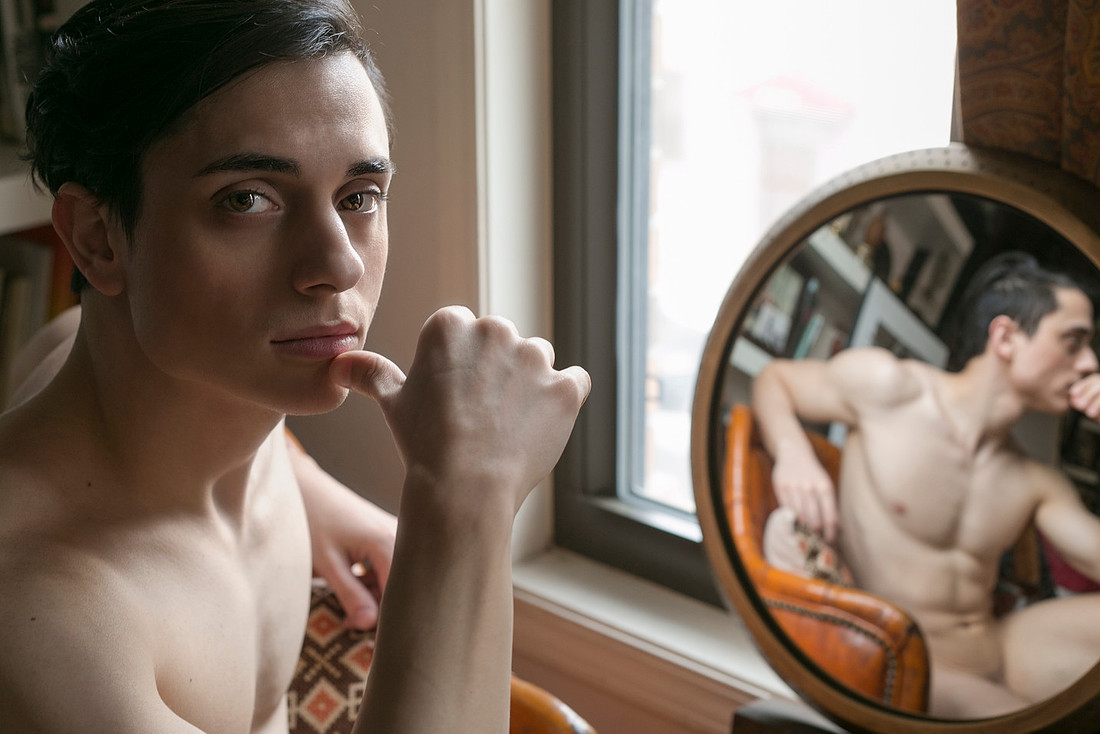
It Always Starts with a Conversation
One of the questions koitz asked most often is, "How do you convince strangers to let you photograph them?"
The answer is surprisingly simple.
He doesn't try to convince anyone.
Instead, he introduces himself. They talk. He listens.
Sometimes they discuss Fire Island. Other times they talk about photography, travel, music, or life in New York City. Those conversations create trust, and trust allows people to relax naturally.
Only then he asks if he may make a portrait.
Many of his favorite photographs have been made within minutes of meeting someone for the very first time.
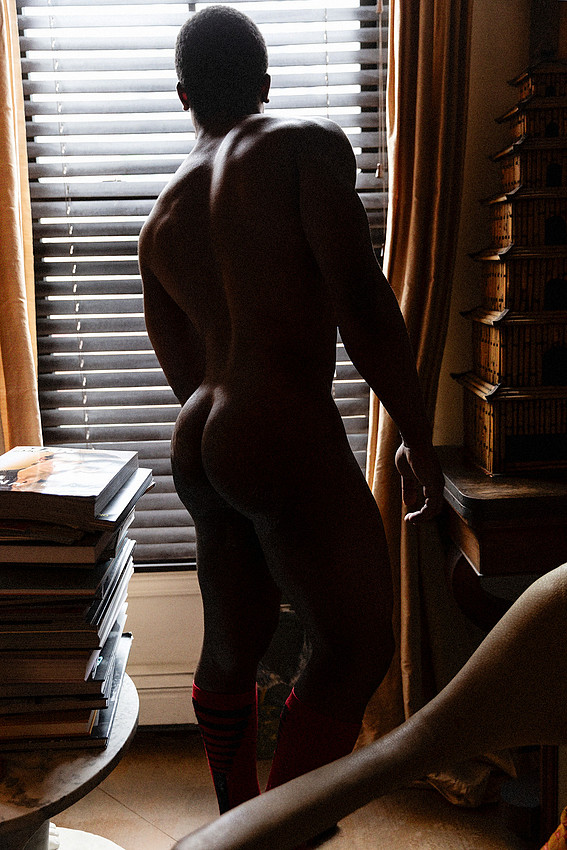
Authentic Portraits Are Never About Perfect Poses
As a gay photographer Fire Island koitz has learned that authenticity is far more compelling than perfection.
He rarely asks someone to smile or strike a particular pose. Instead, He encourages them to be themselves. A thoughtful glance toward the ocean, a quiet laugh, or a moment of reflection often reveals far more than a carefully directed portrait ever could.
The goal isn't to create a flawless image.
The goal is to create an honest one.
Fire Island Inspires Genuine Connection
Fire Island has always been more than a beautiful destination.
For generations, it has been a place where LGBTQ+ people have found acceptance, friendship, creativity, and the freedom to express themselves without judgment.
That atmosphere makes portrait photography feel different.
People often appear more relaxed, more confident, and more willing to share who they truly are. Those qualities can't be manufactured—they grow naturally from a community built on belonging.
Many of the portraits in my archive were made during simple conversations along the boardwalks of Fire Island Pines and Cherry Grove, where strangers often become friends.
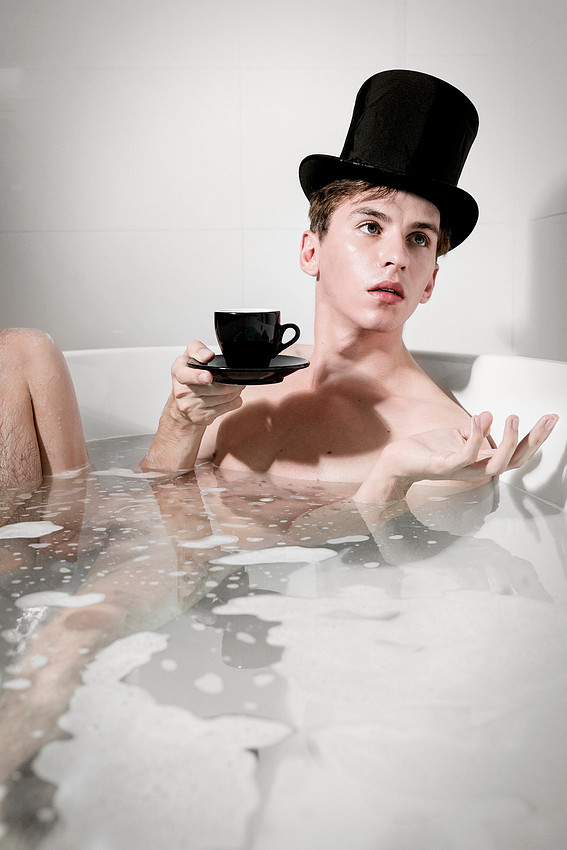
Every Portrait Preserves a Moment in Time
Portrait photography is about much more than appearance.
Every face reflects a lifetime of experiences, relationships, dreams, and memories. A single photograph may one day become an important historical record, preserving not only an individual but also the culture and community that shaped their life.
Throughout his career, koitz has photographed people who later became artists, performers, community leaders, and lifelong friends. Others Ihe never saw again.
Yet every portrait remains part of a growing visual archive documenting LGBTQ+ life and the people who continue to shape its history.
Why Documentary Portrait Photography Matters
We live in a world where millions of photographs are shared every day.
Most disappear almost as quickly as they're posted.
Documentary portrait photography is different.
It preserves real people, authentic emotions, and genuine human connection. Years from now, these photographs will tell future generations not only how people looked, but how they lived, celebrated, and built community.
That is why koitz continues making portraits.
Not simply to create beautiful photographs, but to preserve stories that deserve to be remembered.
More Than a Photograph
People often ask how strangers become portrait subjects.
The answer has never changed.
It begins with kindness.
A conversation becomes trust.
Trust becomes a portrait.
And that portrait becomes part of history.
As gay photographer in Fire Island koitz believes every stranger has a story worth telling. His role is simply to listen first, then create a photograph that honors the person standing in front of the lens.
Because the greatest portraits are never really about photography.
They're about people.
Gay Fire Island Photographer koitz: Documenting LGBTQ+ History One Photograph at a Time
When people search for a gay Fire Island photographer, they are often looking for more than beautiful images. They want someone who understands the community, its history, and the moments that make Fire Island one of the world's most important LGBTQ+ destinations.
For more than two decades, gay Fire Island photographer koitz has documented life in Fire Island Pines, Cherry Grove, and New York City through authentic documentary photography. His work preserves Pride celebrations, portraits, performances, nightlife, beach culture, and everyday moments that have shaped generations of LGBTQ+ history.
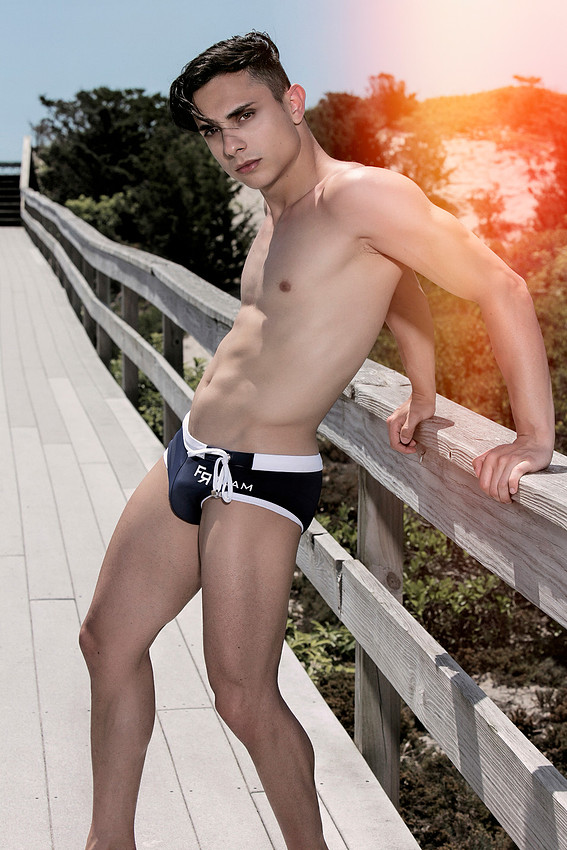
Why Documentary Photography Matters
Photography can preserve moments that might otherwise disappear. Every portrait, celebration, and quiet conversation becomes part of a living archive that future generations can experience.
Gay Fire Island photographer koitz believes every image should tell a story. Rather than creating staged scenes, he focuses on genuine moments that reflect the people, friendships, and traditions that define Fire Island.
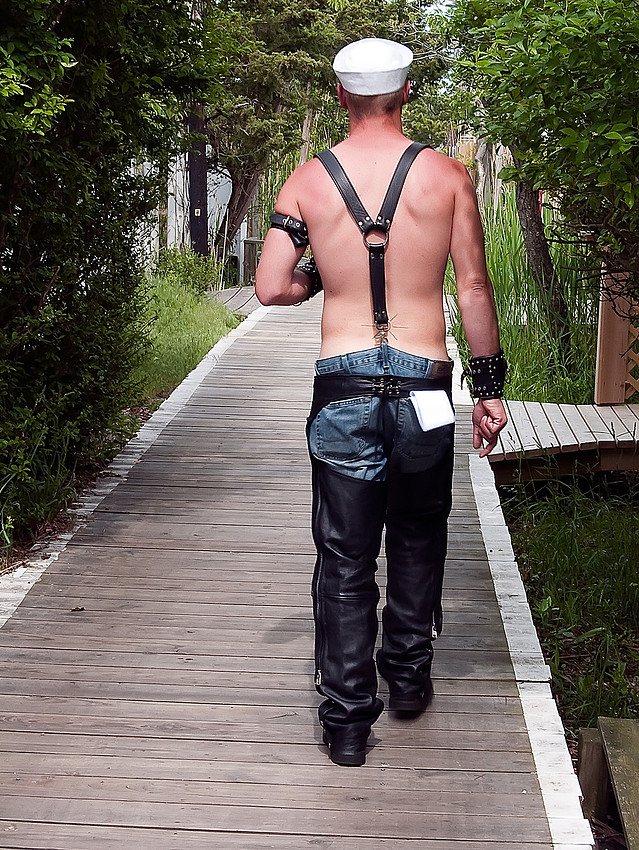
Fire Island Through an Insider's Lens
Fire Island is more than a summer destination. It is a place where LGBTQ+ people have found freedom, creativity, and community for generations.
From the boardwalks of Fire Island Pines to the historic boardwalks of Cherry Grove, every location has its own story. Photographing these places over many years has created an evolving visual record that documents not only changing landscapes but also the people who continue to shape them.
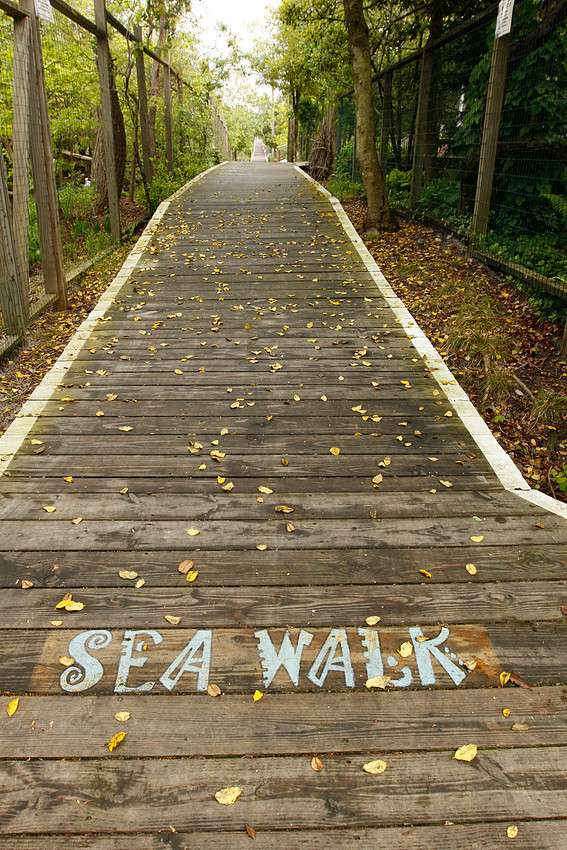
LGBTQ+ Events, Portraits, and Community
Throughout the years, gay Fire Island photographer koitz has photographed Pride celebrations, drag performances, nightlife, community gatherings, artists, performers, and everyday visitors. These photographs celebrate authenticity while preserving an important chapter of LGBTQ+ cultural history.
The strongest documentary photographs are often the simplest—a shared laugh, a walk along the boardwalk, a sunset gathering with friends, or a quiet portrait that captures confidence and belonging.
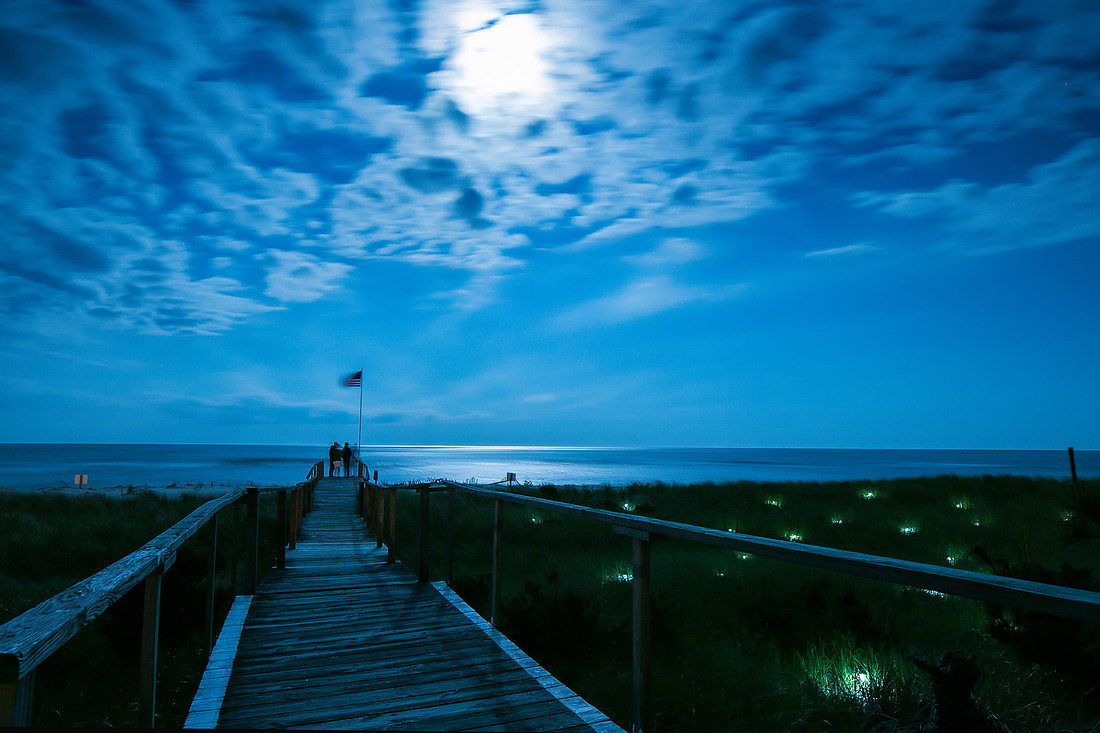
Preserving Fire Island's Legacy
Many legendary venues, traditions, and familiar faces have changed over the years. Documentary photography helps ensure these memories are not lost.
Each photograph becomes part of a growing archive that celebrates resilience, creativity, and the enduring spirit of Fire Island's LGBTQ+ community.
As gay Fire Island photographer koitz's mission is not simply to create beautiful photographs but to preserve the history, culture, and people that make Fire Island unlike anywhere else.
Discover the Archive
Whether you are interested in Fire Island history, LGBTQ+ documentary photography, fine art prints, portrait sessions, or cultural storytelling, the archive offers a unique perspective created from within the community.
Every photograph is more than an image—it is part of an ongoing story documenting one of the world's most remarkable LGBTQ+ destinations.
Gay Photographer koitz Captures Amber Martin's Bette Bathhouse and Beyond on Fire Island
As a gay Fire Island photographer koitz believes photography is about more than creating beautiful images—it's about preserving the stories, traditions, and communities that shape LGBTQ+ history.
Photographing Amber Martin's Bette Bathhouse and Beyond on Fire Island gave him the opportunity to document a modern tribute to one of the most iconic moments in queer culture: Bette Midler's legendary 1971 performances at New York City's Continental Baths.
Created by producer Daniel Nardicio, Bette Bathhouse and Beyond recreates the excitement, humor, and liberation of those groundbreaking performances. With Amber Martin's incredible vocals and magnetic stage presence, the production celebrates a time when queer spaces became places of artistic expression, community, and joy.
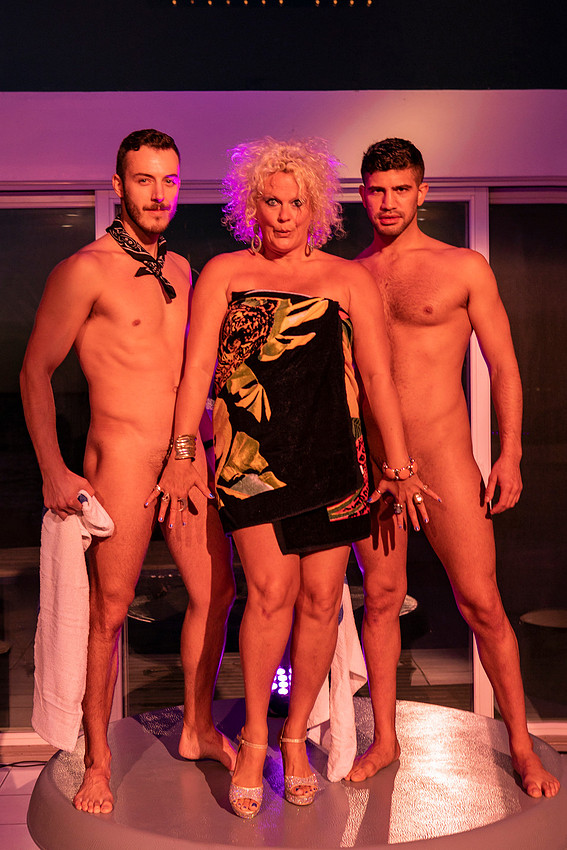
Why This Story Matters to Gay Photographer koitz
Gay Fire Island photographer koitz is passionate about documenting LGBTQ+ events that celebrate our history while creating new memories for future generations. Fire Island has long been a symbol of freedom, self-expression, and community, making it the perfect setting for a production that honors queer resilience and creativity.
Every performance tells a story, but it's often the moments between the songs—the laughter, the embraces, the audience's reactions—that reveal the heart of the experience. Those are the moments I strive to capture.
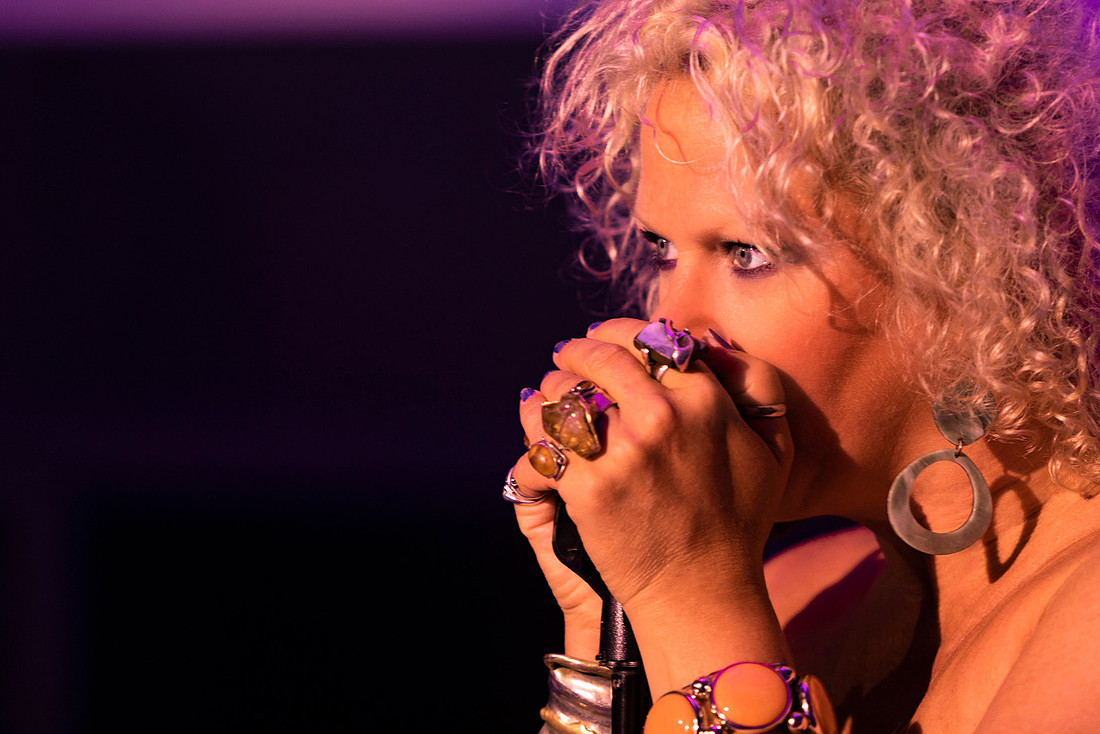
Documentary Photography That Preserves LGBTQ+ History
Documentary photography has the power to preserve moments that might otherwise disappear. Events like Bette Bathhouse and Beyond are more than entertainment—they're living reminders of the artists, activists, and communities who helped shape LGBTQ+ culture.
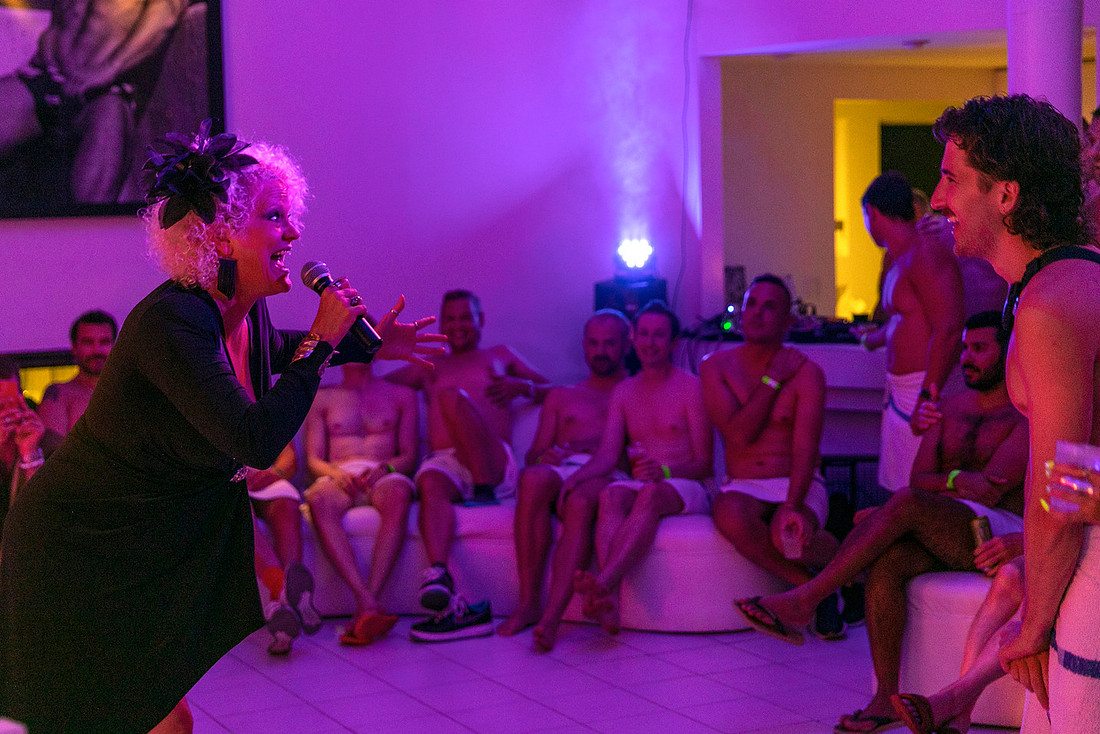
As gay Fire Island photographer koitz has a goal: to create photographs that go beyond the stage. I want viewers to feel the energy of the performance, the connection within the audience, and the significance of the history being celebrated.
Fire Island continues to be one of the most important places in queer culture, and documenting events like this is both a privilege and a responsibility. Every image becomes part of a visual archive that honors our past while celebrating the vibrant community that continues to thrive today.
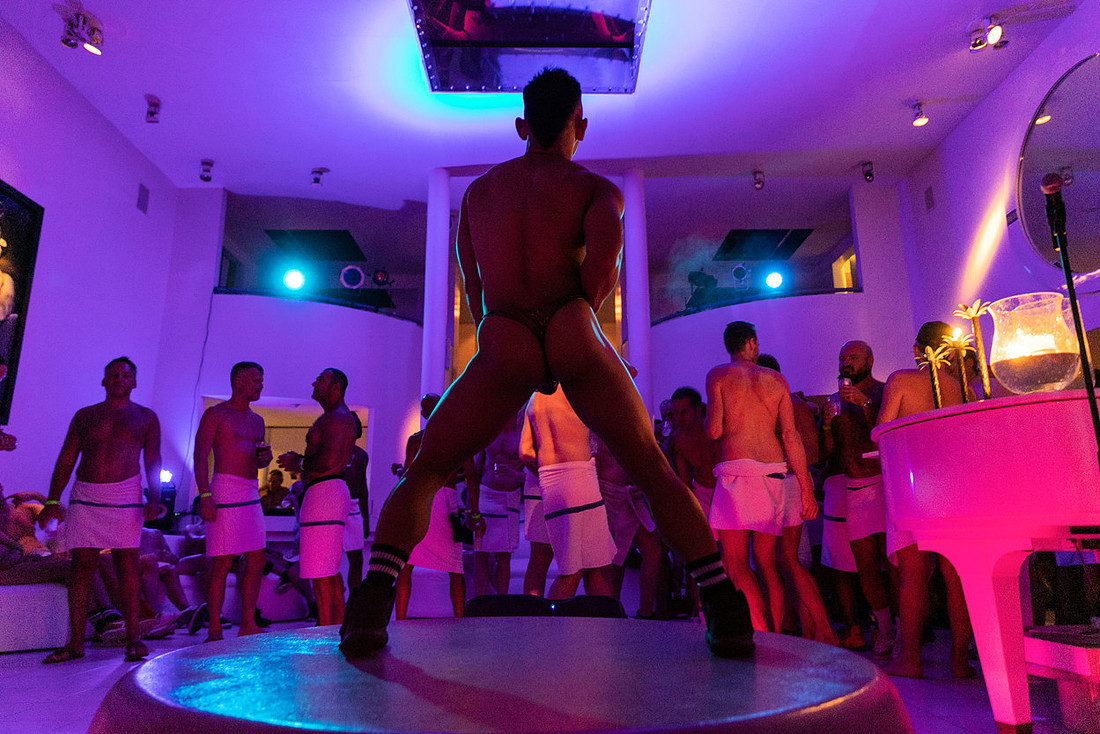
A heartfelt thank you to Amber Martin, to Daniel Nardicio—the man behind the magic—to his boys, the performers, and everyone who keeps these stories alive. Through photography, we ensure that these moments—and the history they represent—are never forgotten.
Photographing the DWorld Fire Island Underwear Party | koitz
Photographing the Legendary DWorld Fire Island Underwear Party
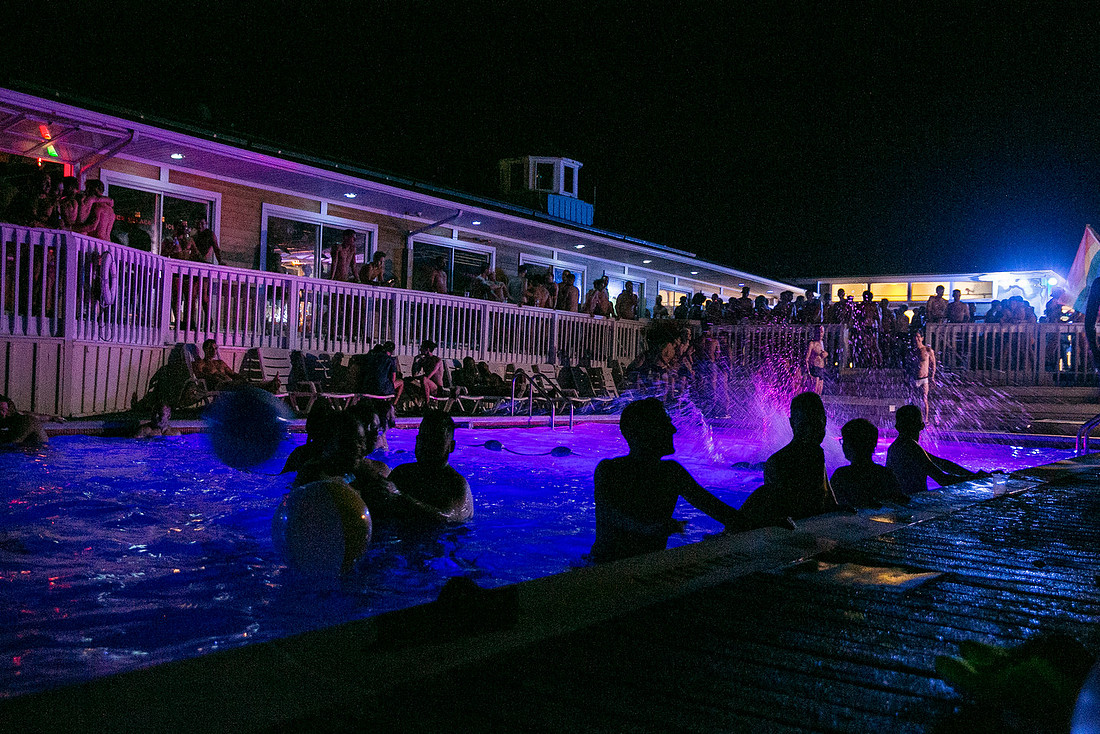
Every Friday night during the summer, one of Fire Island's most anticipated events comes alive inside the Ice Palace in Cherry Grove: producer and promoter Daniel Nardicio's DWorld Fire Island Underwear Party. For 25 years, this iconic celebration has brought together hundreds of people from around the world for an unforgettable night of music, dancing, and unapologetic self-expression.
As a Fire Island nightlife photographer, I've had the privilege of documenting the Underwear Party for more than two decades.
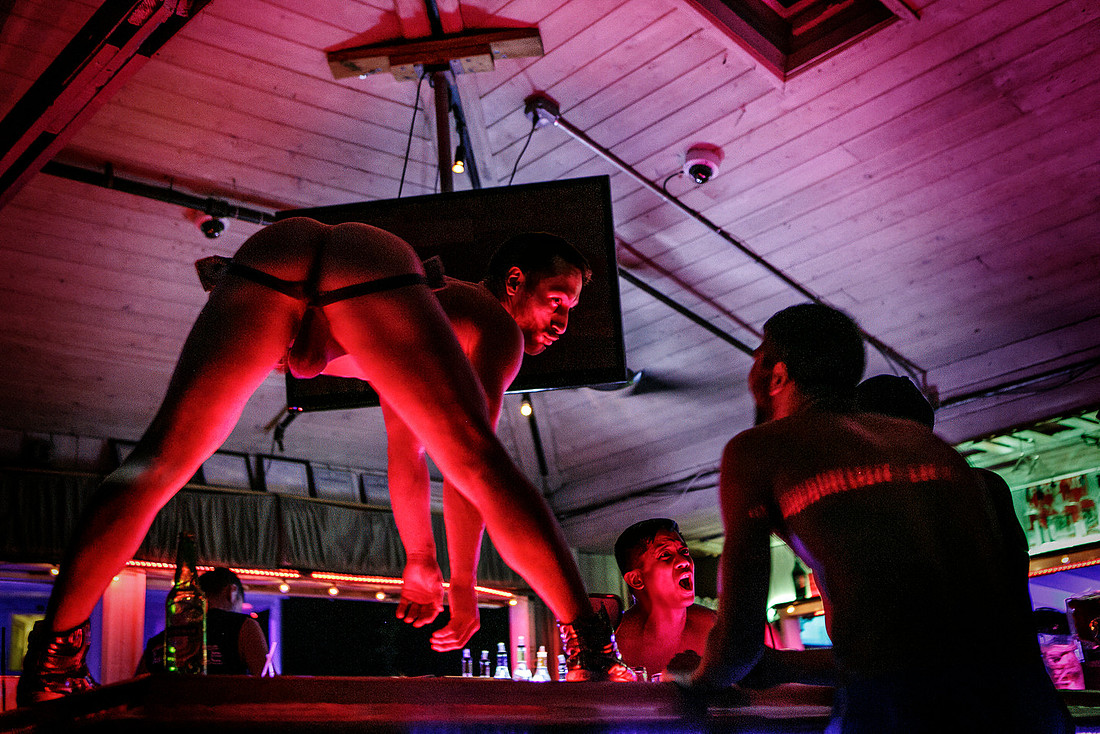
What keeps me returning isn't simply the spectacle—it's the sense of community. The party welcomes people of every age, body type, and background, creating an atmosphere where confidence, freedom, and individuality are celebrated.
The event began at the now-defunct Tides before moving to its longtime home at the Ice Palace, where it quickly became one of Fire Island's signature summer traditions. In 2022, its cultural significance reached an even wider audience when scenes inspired by the Underwear Party appeared in the Hulu film Fire Island.
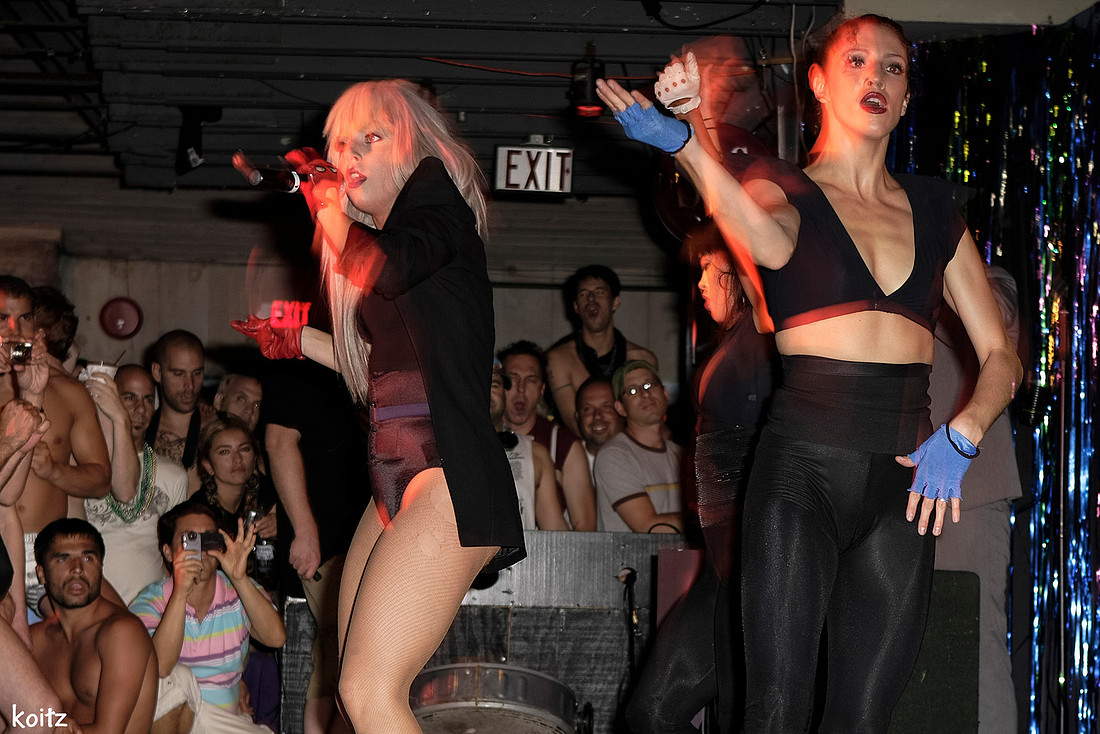
One unforgettable moment came in 2008 when Lady Gaga, still early in her career, performed at DWorld before becoming an international superstar. Opening the evening were the Dazzle Dancers, whose energetic performances—and memorable finale—captured the bold spirit that has long defined Fire Island nightlife.

Photographing an event like the DWorld Fire Island Underwear Party requires more than technical skill. A great LGBTQ+ event photographer understands the importance of trust, respect, and authenticity. The best photographs come from being part of the community, allowing genuine moments to unfold naturally rather than directing or interrupting them.
Over the years, my photographs have documented countless performers, DJs, drag artists, dancers, and guests who have helped make DWorld one of the most celebrated LGBTQ+ nightlife events in New York. Every image contributes to a growing visual archive of Fire Island's culture and history.
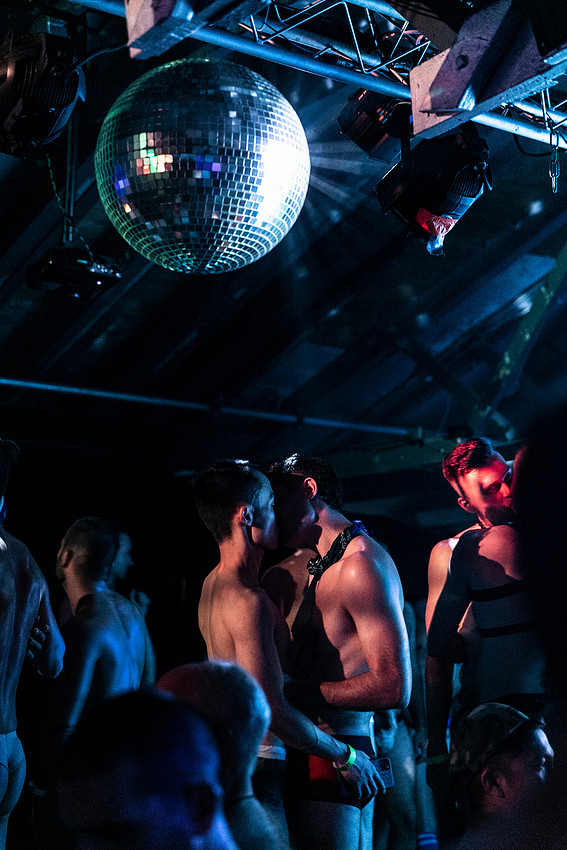
For me, the DWorld Fire Island Underwear Party is more than a weekly event. It represents decades of friendship, celebration, creativity, and visibility. Through documentary photography, these moments become part of a lasting record that preserves the unique spirit of Cherry Grove and Fire Island for future generations.
Whether you're searching for Fire Island nightlife photography, LGBTQ+ event photography, or the history of the DWorld Underwear Party, I hope these photographs offer a glimpse into one of the most vibrant traditions in New York's queer community.
Daniel Nardicio's Vision
Producer and promoter Daniel Nardicio has played an important role in shaping LGBTQ+ nightlife in both New York City and Fire Island. His events have consistently combined outstanding entertainment with an inclusive atmosphere that welcomes everyone.
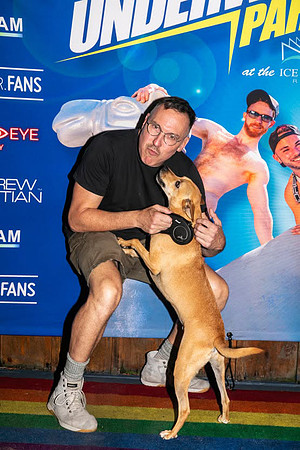
Under his direction, the Underwear Party has hosted internationally recognized DJs --including the legendary Johnny Dynell--, drag performers, dancers, musicians, and surprise guests. Every summer brings new performances while preserving the traditions that longtime attendees return to experience year after year.
One of the party's most memorable nights came in 2008, when Daniel booked a then little-known Lady Gaga to perform at the Ice Palace. Only weeks later, she became one of the biggest pop stars in the world. Opening the evening were the Dazzle Dancers, whose high-energy performances famously concluded with the dancers ending the show completely nude—a perfect reflection of Fire Island's uninhibited and playful spirit.
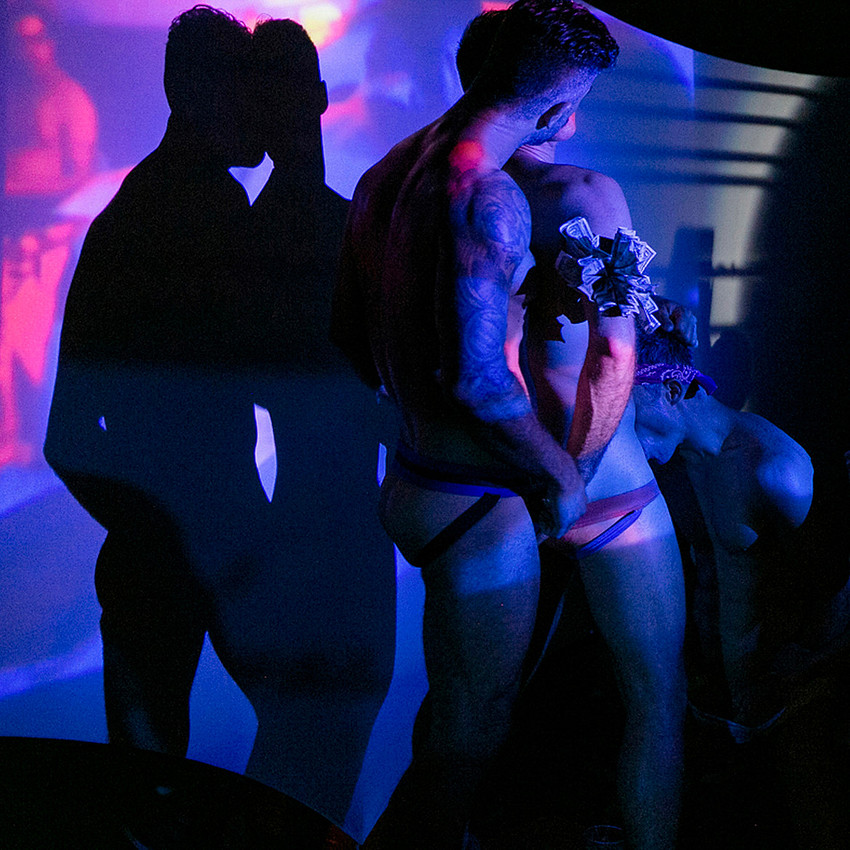
Hollywood Comes to Fire Island
The influence of the Underwear Party extends beyond Fire Island itself. In 2022, the Hulu film Fire Island recreated the atmosphere of the event, introducing its unique energy to audiences around the world.
Although the film tells a fictional story, its nightclub scenes capture the excitement, humor, friendships, and sense of belonging that have made Fire Island an enduring symbol of LGBTQ+ culture.
Photographing the Underwear Party
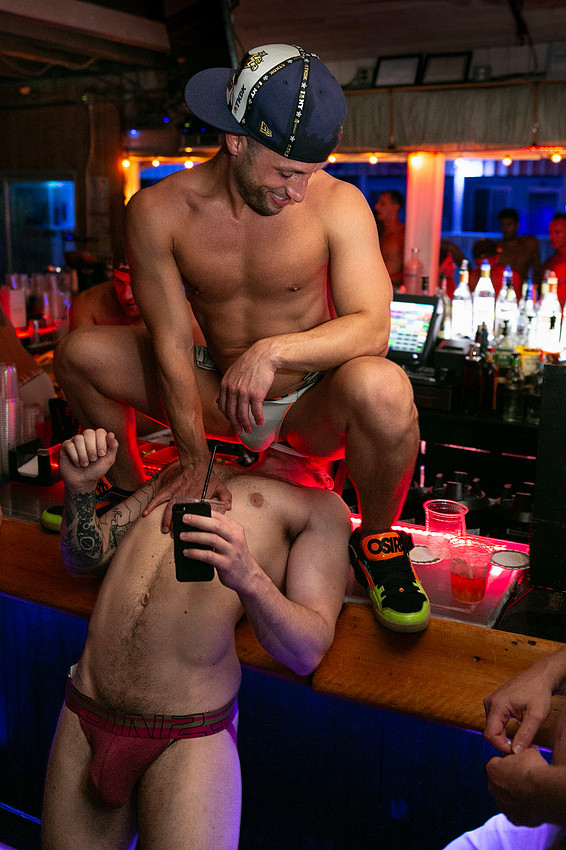
I've photographed the DWorld Underwear Party for many years, documenting its evolution through thousands of images. Every summer, the Underwear Party tells a different story. New faces arrive, old friends reunite, performers take the stage, and unforgettable moments unfold naturally throughout the night, not to mention the ever-changing fashion that defines each year.
Photographing an event like this requires much more than technical ability. Trust is essential. People are celebrating, expressing themselves, and often revealing a side of themselves they may not show anywhere else. My goal has always been to photograph these moments honestly, respectfully, and without interrupting the experience. Sometimes, choosing what not to photograph is just as important as deciding what to photograph.
Rather than directing people or creating staged scenes, I work as a documentary photographer, allowing the night to unfold naturally. The result is a collection of authentic photographs that preserve the atmosphere, emotion, and personality of one of Fire Island's most beloved traditions.
More Than a Party
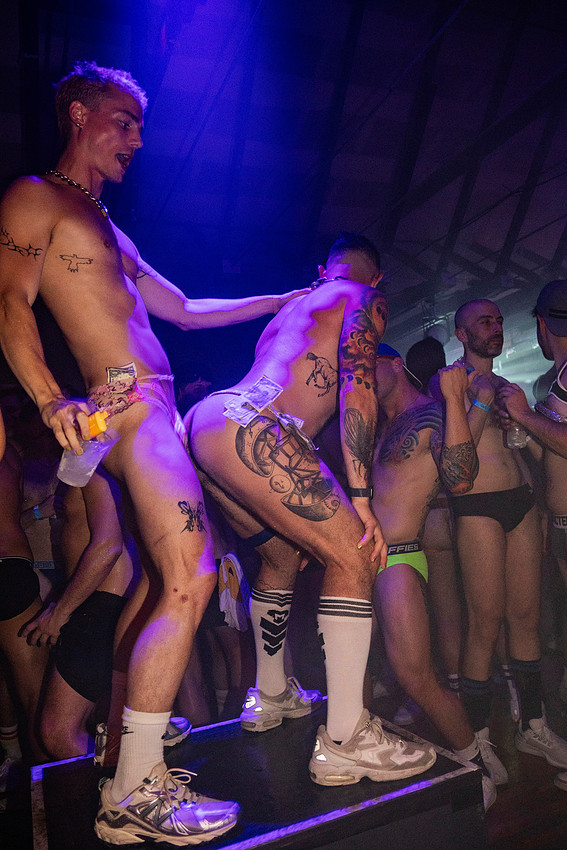
For many visitors, the Underwear Party is their first experience of Fire Island nightlife. For others, it is a weekly ritual that marks the rhythm of every summer season.
Friendships begin here. Relationships are formed. Visitors from across the United States and around the world return year after year, creating a community that extends well beyond a single evening.
These photographs are about far more than dancing in underwear. They document a culture built on acceptance, celebration, creativity, and resilience. They preserve the history of a community that continues to inspire new generations while honoring those who came before.
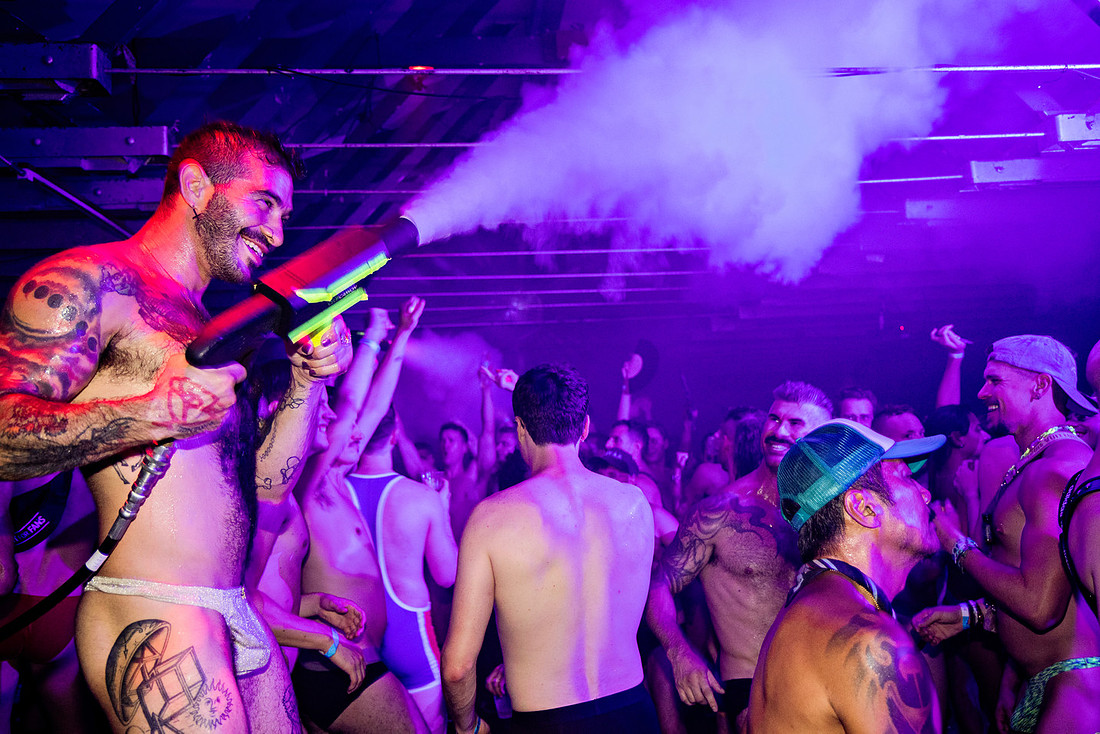
Preserving LGBTQ+ History Through Photography
Nightlife has always been an important part of LGBTQ+ history. Clubs, bars, and community events have served as places where people could meet openly, express themselves freely, and build lasting friendships.
As Fire Island continues to evolve, documentary photography becomes increasingly valuable. Every photograph captures a moment that can never be recreated—a performer taking the stage, friends laughing together, the excitement of the dance floor, or the quiet moments that happen between songs.
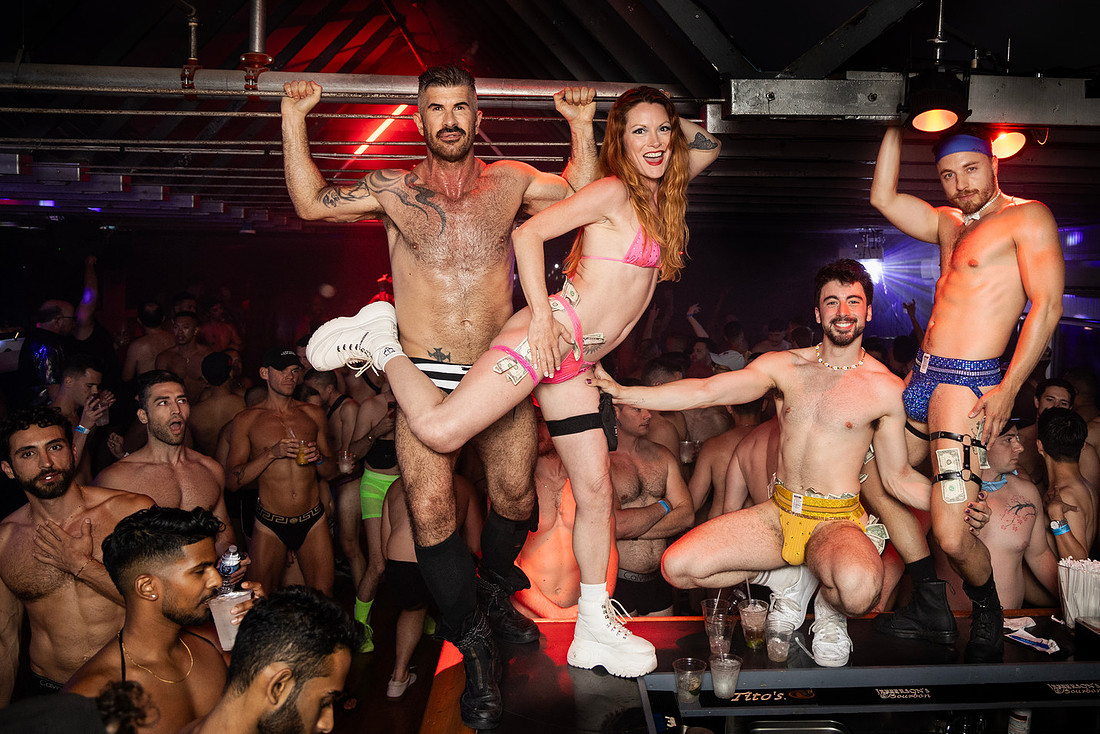
These images have become part of a growing visual archive documenting Fire Island, Cherry Grove, and New York's LGBTQ+ community. They preserve not only legendary events like the DWorld Underwear Party, but also the people whose lives and stories have made these places so meaningful.
For me, photographing DWorld FIUP has never simply been about nightlife. It has been about documenting history as it happens, one photograph at a time.
What Nudity on Fire Island Really Means | koitz Photography
What Nudity on Fire Island Really Means: Through the Lens of Documentary Photographer koitz
For twenty years, I have photographed life on Fire Island—its beaches, boardwalks, legendary parties, quiet mornings, and unforgettable sunsets. Along the way, one question comes up more than any other:
"Why is nudity such a natural part of Fire Island?"
The answer has very little to do with what people are wearing.
Instead, it has everything to do with freedom.
From Cherry Grove to Fire Island Pines, nudity has long reflected a culture built on acceptance, authenticity, and self-expression. For generations of LGBTQ+ visitors, Fire Island became one of the few places where they could truly be themselves, free from the expectations and prejudices of the outside world.
As a documentary photographer, I've never photographed nudity for shock value. I photograph it because it is part of Fire Island's history.
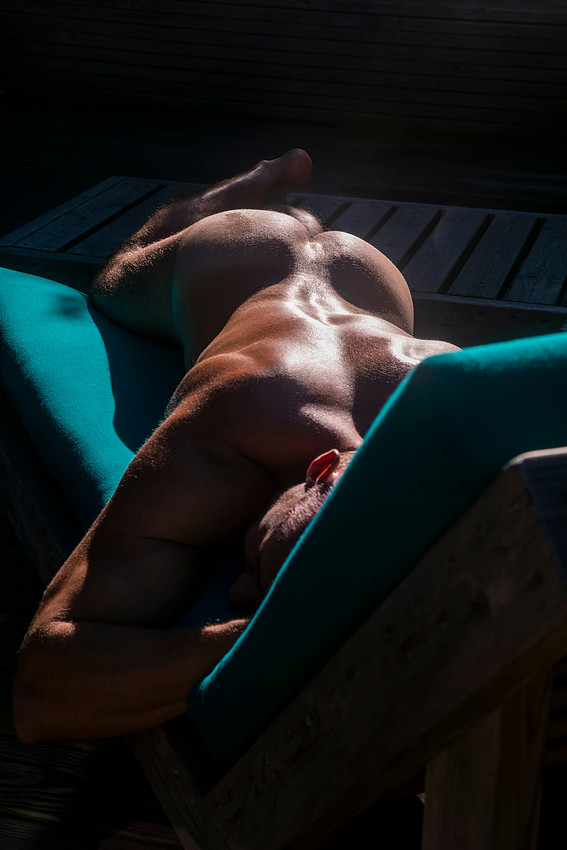
More Than a Beach Destination
Fire Island has never been simply a summer escape.
For decades, it has been a cultural landmark where artists, writers, performers, activists, and members of the LGBTQ+ community found belonging. Long before marriage equality or widespread social acceptance, the island offered something many people couldn't find elsewhere: the freedom to live openly.
That freedom shaped every aspect of life on the island, including the relaxed attitude toward the human body.
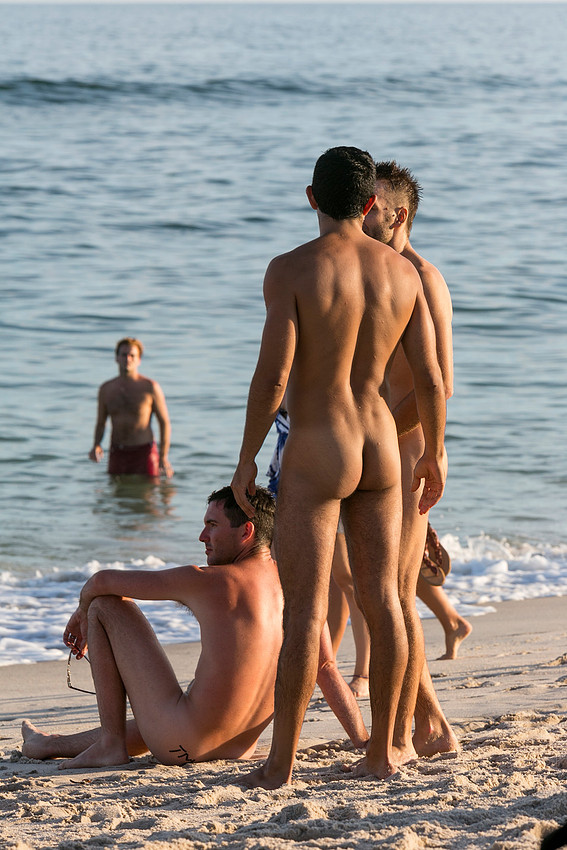
The Human Body Without Judgment
One of the most remarkable things about Fire Island is how quickly the body stops being the focus.
People arrive expecting nudity to be controversial. Instead, they discover that after a few hours, nobody pays much attention.
The beaches become places for conversation, laughter, reading, swimming, and reconnecting with friends. Every body type is represented, and that diversity is precisely what makes the atmosphere so welcoming.
Fire Island reminds us that confidence isn't about perfection—it's about authenticity.
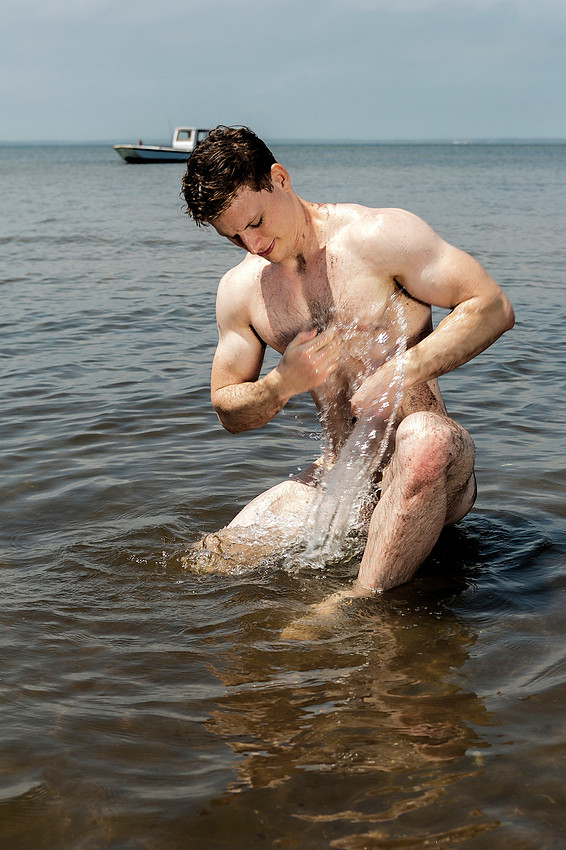
Photographing Reality
Since the early 2000s, I've documented Fire Island as it truly exists.
Some photographs include people dancing until sunrise. Others capture empty boardwalks after a summer storm, quiet afternoons on the beach, or friends embracing during Pride weekend.
Occasionally, they include nudity.
Those images aren't designed to provoke. They're honest records of a community that has long embraced openness and mutual respect.
Every photograph adds another chapter to a visual archive preserving the history of Fire Island and New York's LGBTQ+ community.
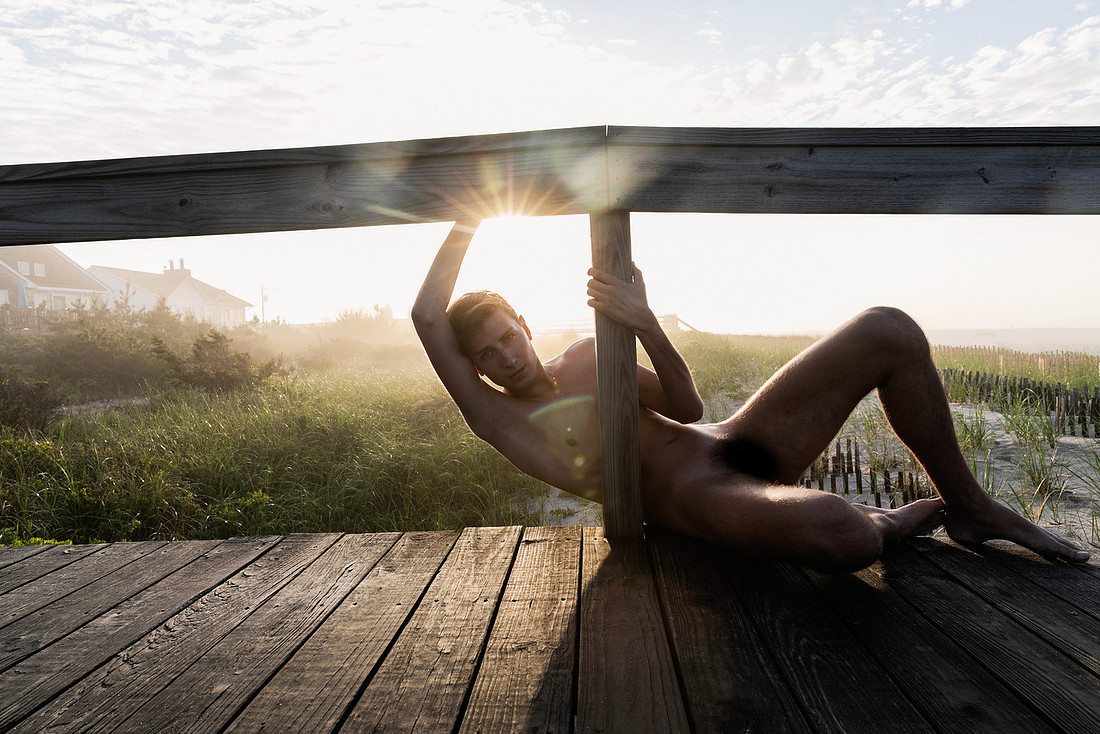
A Living Archive
Many of the places that defined Fire Island have changed over the years.
Nightclubs have closed. Businesses have disappeared. Familiar faces are remembered through photographs.
That's why documentary photography matters.
Every image preserves not only people but also traditions, architecture, friendships, celebrations, and everyday moments that future generations may never experience firsthand.
My goal has always been to create more than beautiful photographs.
I want to preserve the history of a remarkable community.
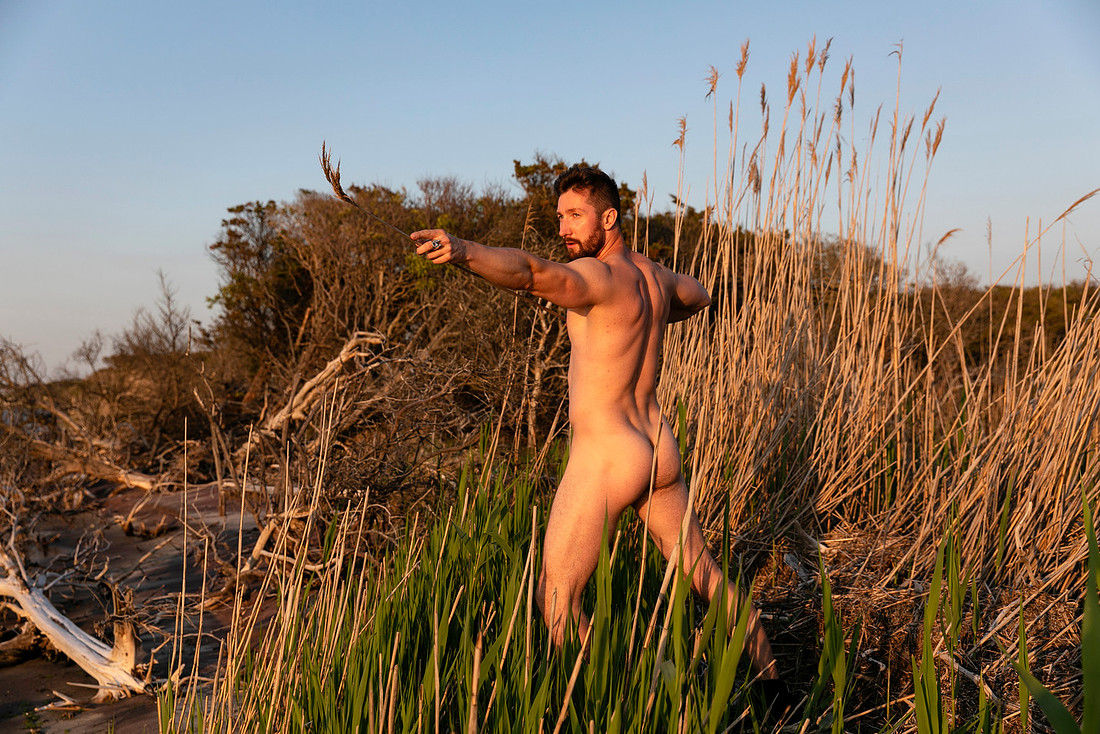
Why These Photographs Matter Today
At a time when millions of images are uploaded every day, documentary photography has become more valuable than ever.
Unlike snapshots designed for social media, documentary photographs preserve context. They tell stories. They become historical evidence.
For more than twenty-five years, I've been fortunate to document Fire Island from within its community, creating a visual record that reflects not only its famous nightlife and beaches but also its humanity.
The story of nudity on Fire Island isn't about nudity at all.
It's about belonging.
It's about acceptance.
It's about finding a place where people can finally feel comfortable in their own skin.
And that story deserves to be preserved.
Once Upon a Pines Party 2011 | Fire Island Pines Costume Beach Party
Once Upon a Pines Party: Inside Fire Island's Iconic LGBTQ+ Beach Celebration
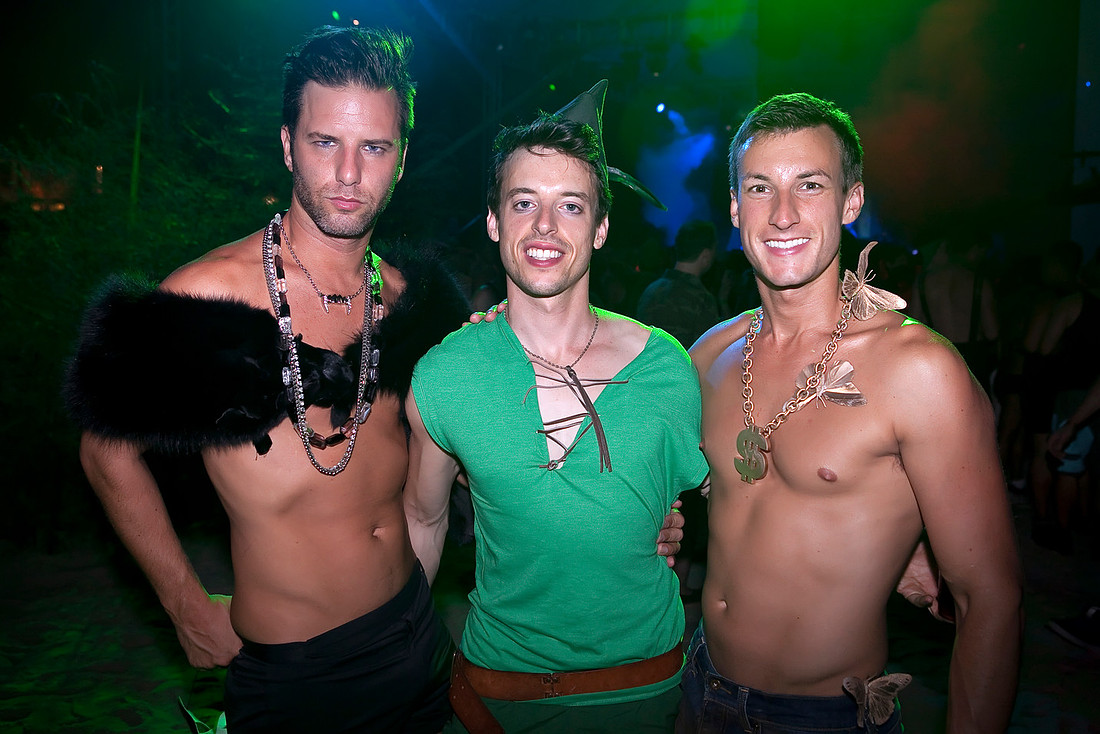
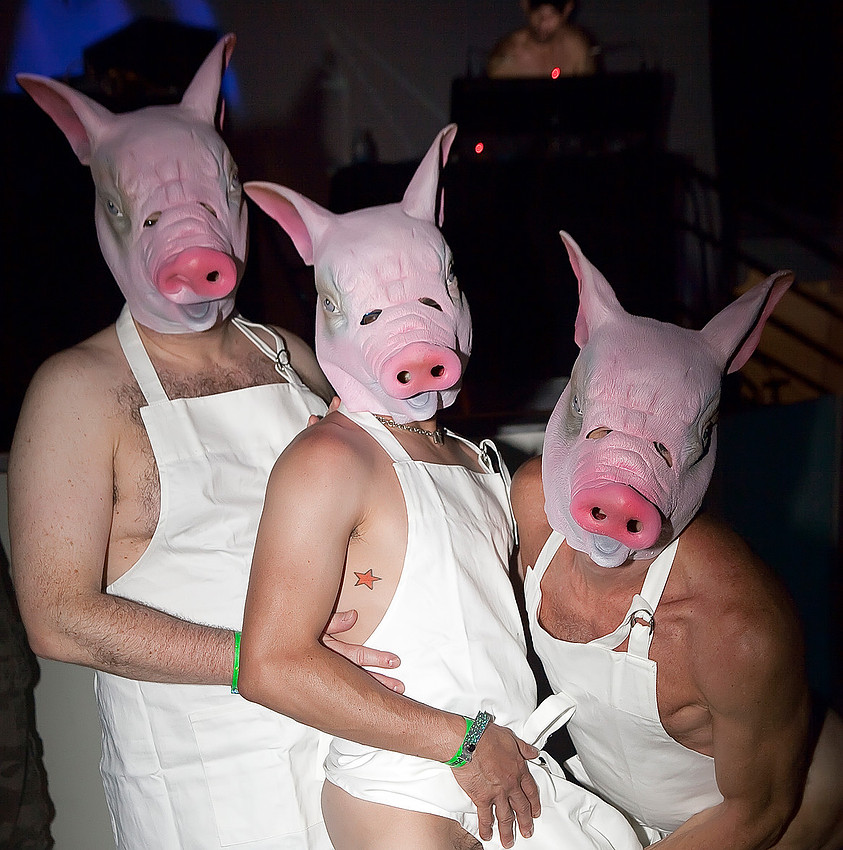
Photographed by acclaimed queer photographer koitz, this image captures the spirit of the 2011 Pines Party, themed "Once Upon a Pines Party." Three revelers pose in imaginative fairy-tale-inspired costumes, reflecting the creativity, freedom, and community that have defined one of Fire Island's most celebrated LGBTQ+ events for decades.
Every summer, thousands travel to Fire Island Pines for what has become one of the world's most famous LGBTQ+ beach parties. Known for spectacular costume themes, internationally renowned DJs, live performances, and sunrise celebrations on the sand, the Pines Party is far more than a weekend of music—it is a tradition that celebrates community while giving back.
More Than a Beach Party
Since its founding, the Pines Party has combined entertainment with philanthropy. Now in its 27th year, the event has raised more than $4.8 million for organizations that support the LGBTQ+ community and preserve Fire Island Pines.
Beneficiaries include:
- Stonewall Community Foundation, one of the nation's leading LGBTQ+ public foundations.
- The Pines Foundation, which supports the Fire Island Pines community.
- The Fire Island Pines Seashore Defense Fund, established by the Fire Island Pines Property Owners Association (FIPPOA) to help protect the community during emergencies.
This unique combination of celebration and charitable giving has made the Pines Party one of the most important fundraising events in LGBTQ+ culture.
The Magic of "Once Upon a Pines Party"
The 2011 edition embraced a whimsical fairy-tale theme that encouraged attendees to transform themselves into storybook-inspired characters. Creative costumes, theatrical accessories, and imaginative styling turned the beachfront into a fantasy world unlike any other.
Koitz's photograph perfectly captures that atmosphere, preserving a moment when fashion, performance, and community came together beneath the lights of Fire Island Pines.
The 2026 Pines Party
This year's Pines Party returns July 31 through August 2, bringing another unforgettable weekend of music, performances, and fundraising to Fire Island Pines. The legendary Beach Party remains the centerpiece of the celebration, with additional events taking place throughout the community.
For many attendees, the Pines Party is more than an annual tradition—it's a celebration of LGBTQ+ resilience, friendship, creativity, and generosity that continues to inspire new generations.
Whether remembered through photographs like this one or experienced firsthand on the beach, the Pines Party remains one of the defining events in LGBTQ+ nightlife and Fire Island history.
Photo: © koitz – 2011 Pines Party, "Once Upon a Pines Party."
Cherry Grove Through the Lens of koitz
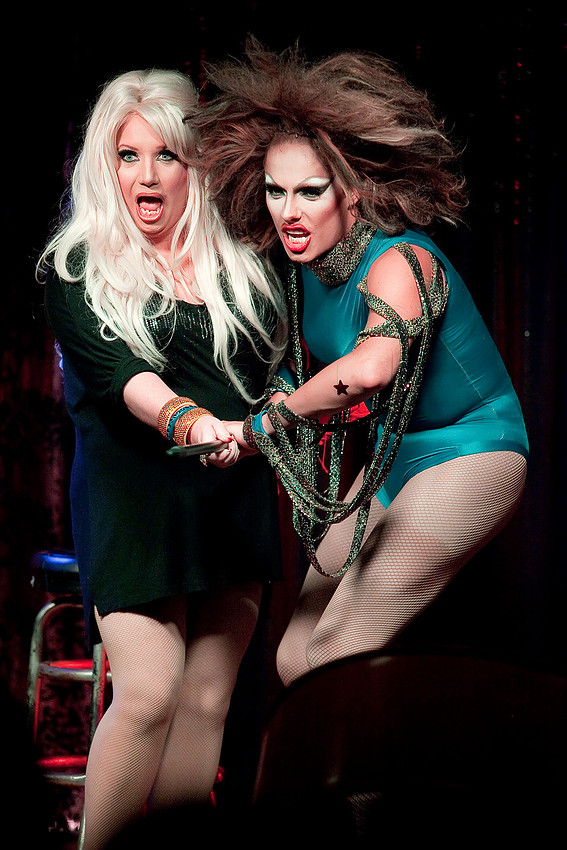
Cherry Grove Through the Lens of koitz is a visual chronicle of one of America's most historic LGBTQ+ communities. Over two decades, Basque-American photographer koitz has documented life in Cherry Grove and neighboring Fire Island Pines in Fire Island, capturing everything from intimate portraits and beach life to iconic community traditions and nightlife.
His work is notable for:
- Celebrating queer joy and freedom, portraying Cherry Grove as a place where LGBTQ+ people can express themselves openly.
- Documenting community traditions, especially the famous Invasion of the Pines, drag performances, parties, and seasonal gatherings.
- Blending documentary and fine-art photography, using natural light, vibrant color, and candid moments to preserve both the people and the spirit of Fire Island.
- Creating a historical archive, with many of his photographs becoming part of the Cherry Grove Archives Collection, helping preserve the cultural history of this pioneering LGBTQ+ haven.
A major milestone in his work was the 2020 publication of koitz Gay Fire Island, a photography book covering 14 years of queer life in Cherry Grove and Fire Island Pines. The book was recognized by curator Elizabeth Avedon as one of the notable photography books of 2020.
The Cherry Grove Archives has also featured "koitz Art Walk", an outdoor exhibition combining large-format photographs with audio stories from residents and the photographer himself, offering visitors both visual and oral histories of the community.
Overall, koitz's photographs serve not only as striking works of art but also as an important record of LGBTQ+ culture, preserving moments of celebration, resilience, intimacy, and belonging in one of the world's most iconic queer destinations.
Queer Nightlife Photography New York | LGBTQ+ Documentary Photography by koitz
Queer Nightlife Photography in New York: Documenting the City's Most Vibrant LGBTQ+ Communities
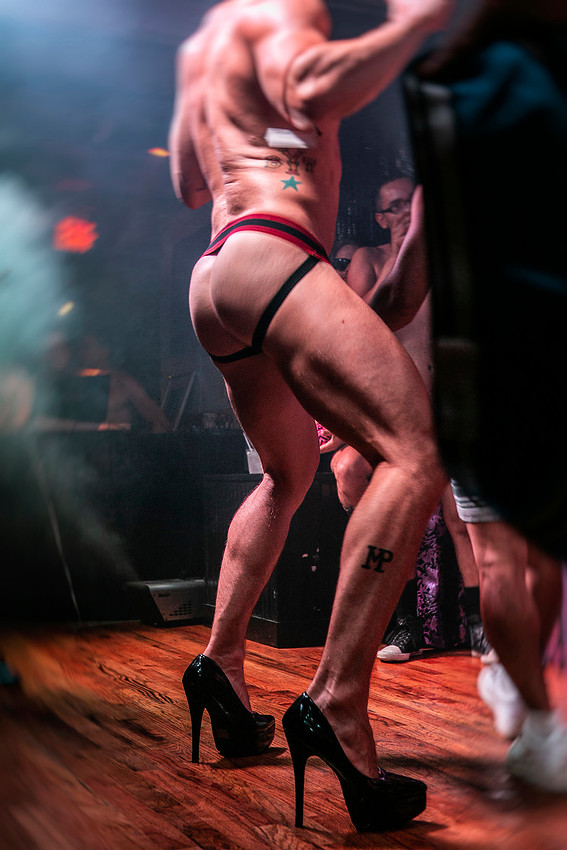
New York City has long been one of the world's great centers of LGBTQ+ culture, where nightlife, art, performance, and personal expression intersect. From historic neighborhoods and legendary clubs to Pride celebrations, drag performances, Fire Island gatherings, and fine art nude photography, the city has inspired generations of artists and photographers. More than documenting events, queer nightlife photography preserves the people, places, and moments that define a community's history, identity, creativity, and freedom. For more than two decades, koitz has captured these authentic experiences through documentary and fine art photography, creating a lasting visual archive of New York's vibrant LGBTQ+ communities.
From historic neighborhoods and legendary nightlife venues to Pride celebrations, drag performances, and the iconic communities of Fire Island, the city has inspired generations of artists, activists, performers, and photographers. Queer nightlife photography in New York is about far more than documenting parties—it preserves the people, places, and moments that define a community's history and identity.
For more than two decades, koitz has photographed New York's queer nightlife through a blend of documentary and fine art photography. His work captures authentic moments from Manhattan, Brooklyn, Fire Island Pines, and Cherry Grove, creating an evolving visual archive of one of the world's most influential LGBTQ+ communities.
Why Queer Nightlife Photography Matters
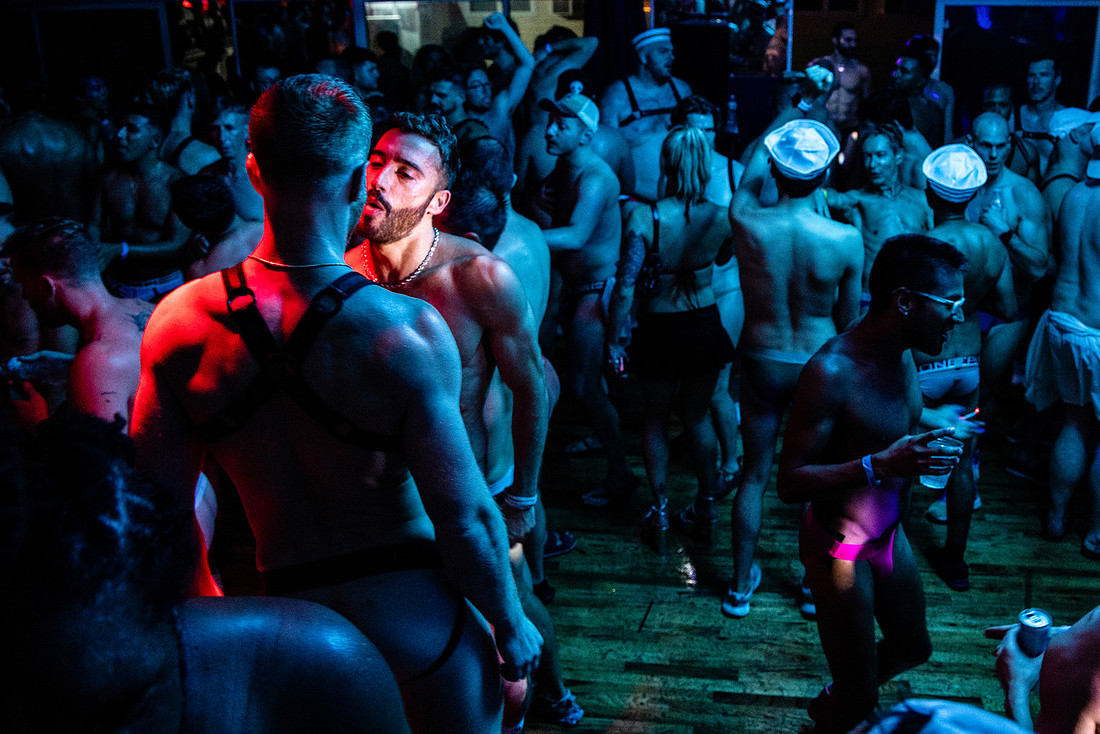
For much of LGBTQ+ history, nightlife offered something that was difficult to find elsewhere: a place to gather openly, celebrate identity, and build community. Clubs, bars, cabarets, beaches, and cultural events became spaces where friendships were formed, creativity flourished, and movements for equality found their voice.
Photographing these environments means documenting much more than entertainment. Every image preserves a piece of living history—whether it is a legendary drag performance, a spontaneous dance floor celebration, a quiet conversation at sunset, or the excitement of a Pride weekend.
Documentary photography plays an essential role in preserving these stories for future generations, especially as venues close, neighborhoods evolve, and communities continue to change.
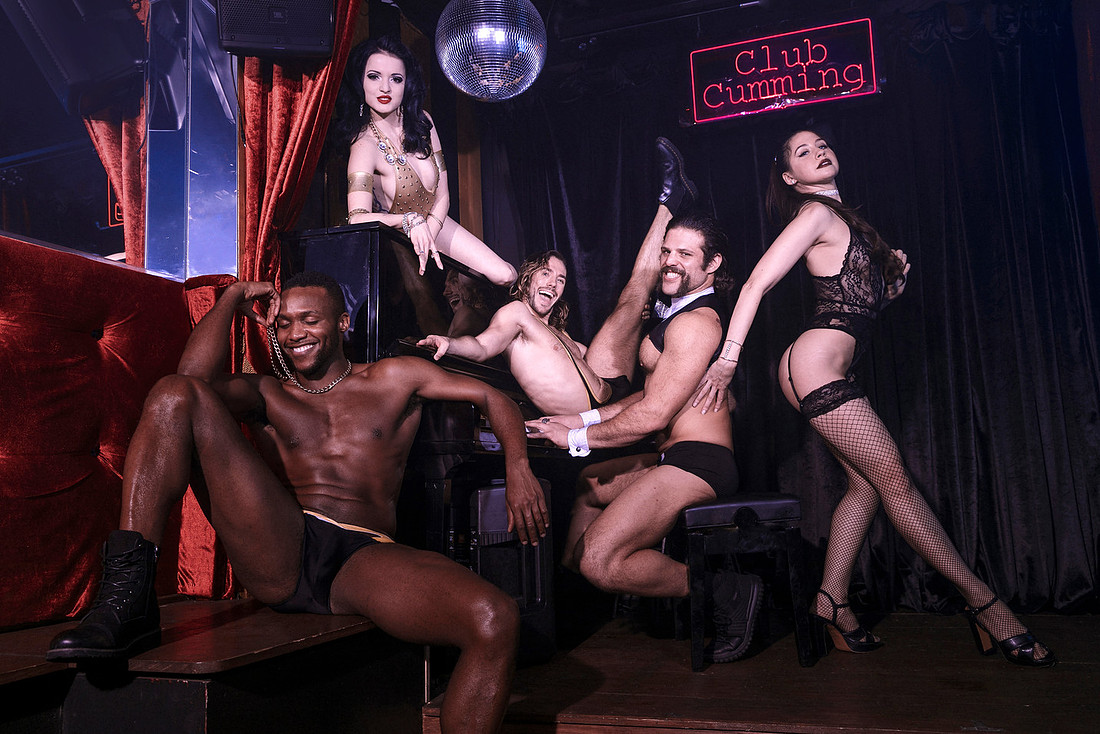
New York City After Dark
Few cities transform after sunset quite like New York.
The glow of Times Square, the energy of downtown Manhattan, Brooklyn's creative neighborhoods, rooftop gatherings, underground clubs, and waterfront celebrations create an atmosphere unlike anywhere else in the world. For photographers, these environments offer dramatic light, emotion, movement, and genuine human connection.
Rather than staging scenes, koitz approaches nightlife photography as visual storytelling. His photographs focus on authentic interactions, capturing the atmosphere of each event while respecting the people who make these spaces so meaningful.
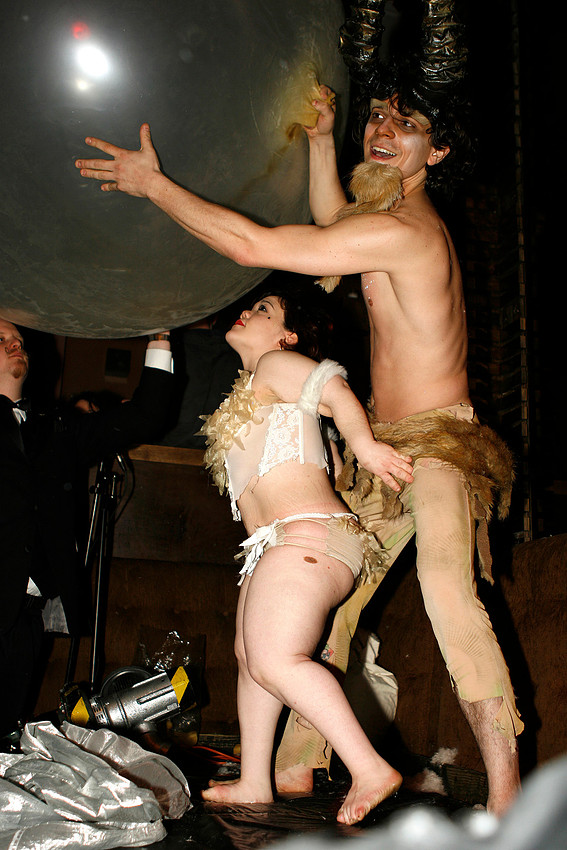
Fire Island: A Cultural Landmark
No discussion of queer nightlife photography in New York would be complete without Fire Island.
For decades, Cherry Grove and Fire Island Pines have served as internationally recognized destinations where LGBTQ+ people could celebrate freedom, creativity, and community. These beach communities have welcomed artists, performers, writers, and visitors from around the world, becoming symbols of resilience and belonging.
koitz has documented Fire Island for more than twenty years, photographing its beaches, architecture, legendary events, and everyday life. From the annual Invasion of the Pines to sunset gatherings along the boardwalks, his images preserve traditions that continue to shape queer culture today.
Photographing Drag, Pride, and Community
Queer nightlife photography encompasses many different forms of expression.
Some evenings revolve around spectacular drag performances and live entertainment. Others celebrate Pride, community fundraisers, beach parties, cultural festivals, or intimate portrait sessions between friends.
Every event contributes to a larger story about identity, creativity, and belonging.
koitz's documentary approach allows these moments to unfold naturally, creating photographs that feel honest, timeless, and emotionally connected to the communities they represent.
Documentary Photography Meets Fine Art
The strongest documentary photographs often become works of fine art.
By combining careful composition with authentic storytelling, koitz creates images that are both historically significant and visually compelling. His work has been collected by photography enthusiasts, LGBTQ+ community members, interior designers, and collectors seeking artwork with genuine cultural value.
Each photograph reflects a moment that cannot be recreated—a celebration, a performance, a friendship, or a landscape that continues to evolve with time.
Preserving LGBTQ+ History Through Photography
Photography has become one of the most powerful ways to preserve LGBTQ+ history.
Many of the venues, performers, and community spaces that defined previous generations exist today only through photographs. As New York continues to change, visual documentation becomes increasingly important.
This growing archive represents more than individual events. It tells the ongoing story of people who have shaped New York's artistic, cultural, and social landscape through visibility, resilience, and creativity.
Explore the Collection
The Nightlife by koitz collection celebrates more than two decades of queer nightlife photography in New York City and Fire Island. From documentary images of Pride celebrations and drag performances to quiet beach sunsets and vibrant nightlife, the collection offers a unique perspective on LGBTQ+ life captured from within the community.
If you are interested in collecting fine art photography, licensing editorial images, or commissioning documentary photography for cultural organizations, events, publications, or hospitality projects, we invite you to explore the gallery and discover the stories behind each photograph.
The Pines Party at Fire Island: Photographs by koitz
The Pines Party on Fire Island: A Celebration of Pride, Creativity, and Community
Featuring Photographs by koitz
For almost three decades, the Pines Party has been one of the most iconic LGBTQ+ events in the United States. Held each summer on the pristine beaches of Fire Island Pines, New York, the celebration combines music, spectacular productions, imaginative costumes, and a powerful sense of community, attracting visitors from around the world.
Founded in 1999 as a fundraiser for the Stonewall Community Foundation, the Pines Party is much more than an all-night dance event. It represents a tradition of inclusion, artistic expression, and philanthropy, raising millions of dollars to support LGBTQ+ organizations and initiatives.
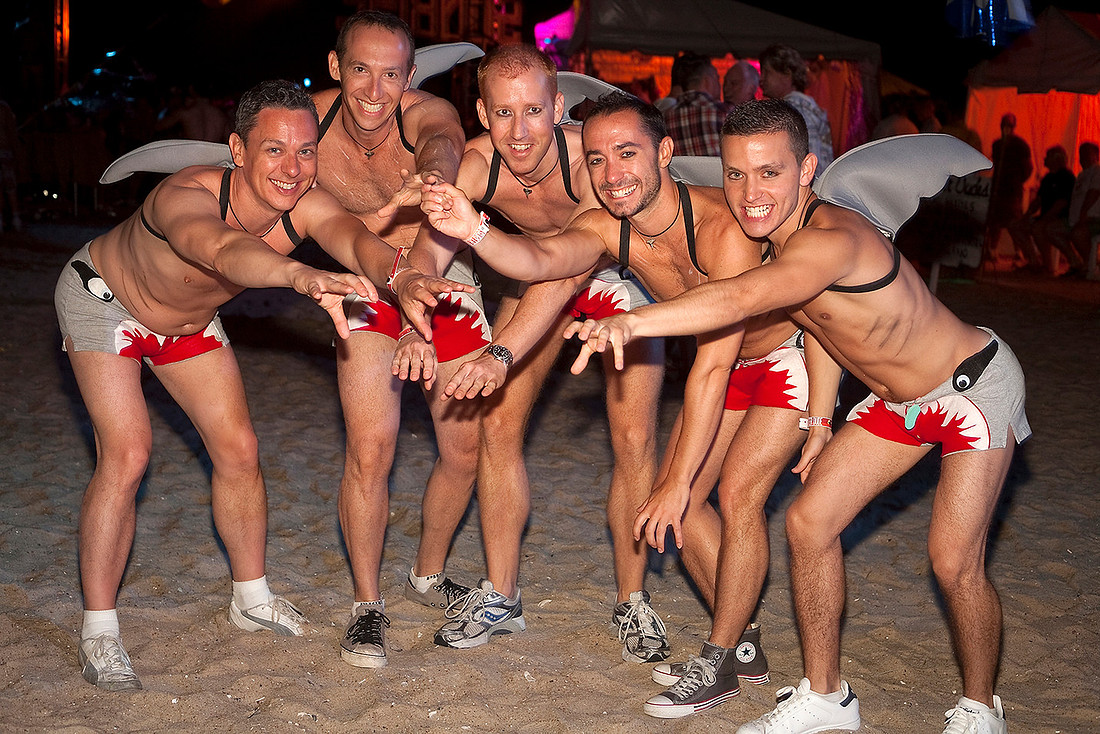
A Celebration of Creativity
One of the defining features of the Pines Party is the creativity of its attendees. Every year, guests arrive in elaborate costumes inspired by fairy tales, mythology, pop culture, marine life, fantasy, and summer themes. From playful shark outfits and surfers to Robin Hood-inspired ensembles and the Three Little Pigs, the event showcases an extraordinary display of imagination and individuality.
As night falls, Fire Island's beachfront transforms into an open-air dance floor where internationally renowned DJs, immersive lighting, and artistic performances create one of the most distinctive party experiences in the world.
Fire Island's LGBTQ+ Legacy
Fire Island Pines has long been regarded as one of America's most important LGBTQ+ destinations. Since the mid-20th century, it has offered a welcoming space where generations of gay men, lesbians, bisexual, transgender, and queer people have gathered to celebrate identity, friendship, and freedom.
The Pines Party has become a symbol of that legacy, blending celebration with community support through its charitable mission.
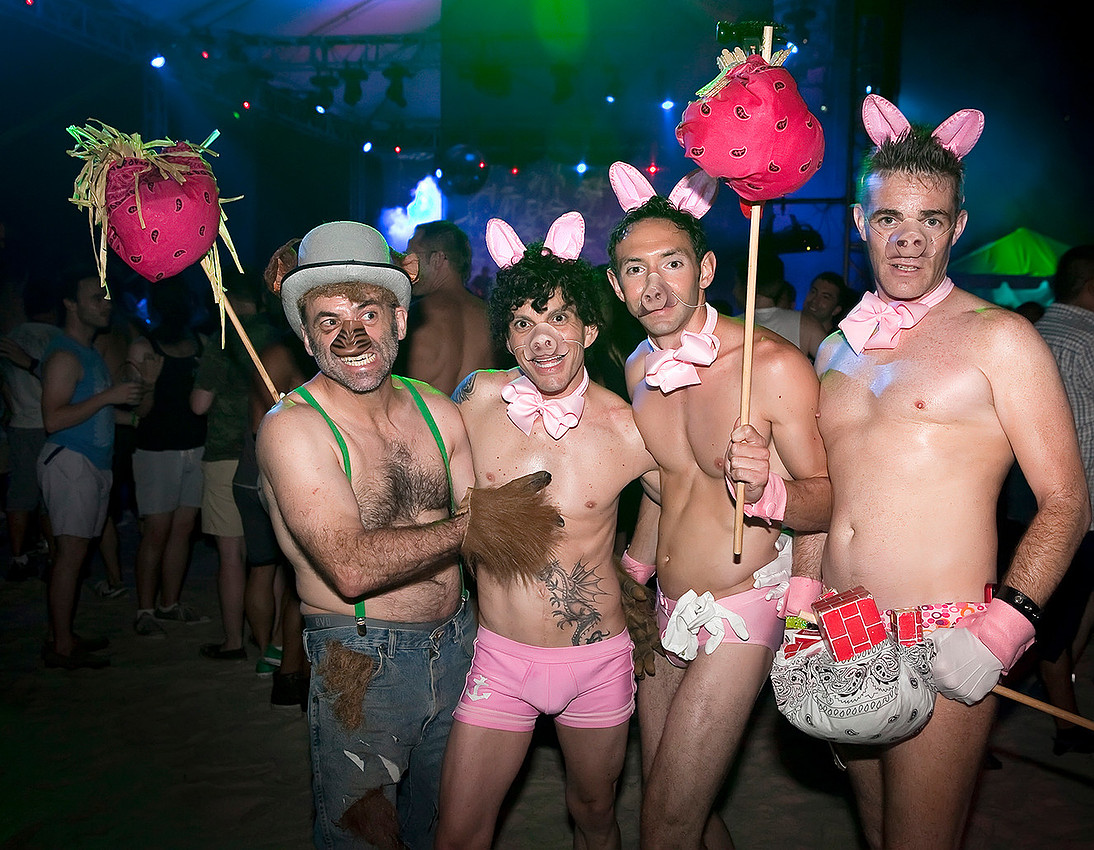
koitz's Photographic Record
The photographs in this gallery, captured by koitz, document the vibrant spirit of the Pines Party. Rather than focusing solely on the spectacle, koitz's images highlight the personalities, creativity, and joy of the participants.
From groups dressed as sharks on the beach to playful fairy-tale characters, colorful dancers, and surfers arriving beneath the iconic Pines Party banner, the photographs offer an authentic glimpse into one of Fire Island's most memorable celebrations. His work preserves not only the elaborate costumes and festive atmosphere but also the sense of camaraderie that has made the event a landmark of LGBTQ+ culture.
Today, these photographs serve as both artistic documentation and historical testimony to an event that continues to define Fire Island's summer season.
How to Explore the koitz Fire Island Archives
How to Explore the koitz Fire Island Archives
The koitz Fire Island Archive is more than a photography collection. It is a growing visual record of LGBTQ+ life, documenting the people, places, traditions, and cultural moments that have shaped Fire Island Pines, Cherry Grove, and New York's queer community over more than three decades.
Rather than presenting photographs as isolated images, the archive organizes them through stories, communities, events, and themes. Every photograph contributes to a larger narrative about identity, belonging, creativity, and the history of one of America's most influential LGBTQ+ destinations.
Whether you are a researcher, historian, curator, student, collector, or simply someone interested in Fire Island, the archive offers multiple ways to discover its photographs.
Begin with Fire Island
For many visitors, Fire Island is the starting point.
The archive documents two historic LGBTQ+ communities:
- Fire Island Pines
- Cherry Grove
Together these neighboring communities have served as places of freedom, artistic expression, activism, friendship, and chosen family for generations.
Photographs explore both iconic locations and everyday moments, creating a visual history that spans decades.
Explore by Subject
One of the easiest ways to navigate the archive is through its subjects.
Major collections include:
- Portrait photography
- LGBTQ+ community life
- Pride celebrations
- Drag performance
- Beach culture
- Artists and performers
- Architecture
- Documentary photography
- Nightlife
- Performance art
- Public events
- Community gatherings
Each collection reveals a different aspect of Fire Island's cultural identity while connecting to the broader story of LGBTQ+ history.
Discover the People
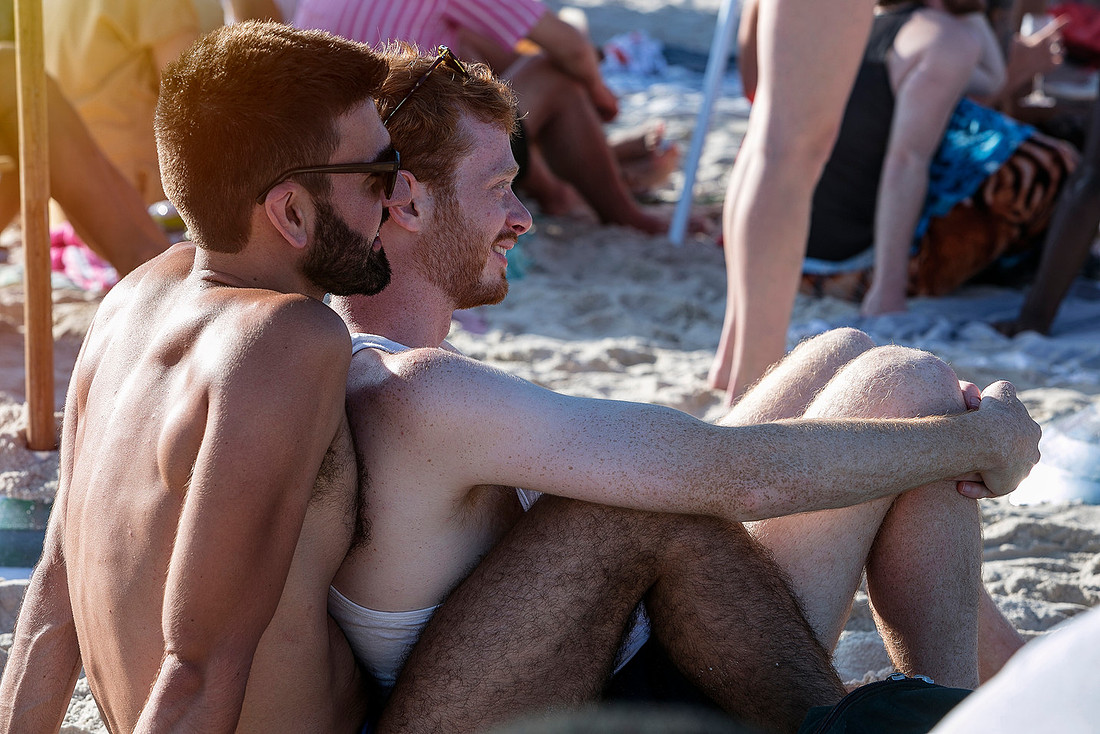
People are at the heart of the archive.
Thousands of photographs document:
- Artists
- Performers
- Activists
- Writers
- Musicians
- Dancers
- Community leaders
- Friends
- Visitors
- Longtime residents
Many individuals appear throughout multiple years, allowing viewers to see both personal stories and the evolution of the community over time.
The archive also includes portraits of internationally recognized cultural figures alongside everyday members of the Fire Island community, reflecting the belief that every life contributes to history.
Follow the Story Through Time
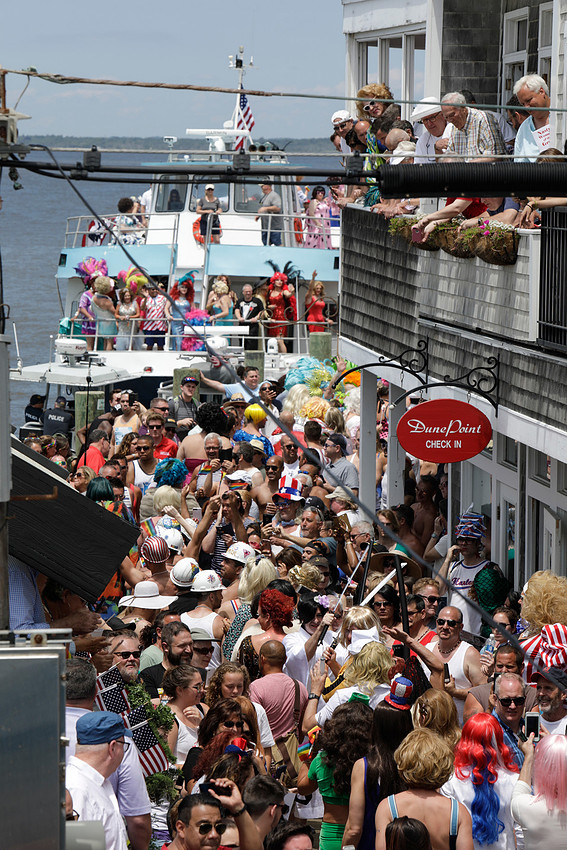
The archive spans more than three decades of photography.
Exploring photographs chronologically allows visitors to see how Fire Island has evolved through changing architecture, fashions, performances, public events, and community traditions.
Rather than documenting isolated moments, the archive reveals continuity across generations.
This long-term perspective transforms photography into an important historical resource.
Explore Through Projects
Many photographs belong to larger creative and documentary projects.
These include:
- Gay Fire Island
- In the Meat Rack
- Exhibition projects
- Documentary photography series
- Portrait collections
- Public history collaborations
Viewing photographs within these projects provides additional historical and cultural context.
Beyond Photography
The archive extends beyond still images.
Related work includes:
- Documentary filmmaking
- Journalism
- Books
- Oral stories
- Podcast interviews
- Public exhibitions
- Community history projects
Together these materials create a richer understanding of LGBTQ+ culture than photography alone.
Why Context Matters
Every photograph gains meaning through context.
Captions, dates, locations, events, and historical notes help connect images to the people and communities they represent.
A portrait becomes more than a face.
A celebration becomes more than a party.
A beach scene becomes part of the history of Fire Island.
By preserving both photographs and their stories, the archive ensures that future generations can understand not only what happened, but why it mattered.
A Living Archive
Unlike a completed museum collection, the koitz Fire Island Archive continues to grow.
Each season brings new portraits, community events, artistic collaborations, performances, and documentary projects. New photographs join older ones, expanding an archive that records both continuity and change.
As Fire Island evolves, so does the archive, preserving an ongoing visual history of LGBTQ+ life.
Begin Your Journey
Every visitor discovers the archive differently.
Some begin with portraits.
Others are drawn to documentary photography, Pride celebrations, architecture, drag performance, or the landscapes of Fire Island.
However you choose to explore, each photograph is connected to a larger story of community, resilience, creativity, and belonging.
Together, these images form one of the most comprehensive visual archives of contemporary LGBTQ+ life on Fire Island, preserving not only remarkable moments but also the people who made them possible.
Frequently Asked Questions
What is the koitz Fire Island Archive?
The koitz Fire Island Archive is an ongoing photographic archive documenting LGBTQ+ life in Fire Island Pines, Cherry Grove, and New York City through portraiture, documentary photography, exhibitions, books, and filmmaking.
What subjects does the archive include?
The archive includes portraits, Pride celebrations, drag performances, artists, architecture, community events, nightlife, beach culture, documentary photography, and everyday life.
Who uses the archive?
Researchers, museums, educators, journalists, historians, collectors, students, and members of the LGBTQ+ community use the archive to explore Fire Island's cultural history and visual heritage.
Is the archive still growing?
Yes. koitz continues to photograph Fire Island, adding new work each season and expanding the archive as the community continues to evolve.