Interview with koitz: Documentary Photography, Fire Island, and the Stories That Matter
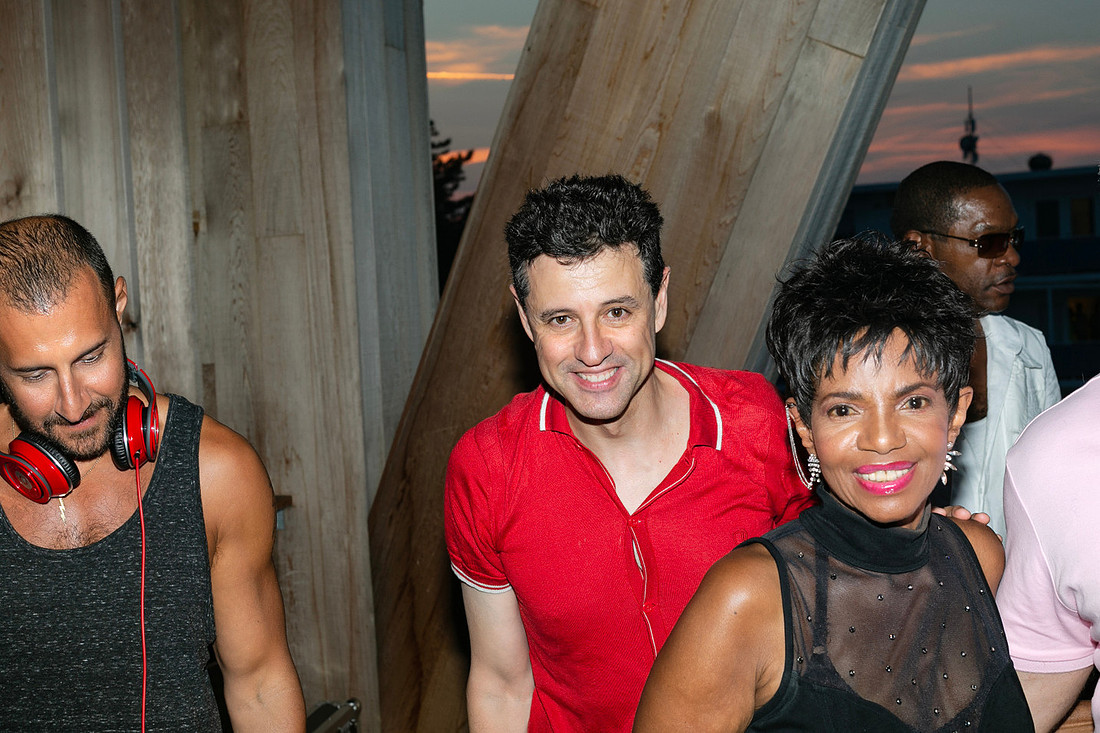

koitz with DJ Greg Scarnici and singer and actress Melba Moore. Photo by Robert Bonanno, 2014
Documentary photography is about more than creating beautiful images—it's about preserving moments, communities, and histories that deserve to be remembered. Photographer and journalist koitz has dedicated much of their work to visual storytelling, documenting LGBTQ+ communities, Fire Island, and the people whose lives shape these spaces. In this exclusive interview, koitz shares insights into the creative process, the importance of trust, and why photography remains one of the most powerful ways to tell human stories.
Q: Can you introduce yourself and tell us how you became interested in photography?
A: My first relationship with photography began at home. My mother always carried a camera with her, using it to photograph my three siblings and me as we grew up. For years, that camera was a familiar presence in our house, and I was fascinated by the images she created. Looking back, I realize that she was not simply taking snapshots—she was preserving our family’s story, documenting ordinary moments and the memories that shaped us.
My own journey as a photographer began when my grandmother gave me my first SLR camera, a Yashica FX-3. With it, I discovered the pleasure of making photographs, experimenting with both black-and-white and color film, and learning to see the world through a different kind of attention. When I moved to New York, the camera came with me. I still have it today, although it has not worked for many years. While my practice has moved into digital photography, that small camera remains a meaningful connection to the beginning of my life as a photographer.
Over time, I came to understand that documentary photography was more than a way of recording reality; it was a way of creating a deeper connection with people and preserving the moments, stories, and emotions that define our shared human experience.
Q: How would you describe your photographic style?
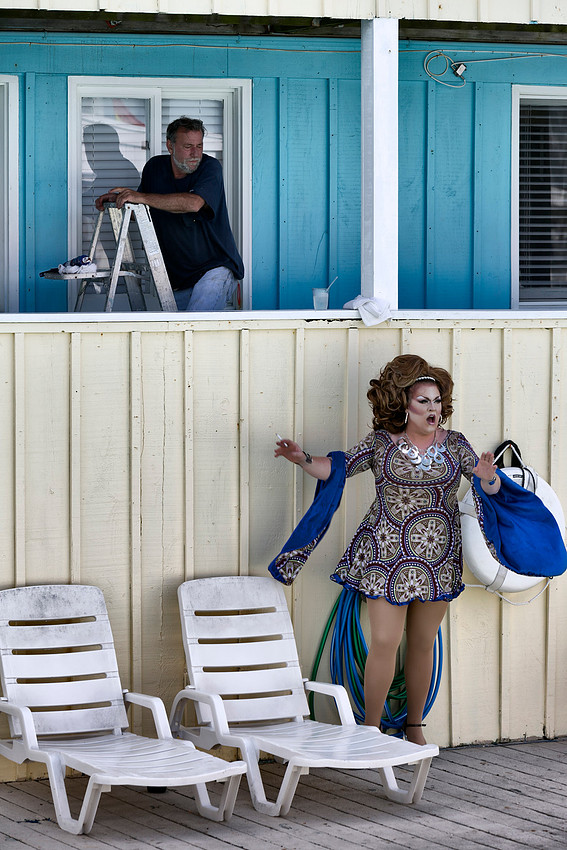
A: My work is rooted in documentary photography and visual storytelling. As both a journalist and a photographer, I see writing and photography as complementary ways of telling stories. I strive to create honest, intimate images that reflect genuine emotions and experiences without interfering with the natural flow of events. I aim to be a quiet witness: present but unobtrusive, never an intruder and never the center of attention.
Q: How does your background in journalism influence your photography?
A: Journalism taught me to observe carefully, ask questions, and listen before telling a story. I approach photography with that same mindset. Before I pick up the camera, I want to understand the people I'm photographing and the context of their lives. That helps me create images that feel authentic rather than simply visually appealing.
Q: Much of your work focuses on LGBTQ+ communities. What draws you to these stories?
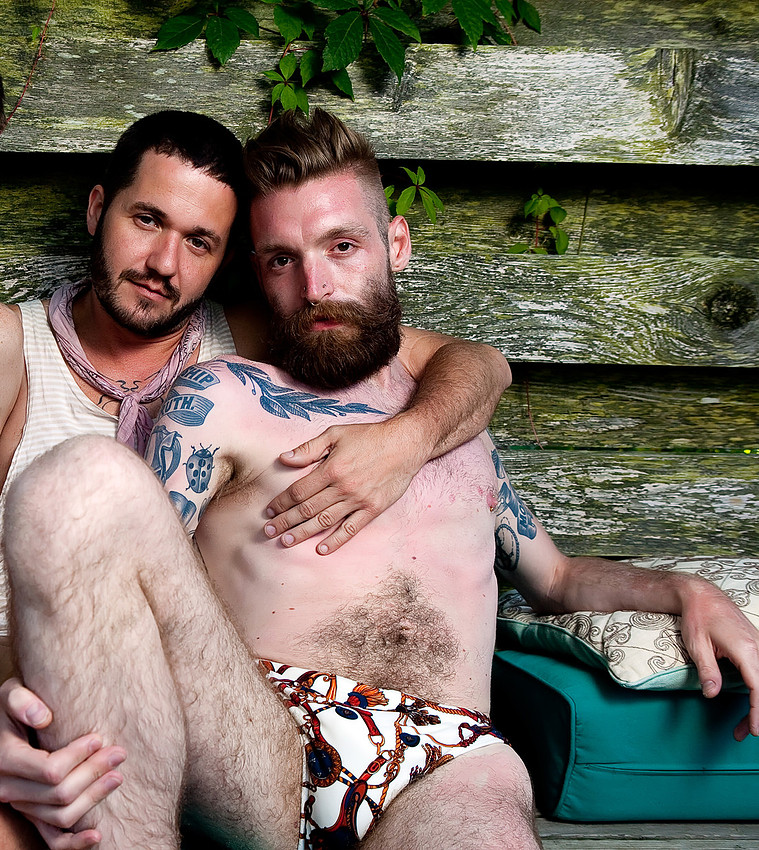
A: First, I identify as queer, so my interest in these communities is also deeply personal. These communities have rich histories, traditions, and personal stories that deserve to be documented. Visibility matters, but so does authenticity. I'm interested in showing everyday life, relationships, and the sense of belonging that exists within these communities.
Q: Fire Island has become one of your best-known projects. What inspired you to document it?
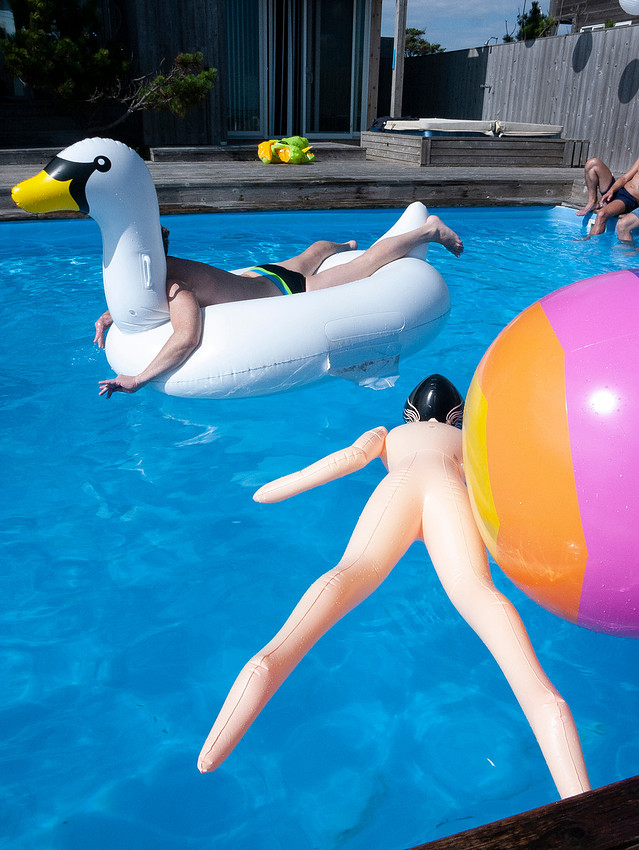
A: Fire Island is much more than a holiday destination. It's a place that holds deep cultural and historical significance for the LGBTQ+ community. As part of this community myself, I wanted to photograph not only its iconic moments but also the quieter ones—the friendships, conversations, traditions, and everyday experiences that make the place unique.
Q: What was the biggest challenge while photographing Fire Island?
A: As with my other projects, the biggest challenge was making sure the photographs reflected the reality of the community rather than reinforcing stereotypes. People there are very proud, and I wanted to capture that pride.That required spending time there, building relationships, and allowing people to feel comfortable enough to simply be themselves, even to the point of forgetting I was there with my camera.
Q: Trust seems to be central to your work. How do you build it?
A: Trust takes time. I never arrive expecting people to open up immediately. I prefer to listen first, spend time with them, and let the relationship develop naturally. The strongest documentary photographs come from mutual respect.
Q: What makes a documentary photograph successful?
A: For me, it's not about technical perfection. Technique was much more important to me at the beginning, when I felt the need to prove to others that I was a professional photographer. Over time, however, that changed. A successful photograph is one that makes people stop and feel something. It should communicate emotion, context, and humanity, while remaining honest to the moment.
Q: How do you balance aesthetics with authenticity?
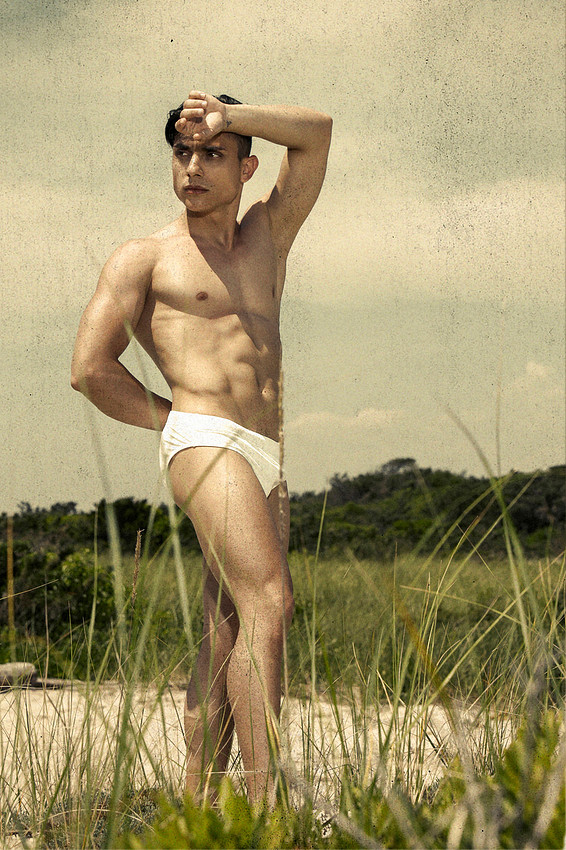
A: Composition and light are important, but they should never overpower the story. I want my photographs to be visually engaging while remaining truthful to what happened. Authenticity always comes first. People feel completely liberated on the island. They express themselves more freely because they are surrounded by a community where they can truly be themselves. I also want the people in my photographs to look their best. I never want to capture them at a vulnerable moment or doing something they might regret if they came across the image years later.
Q: Have your projects changed the way you see the world?
A: Absolutely. Photography has taught me patience and empathy. Every person has a story that deserves to be heard and shared, and spending time documenting different communities constantly reminds me how much we can learn from one another.
Q: What advice would you give to photographers interested in documentary work?
A: Be curious. Listen more than you speak. Don't rush the process. Take the time to observe and understand. A project might take months, or even years, to complete. I often find myself returning to the same project over and over again, and sometimes it becomes a lifelong body of work. Also, great documentary photography isn't about taking thousands of pictures—it's about understanding people and earning their trust.
Q: What do you hope viewers take away from your photographs?
A: I hope they see more than an image. I want them to feel connected to the people in the photograph and to leave with a greater sense of empathy, curiosity, and understanding.
Q: What projects are you working on next?
A: I'm continuing to explore long-term documentary projects that focus on identity, community, and social history. Those stories take time to unfold, and that's exactly what makes documentary photography so rewarding.
Closing Thoughts
koitz's work reminds us that documentary photography is ultimately about people. Through a combination of journalistic curiosity, artistic sensitivity, and long-term commitment, each project becomes a visual record of lives, places, and communities that might otherwise fade from memory.
Interview conducted and written by Marta Torres Ruiz