The Beach as a Queer Space
For many people, a beach is simply a place to swim, relax, and enjoy the summer.
On Fire Island, the beach has also been something more.
For generations, the beaches surrounding Cherry Grove and Fire Island Pines have provided LGBTQ+ people with a place to meet, socialize, express themselves, and experience a sense of freedom that was often difficult to find elsewhere.
The beach became part of the culture of queer Fire Island.
And photography has played an important role in preserving that culture.
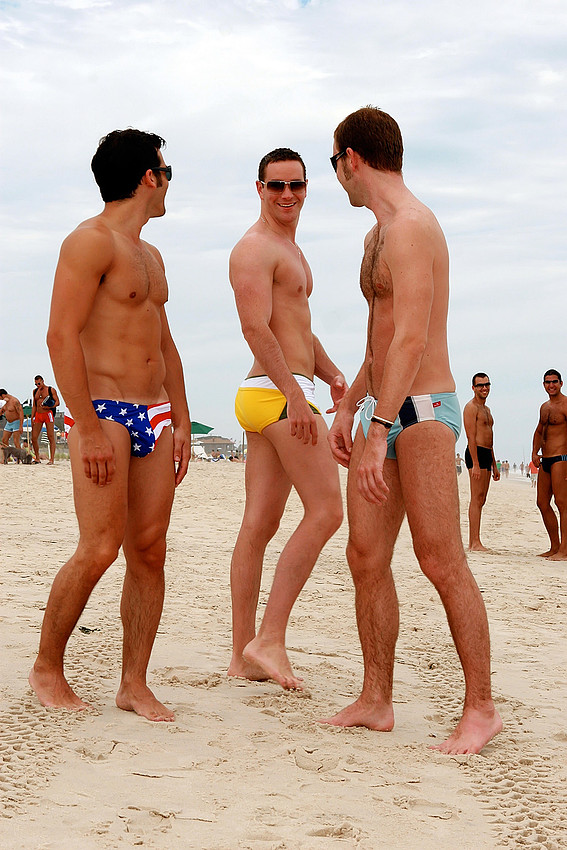
A photograph of Fire Island's beach can capture much more than the landscape. It can show friendships, intimacy, fashion, bodies, gestures, community, and the atmosphere of a particular summer.
This is what makes Fire Island photography so closely connected to LGBTQ+ history.

Why Fire Island Became a Queer Beach Destination
Fire Island's relative isolation helped make it attractive to LGBTQ+ visitors during a period when gay and lesbian people faced significant social and legal discrimination.
Cherry Grove, in particular, developed a strong LGBTQ+ presence from the mid-20th century onward. Its secluded location offered visitors an opportunity to socialize with greater freedom and less scrutiny than they often experienced on the mainland.
By the 1950s, photographs and personal archives were documenting beach life, parties, theater, and social gatherings in Cherry Grove. These images provide a rare visual record of LGBTQ+ people enjoying community openly during a period when such visibility could carry considerable risk.
The beach was therefore not simply scenery.
It was part of the community.
The Beach as a Place of Freedom
For LGBTQ+ people, finding a place where they could relax without constantly monitoring how they behaved could be transformative.
On Fire Island, the distance from the mainland created a feeling of separation from everyday expectations.
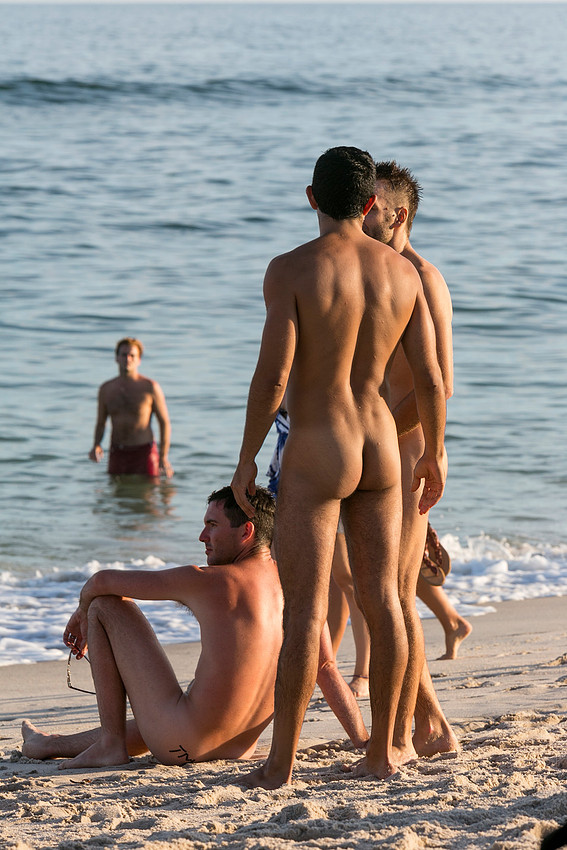
People could spend the day on the beach with friends, wear what they wanted, socialize openly, flirt, fall in love, and build relationships.
The beach could become a temporary world where queer identity was not something that needed to be hidden.
This history helps explain why Fire Island continues to hold such significance within LGBTQ+ culture.
Photography and the Queer Beach
Photography has a particular ability to preserve the atmosphere of a beach community.
A written description can explain that people gathered on the sand.
A photograph can show how they gathered.
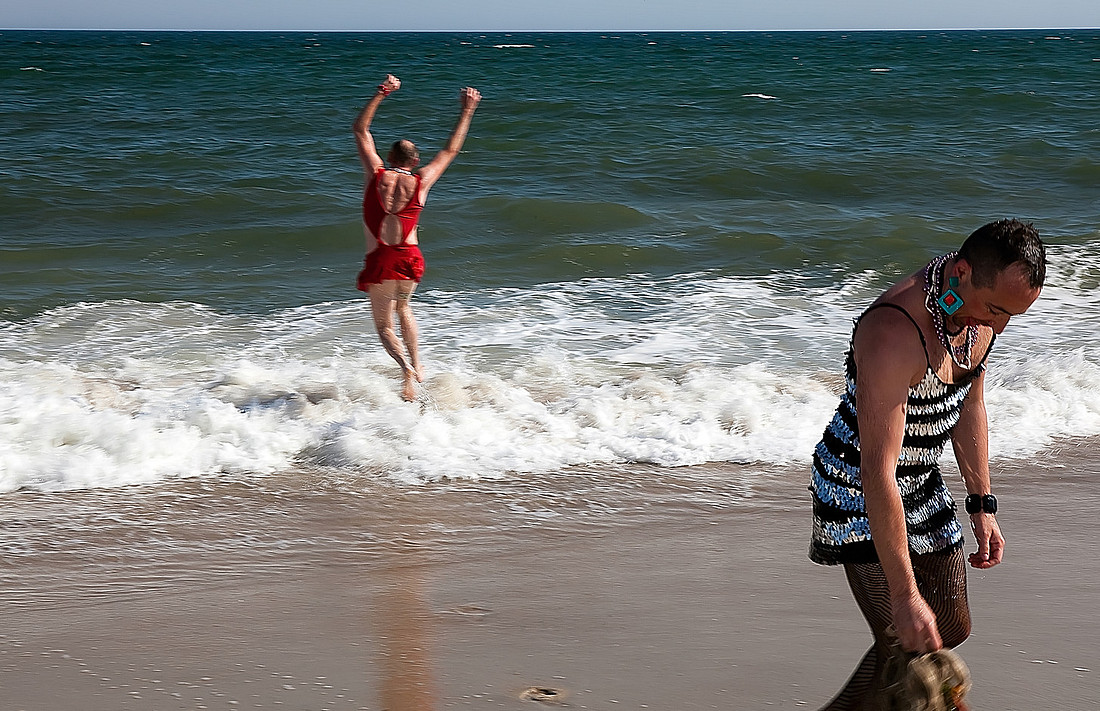
It can reveal the towels, umbrellas, swimsuits, bodies, gestures, friendships, and expressions that defined a particular moment.
A photograph might show a group of friends laughing in the sun.
Another might capture someone alone at the edge of the water.
Another might show a couple walking back toward the boardwalk.
None of these moments necessarily looks historic when it happens.
Years later, however, the photograph can become historical evidence.
Photographing People, Not Just Landscapes
Fire Island is visually beautiful.
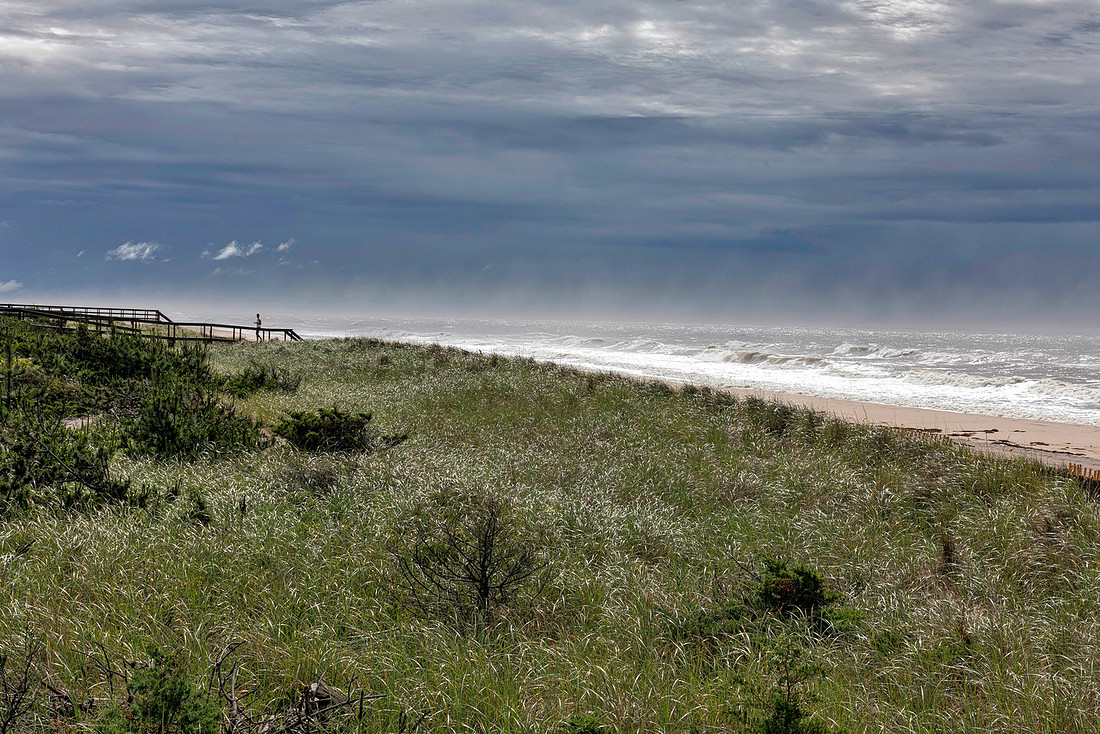
The Atlantic Ocean, dunes, beaches, sunsets, vegetation, and wooden boardwalks naturally lend themselves to photography.
But focusing only on the landscape would miss the most important part of the story.
The people make the place.
For a documentary photographer, the beach becomes a social landscape.
The photograph can show how people occupy space, how friendships are expressed, how groups form, and how individuals move through the community.
The result is a different kind of landscape photography—one in which human relationships are as important as the physical environment.
Bodies, Identity and Visibility
The beach is also a particularly powerful environment for photographing identity.
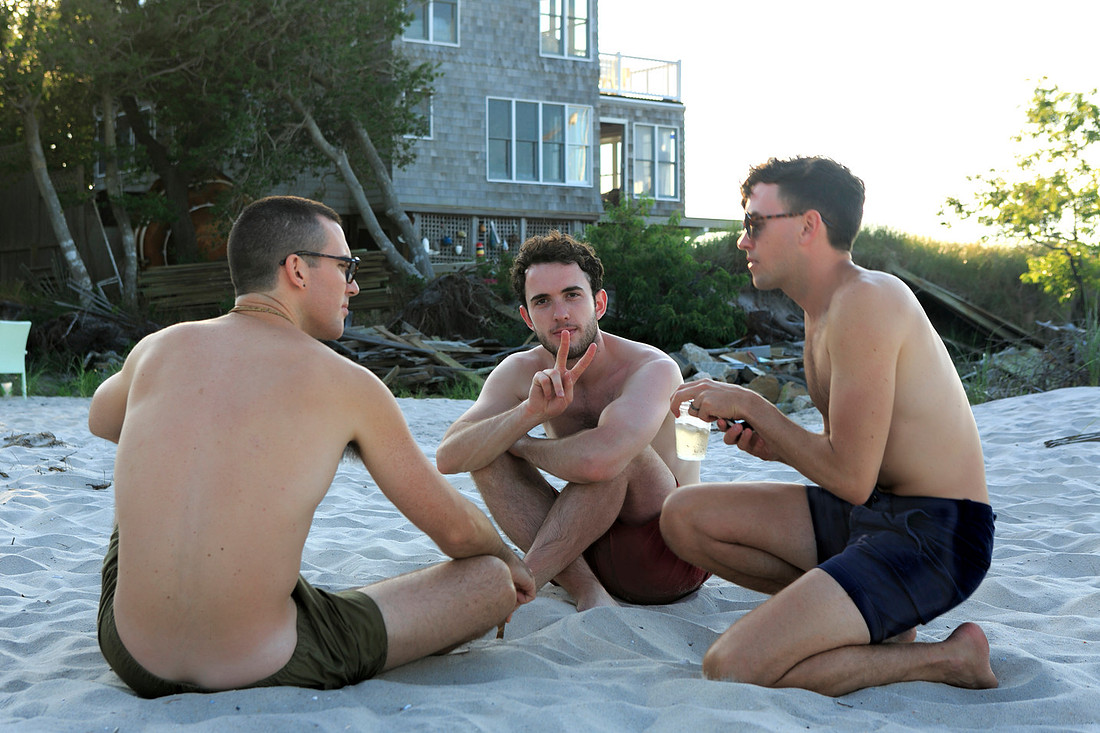
Swimwear removes many of the layers of clothing through which people normally present themselves. Bodies become more visible. Fashion becomes part of personal expression. Gender presentation can become more fluid.
For queer communities, this visibility has a complicated history.
Being visible can mean freedom and self-expression. It can also mean vulnerability.
Fire Island offered many LGBTQ+ people an environment where visibility could feel safer and more celebratory than it did elsewhere.
Photography preserves that tension.
A photograph can communicate confidence, vulnerability, playfulness, intimacy, or simply the comfort of being surrounded by people who understand you.
The Social Life of the Beach
Fire Island's beaches are social spaces.
People do not simply arrive, swim, and leave.
They talk.
They make plans.
They meet old friends.
They make new ones.
They move between the beach, boardwalks, houses, bars, and parties.
The beach becomes part of a much larger social network.
For photographers, this creates endless possibilities for candid images.
The most meaningful photograph may not be the obvious one. It might be a small interaction between two people sitting together, a group watching the sunset, or a friend helping another person carry a beach chair home.
These ordinary moments are essential to documenting community.
Cherry Grove and the Beach
Cherry Grove's relationship with the beach is inseparable from its LGBTQ+ history.
The community's archives contain photographs documenting beach life alongside theater productions, costume parties, house gatherings, and other events. Together, these images reveal how queer people created an everyday social world in the Grove.
The Cherry Grove Archives Collection describes the beach as one of the places where LGBTQ+ residents and visitors could socialize openly during the 1950s.
That makes beach photography particularly valuable.
It shows queer life outside the nightclub and outside the theater.
It shows people simply living.
Fire Island Pines and the Beach
The beach is equally important to the culture of Fire Island Pines.
While the Pines developed a different identity from Cherry Grove, both communities became significant LGBTQ+ destinations.
The Pines became particularly associated with gay male culture, modernist architecture, parties, and social life.
Its beach became another place where these networks came together.
During summer, the boundary between beach, house, party, and nightlife can become almost invisible.
Photography captures these transitions.
A photograph made in the afternoon can feel completely different from one taken after sunset, yet both may belong to the same social world.
From Daylight to Night
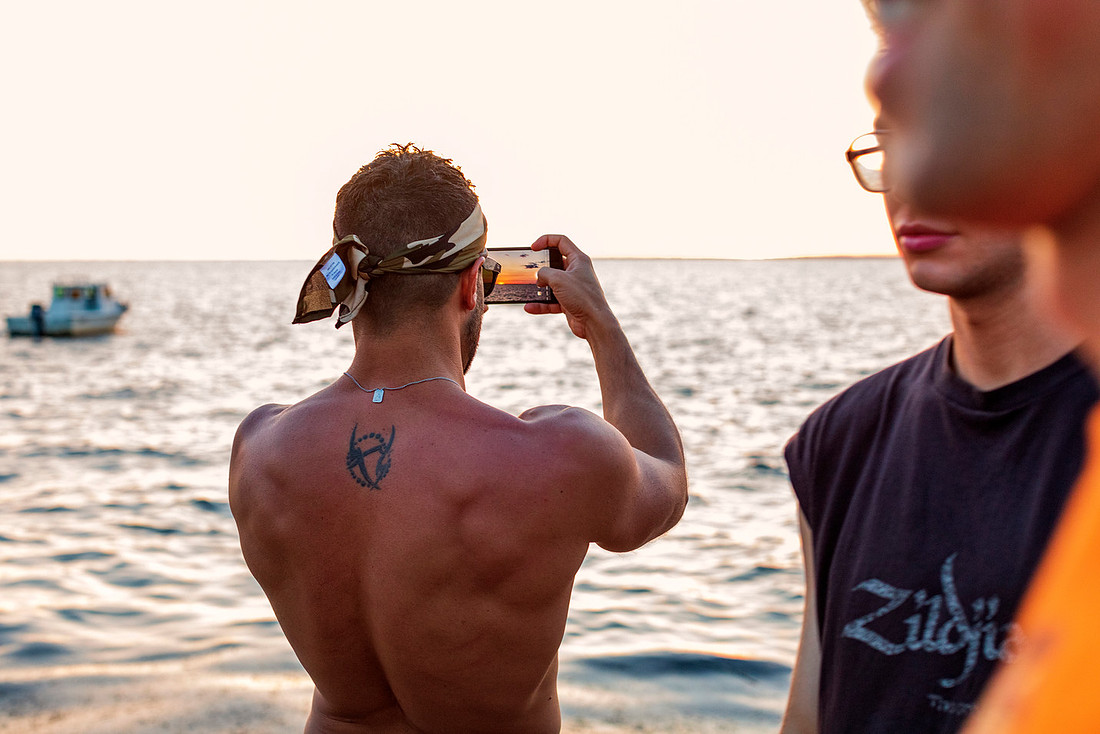
One of the most interesting aspects of Fire Island photography is the transition from day to night.
During the day, the beach is bright and open.
People swim, sunbathe, talk, read, and walk along the shoreline.
As the sun sets, the atmosphere changes.
People return to their houses. They change clothes. Performers prepare for shows. Friends gather for dinner. Parties begin.
The beach may become quieter, but the community does not disappear.
The energy simply moves elsewhere.
A photographic archive can follow this movement—from the beach in the afternoon to the boardwalk at sunset and the dance floor after dark.
Photography as Memory
For people who have spent summers on Fire Island, photographs often become personal memory.
A photograph can bring back a particular summer, a friend, a relationship, a house, or a community gathering.
This becomes especially important when people and places change.
Someone who appears in a photograph may no longer live on the island.
A house may look completely different.
A familiar bar may have disappeared.
A generation may have moved on.
The photograph remains.
A Record of LGBTQ+ History
The historical value of Fire Island photography extends beyond personal memories.
The photographs become part of a broader record of LGBTQ+ life in America.
The Cherry Grove Archives Collection has worked for decades to preserve photographs, documents, film, and other material documenting the social, political, and cultural history of the community.
These archives demonstrate why everyday photographs matter.
Images of people on the beach may not have been created as historical documents.
But with time, they become exactly that.
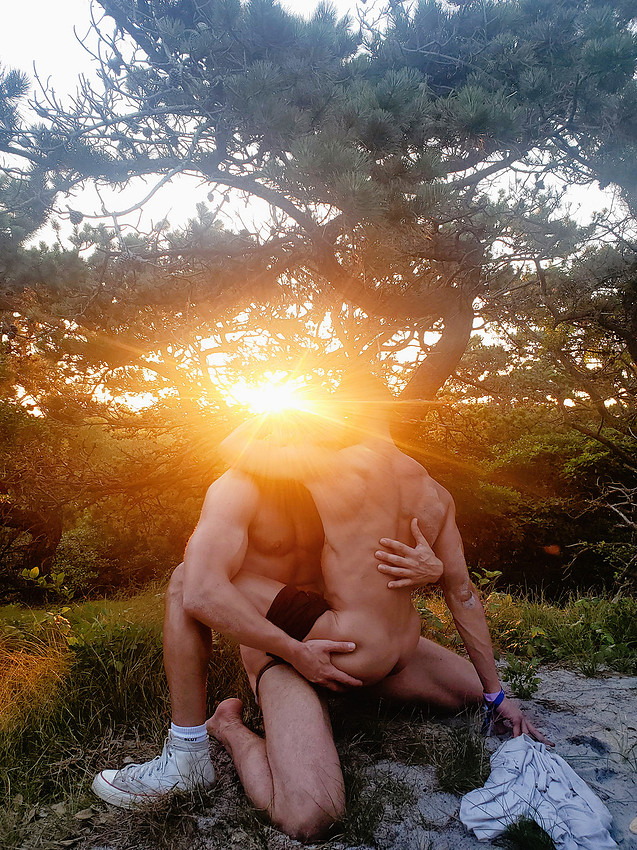
They show how LGBTQ+ people lived, dressed, socialized, loved, and created community.
Photography and the Right to Be Seen
There is another important dimension to queer beach photography: visibility.
For much of LGBTQ+ history, photographs of same-sex couples, affection, drag, and openly queer social life could be risky.
Photographs could expose people's identities.
At the same time, photographs could also challenge invisibility.
They could show that LGBTQ+ people were not simply isolated individuals. They were communities.
They had friendships.
They had families.
They had homes.
They had places where they gathered.
Fire Island became one of those places.
koitz and Fire Island Photography
For photographer koitz, Fire Island became an important part of a broader photographic record of LGBTQ+ life.
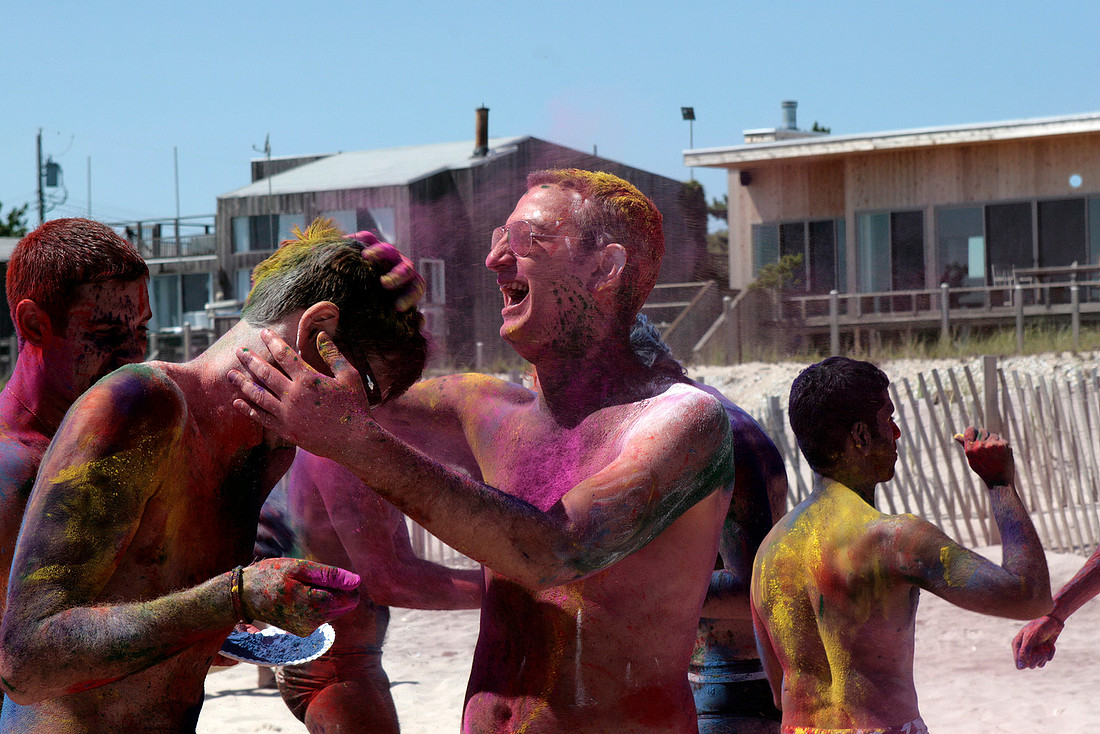
Over two decades, he photographed Cherry Grove and Fire Island Pines, documenting parties, performances, portraits, beaches, friendships, nightlife, and everyday moments.
His Fire Island work captures both the public and private sides of the community.
The photographs are not limited to spectacular events.
They also document the quiet moments between them.
A day on the beach.
A conversation on a boardwalk.
Friends preparing for a party.
A performer backstage.
Two people sharing a moment away from the crowd.
Together, these images create a more intimate record of queer Fire Island.

The Beach as a Living Archive
The beach changes constantly.
The light changes.
The weather changes.
The people change.
Every summer brings new visitors, while longtime residents return with memories of previous seasons.
Photography freezes one small part of that constantly changing environment.
A photograph from the 1950s can show a very different Fire Island from a photograph made decades later. Yet the underlying role of the beach remains recognizable: a place where people gather and create community.
That continuity is part of what makes Fire Island photography so powerful.
Why the Queer Beach Matters
The history of LGBTQ+ communities is often told through major political events.
Stonewall.
Pride.
Activism.
Legal victories.
But community is also built through ordinary experiences.
A day at the beach.
A summer friendship.
A first kiss.
A group of friends sharing lunch.
A performer relaxing after a show.
A couple walking along the water.
These moments may never appear in a traditional history book.
Photography can preserve them.
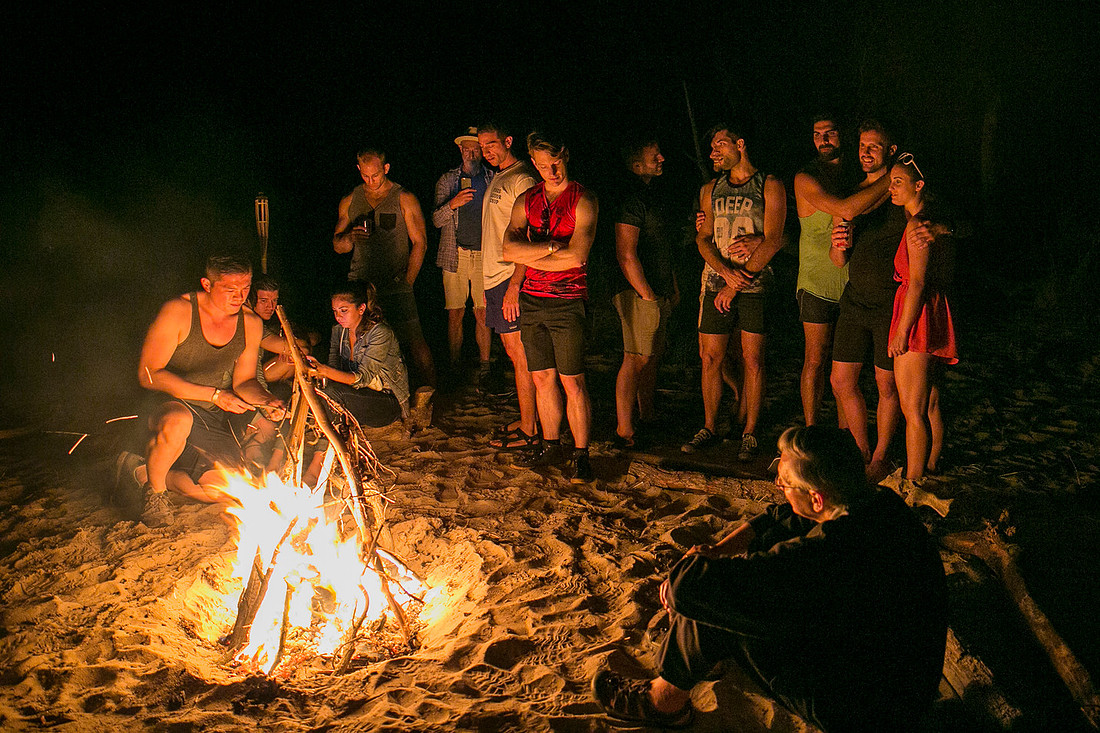
The Beach After Dark
The story does not end when the sun goes down.
On Fire Island, the beach connects directly to the nightlife, houses, boardwalks, and performance spaces that define summer culture.
The day becomes night.
The beach becomes quieter.
The community moves toward the bars and parties.
And the photographer follows.
This movement between daylight and nightlife is one of the defining characteristics of Fire Island LGBTQ+ photography.
It allows the story to include both the public celebration and the private moments that happen between events.
Preserving a Place of Belonging
Fire Island's beaches have provided generations of LGBTQ+ people with something that can be difficult to describe in words: the feeling of belonging.
The significance of the place is not simply that queer people were allowed to visit.
It is that they created a culture there.
They built friendships, relationships, traditions, performances, businesses, homes, and memories.
Photography preserves the evidence.
The beach becomes more than a landscape.
It becomes an archive of people.
The Beach as Queer History
To photograph Fire Island's beaches is therefore to photograph LGBTQ+ history.
The images document bodies and landscapes, but also freedom, intimacy, friendship, visibility, and community.
They show how a place can become meaningful because of the people who gather there.
And they remind us that history is not only found in monuments or official documents.
Sometimes it is found in a photograph of friends sitting together on the sand.
Sometimes it is a couple walking along the shoreline.
Sometimes it is a crowded beach on a summer afternoon.
These moments matter because they show what queer life actually looked like.
The beach is part of the history. The people are part of the history. And the photographs help keep both alive.