Gay Fire Island Featured by The New York Historical
Safe/Haven: Gay Life in 1950s Cherry Grove
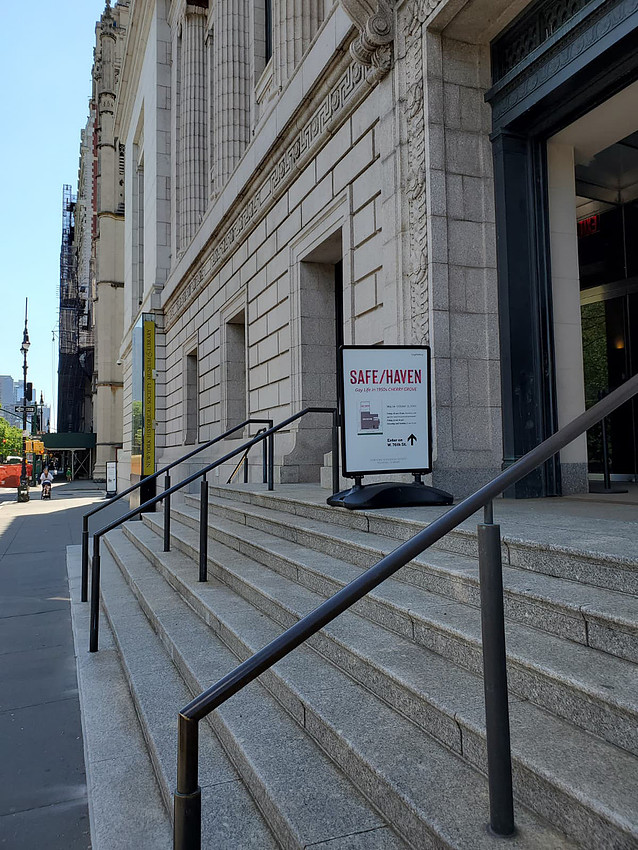
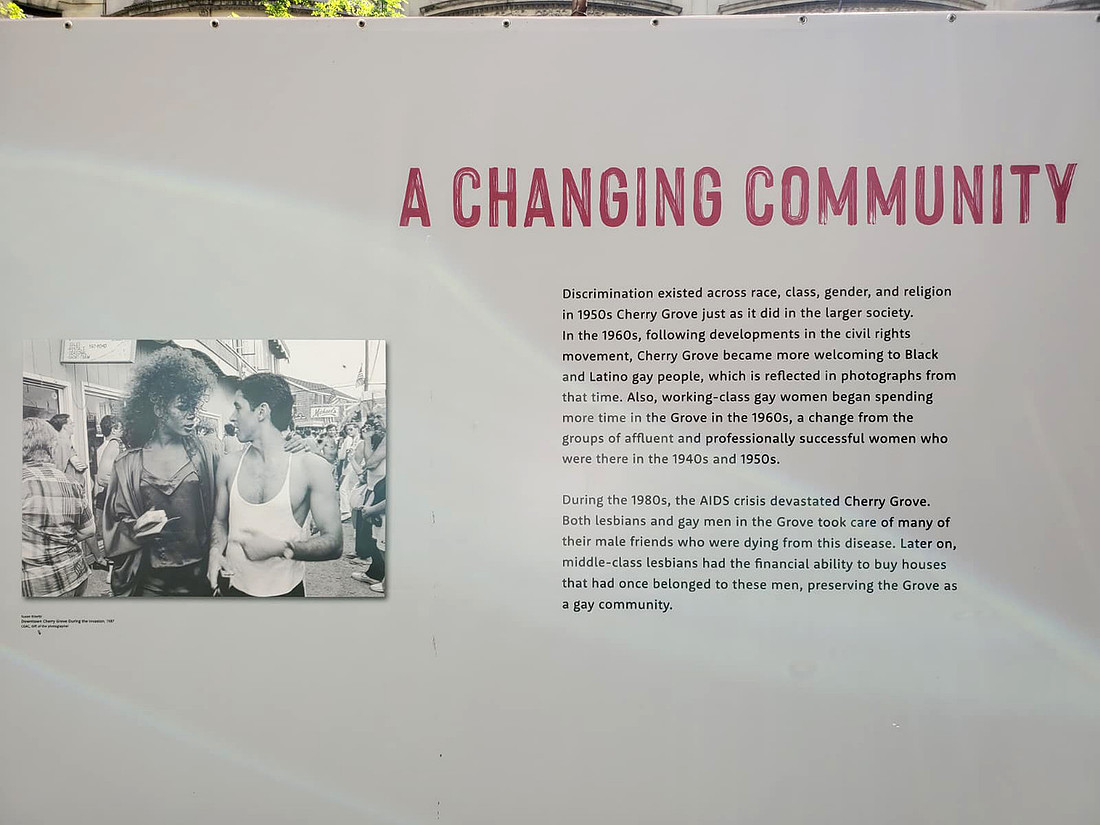
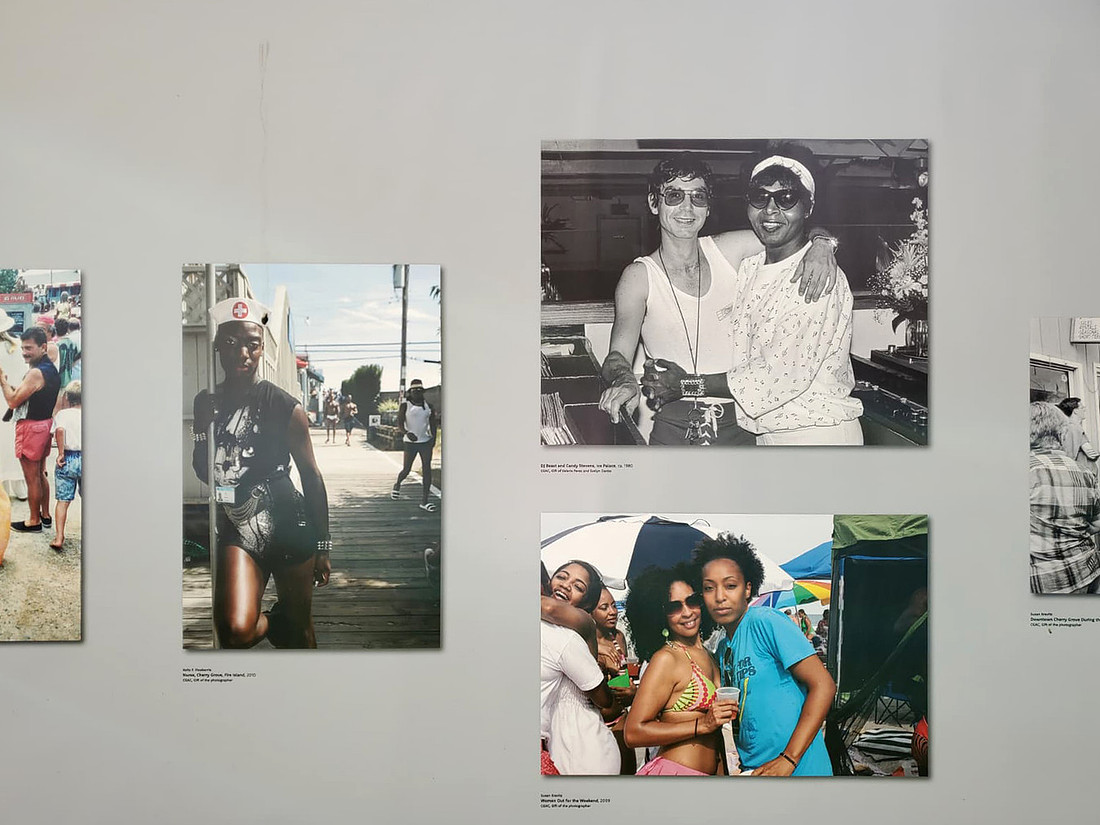
The landmark exhibition Safe/Haven: Gay Life in 1950s Cherry Grove at The New York Historical featured one of koitz's iconic photographs. The image, Nurse (Cherry Grove, 2010), was presented in the section A Changing Community.
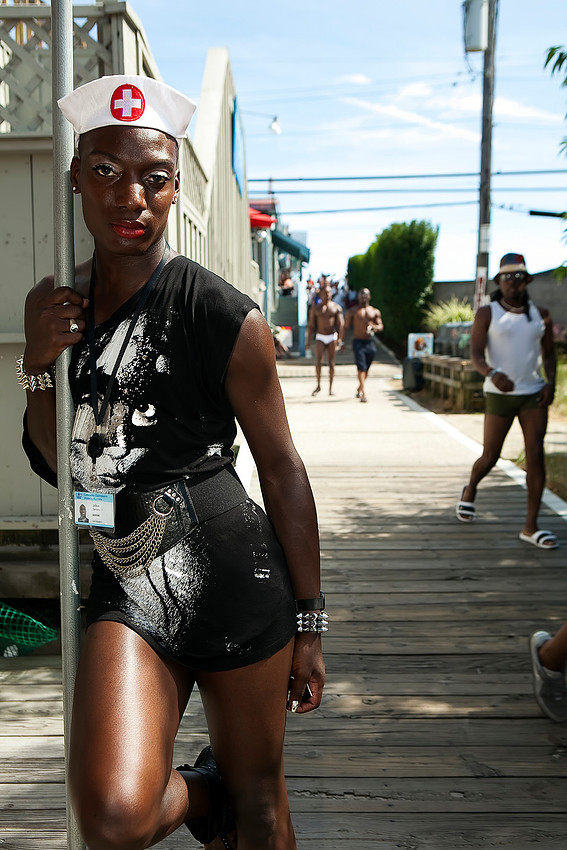

While the Cherry Grove of the 1950s was largely a white community, the exhibition looked beyond its origins to reflect the enclave's ongoing transformation. By including Nurse, The New York Historical acknowledged the Black, Latino, Asian, and other people of color whose presence, experiences, and contributions have become an essential part of Cherry Grove's history, expanding the story of a place whose identity continues to evolve with each generation.
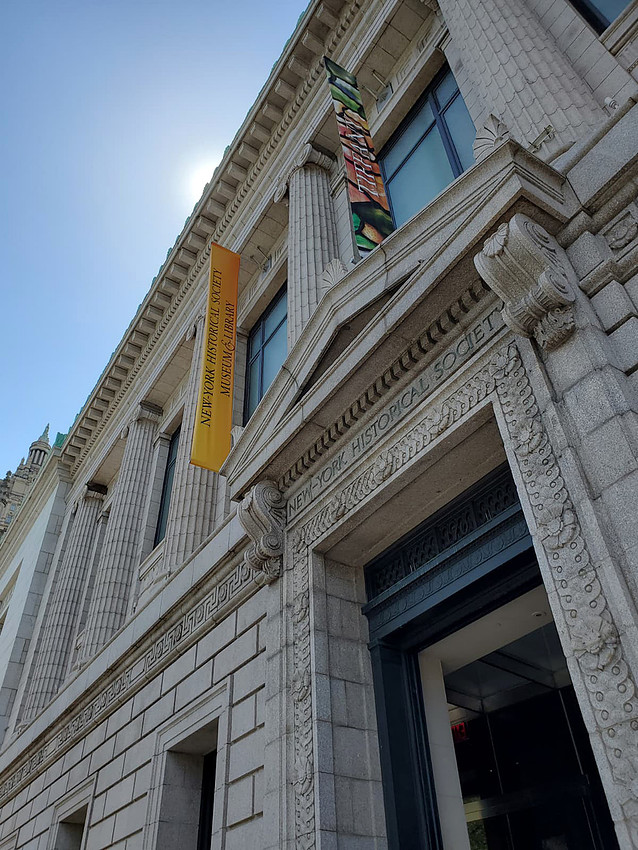
koitz Gay Fire Island book was selected by The New York Historical as a recommended companion publication for the landmark exhibition Safe/Haven: Gay Life in 1950s Cherry Grove, an exhibition examining the origins and cultural significance of America's first gay and lesbian community. Featuring nearly seventy historic photographs from the renowned Cherry Grove Archives Collection, Safe/Haven explored the resilience, creativity, and everyday lives of LGBTQ+ people who helped shape one of the country's most influential queer communities.
By recommending koitz Gay Fire Island alongside leading publications on Fire Island's history, The New York Historical recognized koitz's photography as an important contemporary continuation of that visual legacy. While the exhibition documented Cherry Grove's formative decades through rare archival images, koitz's photographs extend the narrative into the twenty-first century, capturing the people, relationships, traditions, and evolving culture of Cherry Grove and Fire Island Pines.
Over more than two decades, koitz has created one of the most extensive contemporary photographic records of Fire Island's LGBTQ+ communities. His work documents not only its celebrated beaches, dunes, and iconic social spaces, but also the intimate friendships, chosen families, artistic expression, and quiet moments that define life on the island. Together, these photographs preserve a living history of a community that has long served as a place of freedom, creativity, and belonging.
The inclusion of koitz Gay Fire Island among the exhibition's recommended publications affirms the book's value as both a work of fine art photography and an important cultural document. It recognizes koitz's contribution to preserving the continuing story of Cherry Grove and Fire Island Pines, ensuring that the visual history of one of the world's most significant LGBTQ+ communities remains accessible for future generations.