Why Artists Have Photographed the Human Body for Centuries by koitz
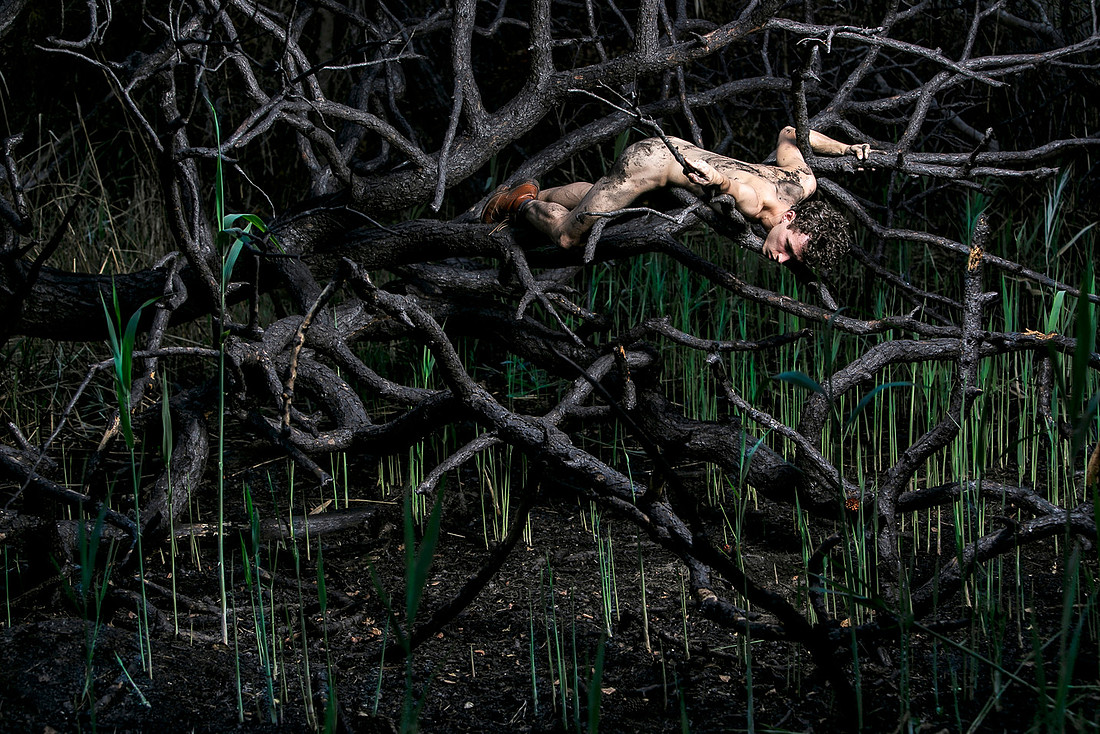
For more than twenty years, I've photographed the human body in many different ways. Sometimes my photographs are documentary, capturing life as it unfolds on Fire Island or in New York's LGBTQ+ community. Other times, they are carefully composed fine art portraits that explore light, form, vulnerability, and identity.

Throughout those years, people have often asked me the same question:
Why photograph the nude?
The answer is surprisingly simple.
Artists have been drawn to the human body for thousands of years because it is our most universal subject. Every person has a body, yet every body tells a different story. The nude can express beauty, strength, intimacy, vulnerability, freedom, and humanity in ways that few other subjects can.
For me, photographing the human body has never been about provocation. It has always been about people.
The Human Body as Art
Long before photography existed, painters and sculptors looked to the human body as their greatest source of inspiration.
Ancient Greek sculptors celebrated physical beauty and balance. During the Renaissance, artists such as Michelangelo and Leonardo da Vinci studied anatomy not simply to create realistic figures but to better understand the relationship between the body, movement, and emotion.
The nude became one of the foundations of Western art—not because it was controversial, but because it represented the human experience itself.
Photography inherited that tradition.
Photography Changed the Way We See the Body
When photography emerged in the nineteenth century, artists gained a new way to study and represent the human form.
Unlike painting, photography could capture gestures, expressions, imperfections, and fleeting moments with extraordinary honesty.
That honesty transformed the nude.
The body was no longer only an idealized figure. It became real.
Over time, photographers began exploring identity, gender, aging, intimacy, and self-expression through the camera, expanding the role of the nude far beyond classical ideals.
Documentary and Fine Art
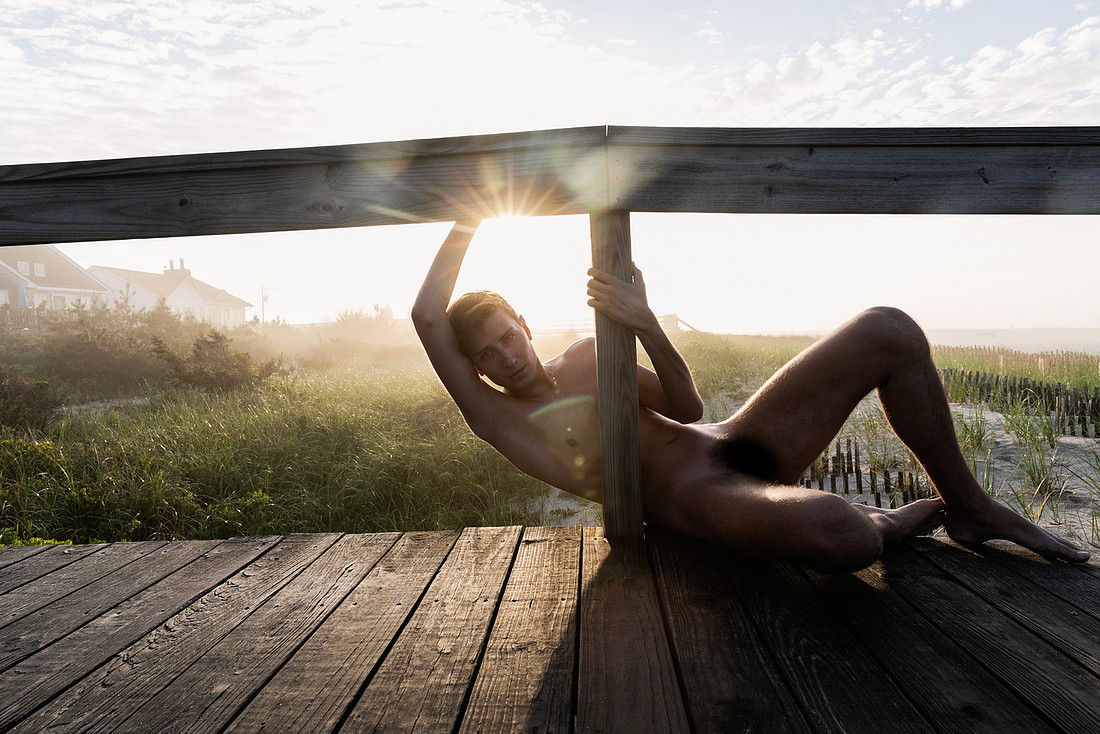
Much of my own work exists between documentary photography and fine art.
On Fire Island, nudity has often been part of everyday life. Beaches, boardwalks, and summer gatherings have long reflected a culture of openness, body positivity, and acceptance within the LGBTQ+ community.
When nudity appears in my documentary photographs, it is never the subject in itself.
It is simply part of the story.
My fine art work approaches the body differently. Composition, light, gesture, and emotion become central elements, inviting viewers to look beyond appearance and consider the person in front of the camera.
Although the two approaches are different, they share the same purpose: to create honest photographs.
More Than Skin
The most memorable nude photographs rarely succeed because someone is unclothed.
They succeed because they reveal something deeper.
Trust between photographer and subject.
A sense of vulnerability.
Confidence.
Love.
Freedom.
The human body becomes a language through which emotion is expressed.
Without that emotional connection, even the most technically perfect photograph has little meaning.
Fire Island and the Meaning of Freedom
Few places have influenced my photography as much as Fire Island.
For decades, Cherry Grove and Fire Island Pines have welcomed artists, performers, writers, and LGBTQ+ visitors seeking community and acceptance. Within that environment, nudity became something remarkably ordinary.
It wasn't about drawing attention.
It was about living authentically.
Photographing Fire Island taught me that people eventually stop seeing nudity and begin seeing individuals. Conversations, friendships, laughter, and shared experiences become far more important than whether someone is wearing a swimsuit.
That lesson has shaped my work ever since.
The Human Body Is Timeless
Photography trends change.
Technology evolves.
Social media comes and goes.
The human body remains.
Every generation discovers new ways to photograph it, interpret it, and understand it.
For me, the camera has always been a way to explore not only how people look but who they are.
Every portrait, every documentary photograph, and every fine art nude contributes to a larger story about identity, culture, and the human experience.
Why I Continue to Photograph the Nude
After more than twenty-five years behind the camera, I still find the human body endlessly fascinating.
Not because it is perfect.
Not because it is provocative.
But because it is honest.
Every scar, every wrinkle, every gesture, and every expression tells a story that cannot be repeated.
That is what photography preserves.
The body changes.
Communities evolve.
Time moves forward.
But a photograph allows one moment to remain.
Perhaps that is why artists have photographed the human body for centuries.
Not simply because it is beautiful.
But because it reminds us what it means to be human.