The Complete Guide to Fire Island's LGBTQ+ Communities: Cherry Grove and Fire Island Pines
For more than two decades, koitz has documented life on Fire Island through photography—from quiet mornings on the beach to iconic events like the Invasion of the Pines. This guide explores the history, culture, and communities that have made Fire Island one of the world's most celebrated LGBTQ+ destinations. Check the blog on koitz's photography.
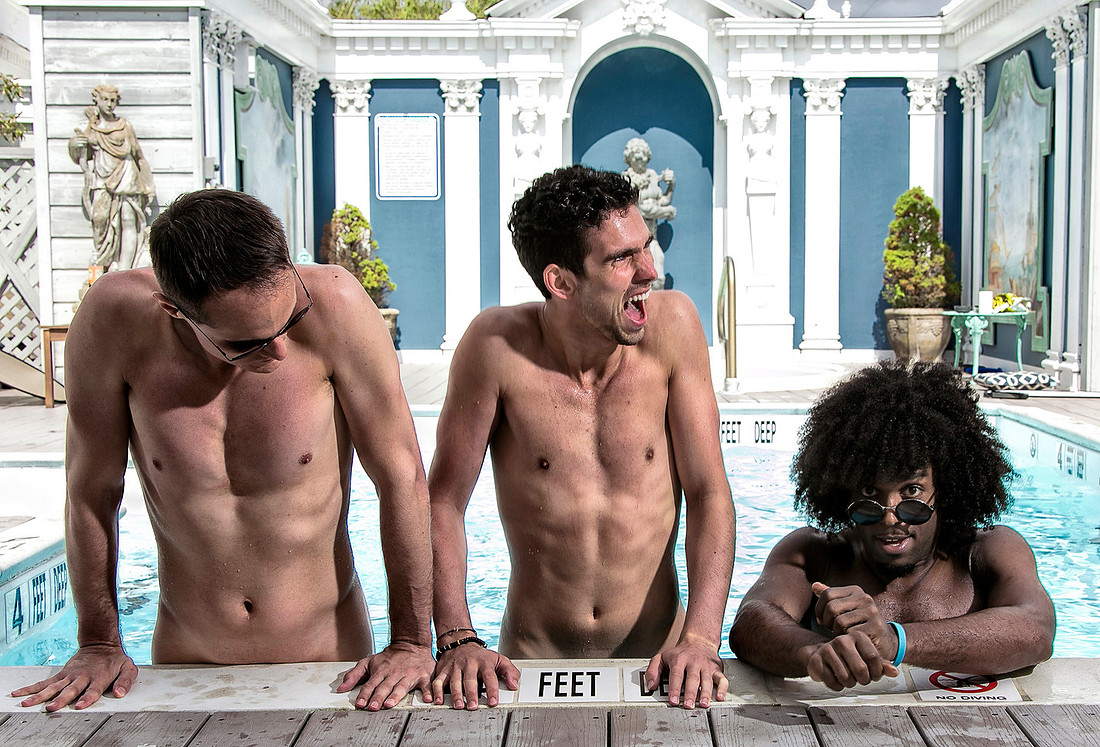

What Is Fire Island?
Located just off the south shore of Long Island, New York, Fire Island is a 32-mile barrier island known for its pristine beaches, maritime forests, sand dunes, and welcoming communities. Much of the island is protected as Fire Island National Seashore, preserving its natural beauty while allowing visitors to experience one of the East Coast's most unique coastal environments.
Unlike most beach towns, there are no cars in the central communities. Visitors arrive by ferry and travel on foot, by bicycle, or in small electric carts. Wooden boardwalks connect homes, beaches, restaurants, and neighborhoods, creating an atmosphere unlike anywhere else in New York.
For generations, Fire Island has attracted artists, writers, photographers, and LGBTQ+ visitors seeking freedom, acceptance, and a close connection with nature.
Related Gallery
- Fire Island Landscapes
- Boardwalks
- Great South Bay
Cherry Grove: America's Historic LGBTQ+ Community
Founded in the early twentieth century, Cherry Grove is recognized as one of America's oldest LGBTQ+ vacation communities. Long before acceptance became widespread, Cherry Grove offered a place where people could gather openly, form friendships, and express themselves freely.
Today, its welcoming atmosphere continues through beach life, community events, theater, nightlife, and artistic expression.
Walking through Cherry Grove reveals colorful cottages, winding boardwalks, waterfront restaurants, and a close-knit community where generations of visitors return every summer.
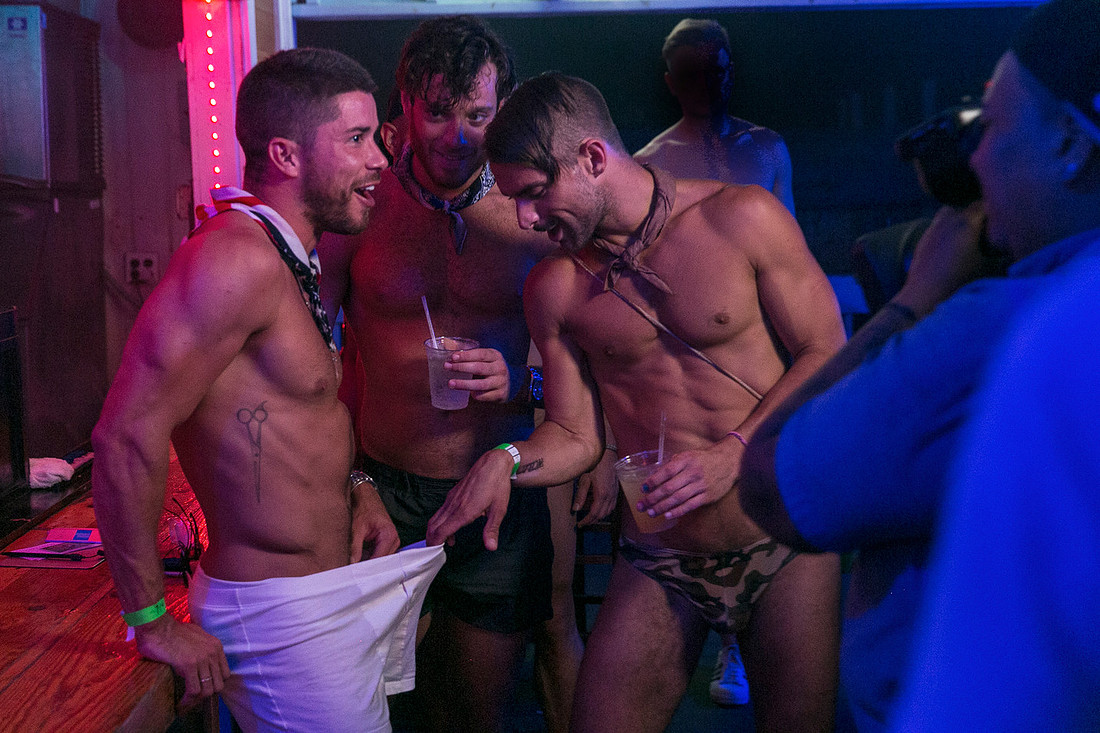
As a documentary photographer, many of my favorite images come from quiet everyday moments—friends talking on porches, readers relaxing by the pool, beach gatherings, and portraits that capture the warmth and diversity of the community.
Explore
- Cherry Grove Gallery
- Blackout Party
- Beaches
- Portraits
Fire Island Pines: Modern Architecture, Community, and Summer Life
Just east of Cherry Grove lies Fire Island Pines, often called simply "The Pines." Known for its striking modernist architecture and lively social scene, the Pines has become one of the world's best-known LGBTQ+ summer destinations.
Visitors arrive to discover elevated beach houses connected by boardwalks that weave through maritime forests before opening onto expansive Atlantic beaches.
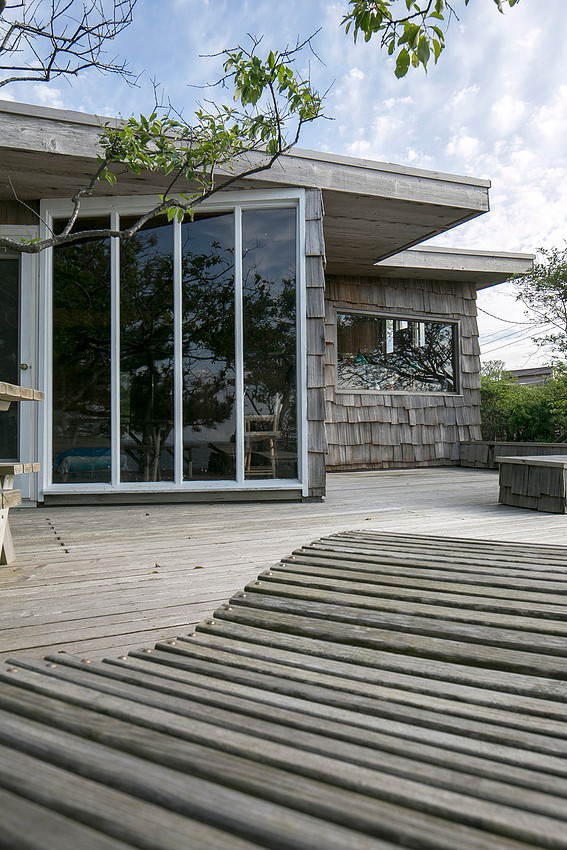
Life in the Pines revolves around the beach, afternoon gatherings, evening events, and an extraordinary sense of community. Throughout the summer, photographers, artists, designers, and visitors from around the world come together in a place where individuality is celebrated.
My photographs document both large public celebrations and intimate moments that reveal the character of the Pines beyond its famous parties.
Explore
- Fire Island Pines Gallery
- Beach Life
- Portraits
The Fire Island Ferry: More Than Transportation
Every Fire Island visit begins aboard the Fire Island ferry.
The ferry is more than simply transportation between Long Island and the island—it marks the transition from everyday life to a place with its own rhythm and traditions.
Passengers arrive carrying bicycles, luggage, beach chairs, and excitement for the days ahead. During holiday weekends and special events, the ferry becomes a colorful gathering place filled with anticipation, conversation, and celebration.
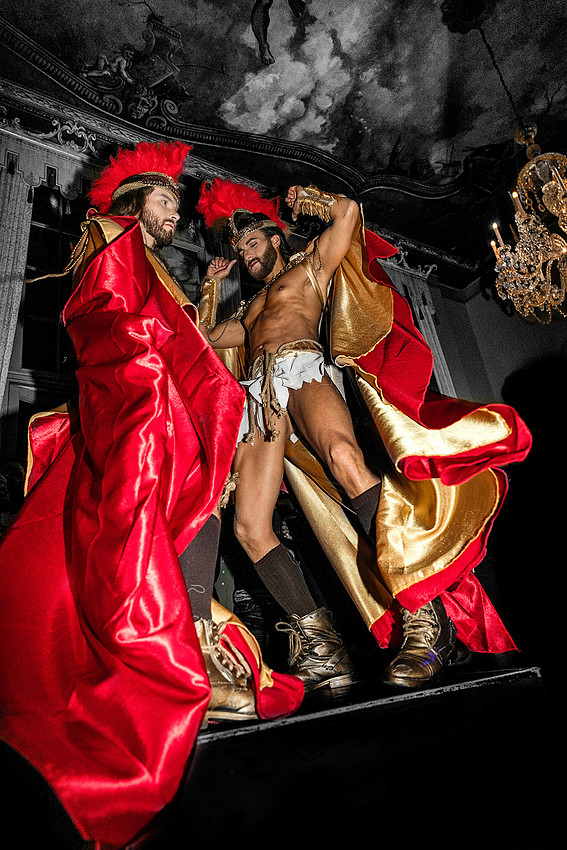
Some of my favorite documentary photographs were made during these crossings, capturing first arrivals, returning friends, drag performers, and unforgettable sunsets across the Great South Bay.
Explore
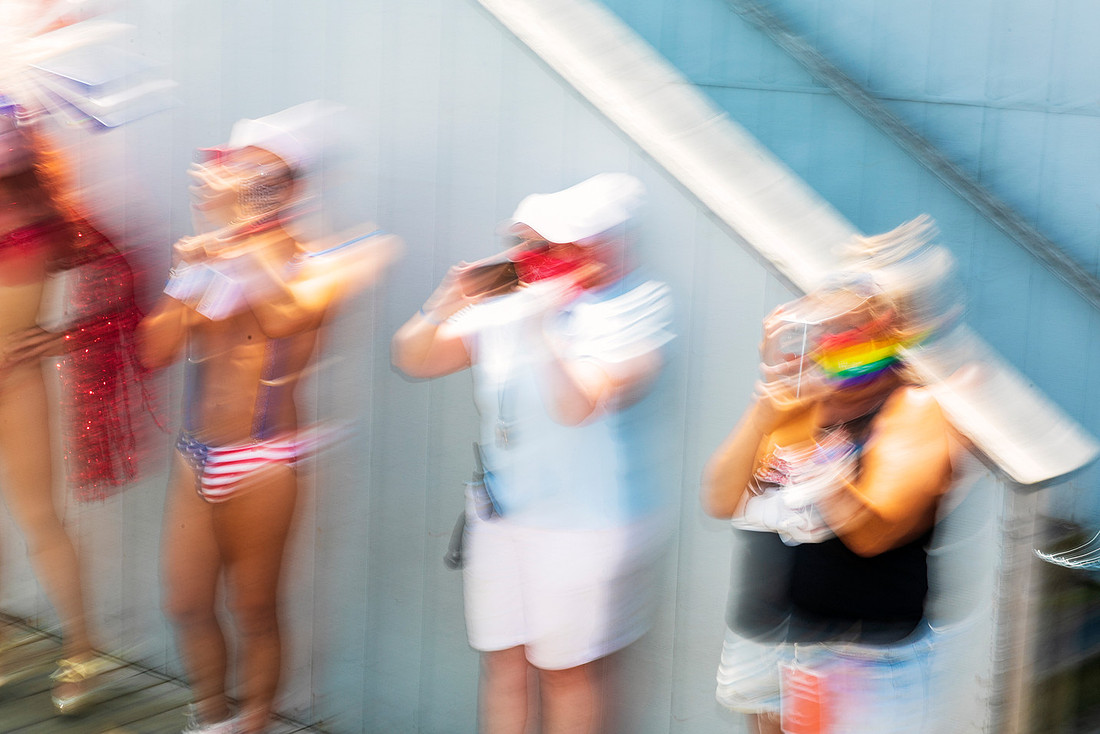
Invasion of the Pines
Every Fourth of July, Fire Island celebrates one of its most beloved traditions: The Invasion of the Pines.
What began in 1976 as a playful act of protest has evolved into a celebrated annual event featuring elaborate costumes, drag performances, music, and thousands of spectators lining the docks.
The day begins in Cherry Grove before participants board the ferry and arrive at Fire Island Pines in spectacular fashion.
For photographers, the Invasion offers remarkable opportunities to document creativity, fashion, performance, and LGBTQ+ history all in one place.
Explore
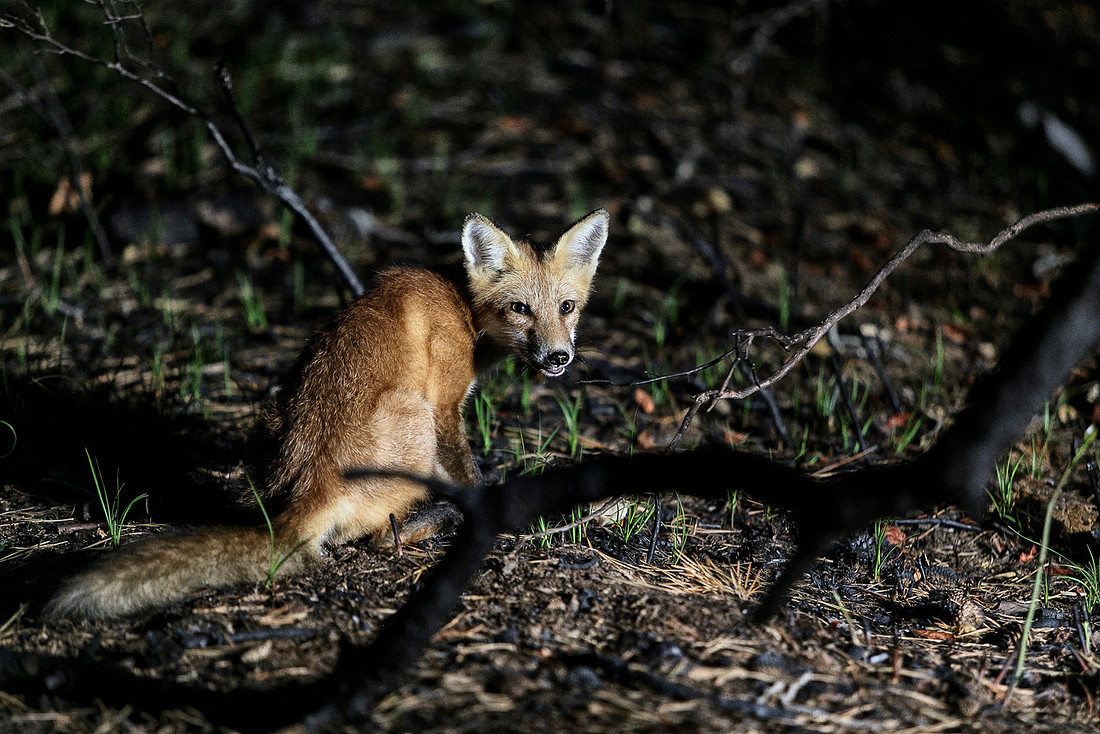
The Meat Rack
Connecting Cherry Grove and Fire Island Pines is a stretch of protected maritime forest commonly known as The Meat Rack.
Beyond its colorful nickname and reputation in LGBTQ+ culture, this wooded landscape is one of Fire Island's most distinctive natural environments.
Twisting boardwalks, shaded trails, native vegetation, and changing light create a dramatic setting for landscape and documentary photography alike.
The Meat Rack represents another side of Fire Island—quiet, mysterious, and deeply connected to both nature and community history.
Explore
- The Meat Rack Gallery
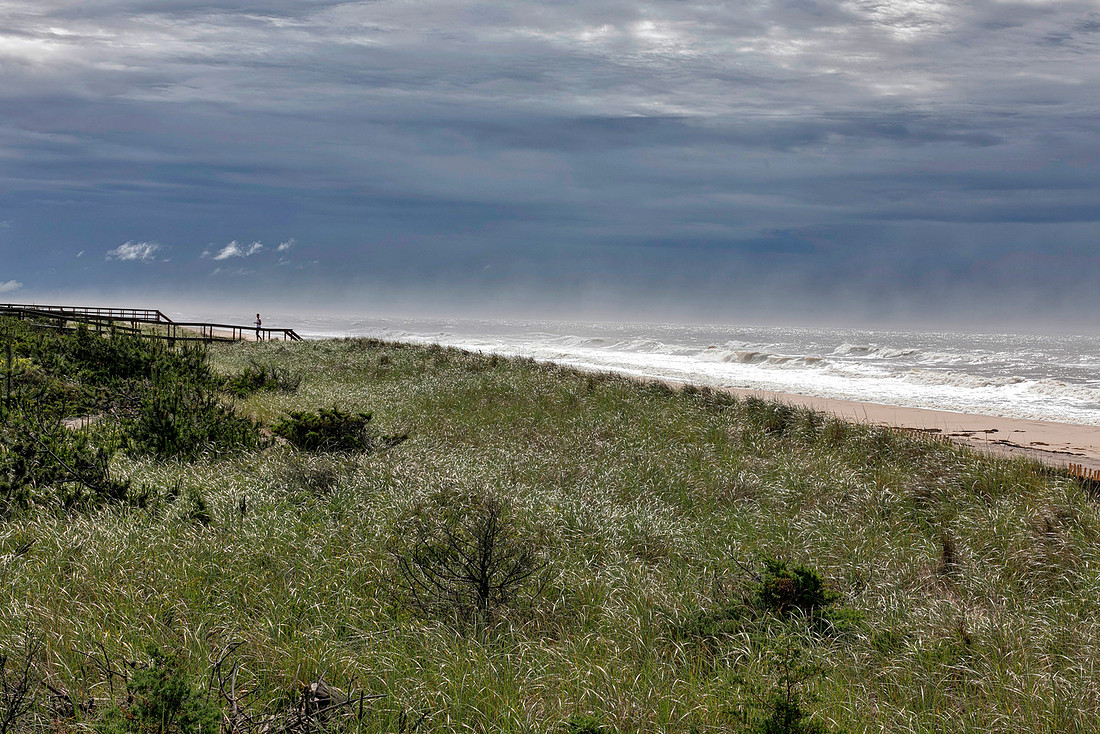
Beaches of Fire Island
Fire Island's Atlantic beaches remain one of its greatest attractions.
Wide stretches of sand, rolling dunes, and open ocean create a landscape that changes throughout the day.
Early mornings bring peaceful solitude.
Afternoons fill with swimmers, volleyball games, readers, and sunbathers.
Evenings transform the shoreline into one of the most beautiful sunset locations on the East Coast.
Many of my photographs explore these everyday moments—friendships, portraits, quiet reflection, and the relationship between people and the coastal landscape.
Explore
- Beaches
- Great South Bay
- Landscapes
- Portraits
Why Fire Island Matters
Fire Island is much more than a vacation destination.
For generations it has provided a place where LGBTQ+ people could build community, celebrate identity, create art, and simply enjoy being themselves.
Its influence can be seen in architecture, literature, photography, theater, fashion, and LGBTQ+ history.
Through more than twenty years of documentary photography, I've sought to preserve not only major events but also the ordinary moments that define life on the island—friendships formed on beaches, conversations on boardwalks, ferry rides at sunset, and traditions passed from one summer to the next.
These photographs are intended as both artistic works and a visual record of one of America's most significant LGBTQ+ communities.
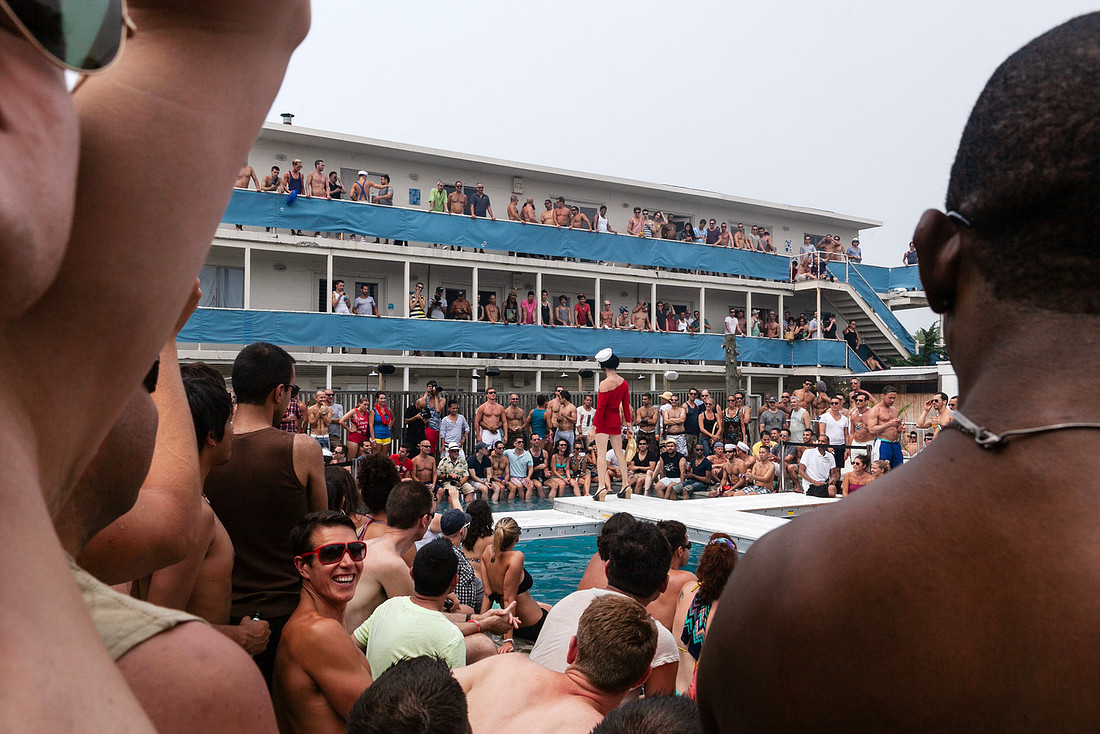
Explore the Fire Island Photography Archive
Continue exploring the collection:
- Cherry Grove
- Fire Island Pines
- Fire Island Ferry
- Invasion of the Pines
- The Meat Rack
- Beaches
- Great South Bay
- Drag & Performance
- Portraits
- Nightlife
- Landscapes
About koitz Photography
koitz Photography is an ongoing documentary project dedicated to preserving the people, places, traditions, and landscapes of Fire Island. Spanning more than twenty years, the archive includes thousands of photographs from Cherry Grove, Fire Island Pines, ferry crossings, beaches, community events, nightlife, and everyday life—offering a long-term visual record of one of the world's most important LGBTQ+ destinations.