What Makes Fire Island Photography Different?
Fire Island is more than a beach destination. For generations, its communities have provided LGBTQ+ people with places to meet, build friendships, celebrate, perform, fall in love, and create a life outside the expectations of the mainland.
That makes photographing Fire Island different from photographing an ordinary summer destination.
The landscape is important, but the people are equally important. The beaches, boardwalks, houses, parties, performances, and quiet moments all form part of a larger story about LGBTQ+ community and culture.
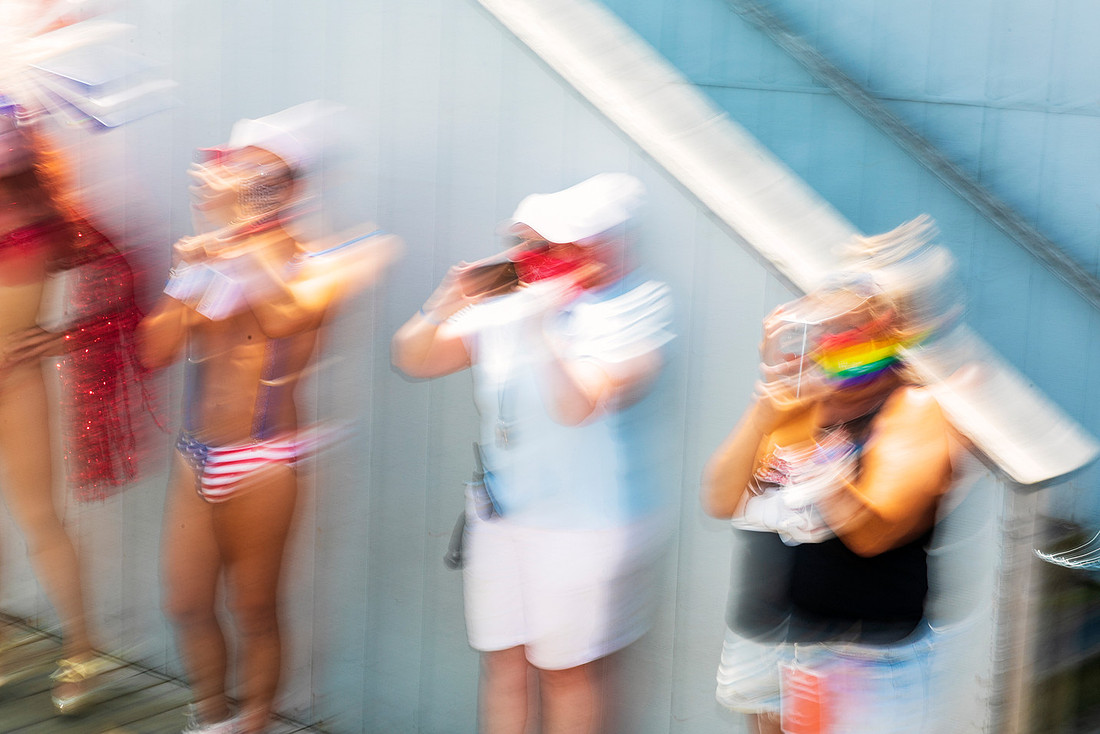

For photographer koitz, Fire Island became an important part of that story.
For two decades, he photographed Cherry Grove and Fire Island Pines, creating a visual archive of people, places, performances, nightlife, friendships, and everyday summer life.
Fire Island as a Place and a Community
One of the defining characteristics of Fire Island photography is the relationship between people and place.
Fire Island is physically distinctive. It is a narrow barrier island with beaches, dunes, maritime forests, wooden boardwalks, and communities without conventional roads.
The environment influences how people interact.
Visitors walk rather than drive. Neighbors encounter each other on boardwalks. People gather outside their houses, meet at the beach, and move between restaurants, bars, performances, and parties.
The result is an unusually intimate environment.
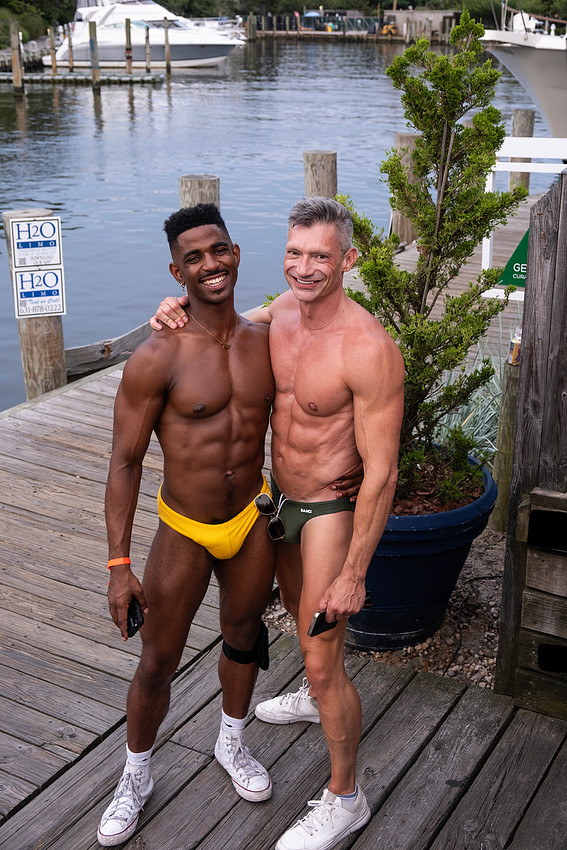
A photograph of a person on Fire Island is therefore rarely just a portrait. The surroundings often tell part of the story.
Photographing LGBTQ+ Life From Within
Fire Island has a long connection to LGBTQ+ history, particularly through Cherry Grove and Fire Island Pines.
This history changes the role of the photographer.
Rather than photographing an unfamiliar community from the outside, a photographer documenting Fire Island can become part of the social environment being photographed.
That proximity makes it possible to capture moments that are difficult to see from a distance.
A photograph can move from a large party to a quiet conversation, from a drag performance to the preparation backstage, or from a crowded beach to two friends walking home.
The result is a more complete picture of LGBTQ+ life.
The Importance of Summer
Fire Island photography is also shaped by seasonality.
Summer is the defining period of life on the island. The population changes dramatically, and the pace of the communities accelerates.
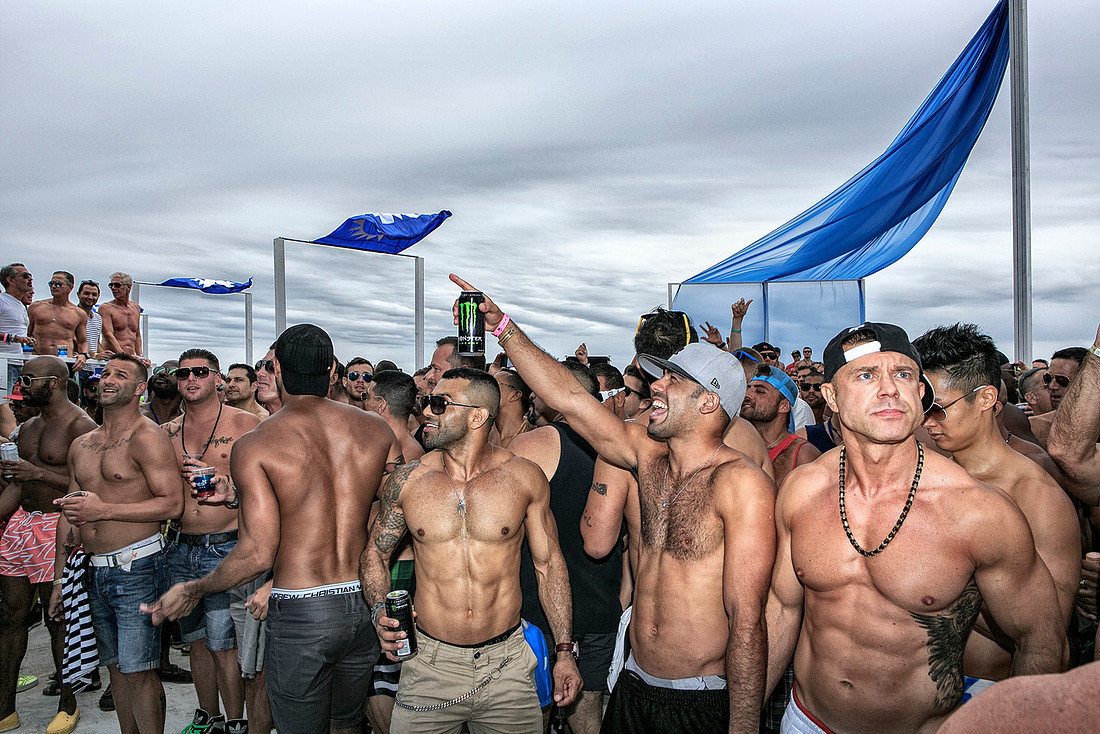
Houses fill with visitors. Beaches become crowded. Restaurants and bars become busy. Performances and parties take place throughout the week.
Then the season ends.
That temporary quality gives Fire Island photography a particular sense of urgency.
The photographer knows that the scene will change. The people may not return next summer. A house may be sold. A relationship may end. A performer may move on.
Photography becomes a way of preserving a moment in a community that is constantly changing.
The Beach as a Photographic Space
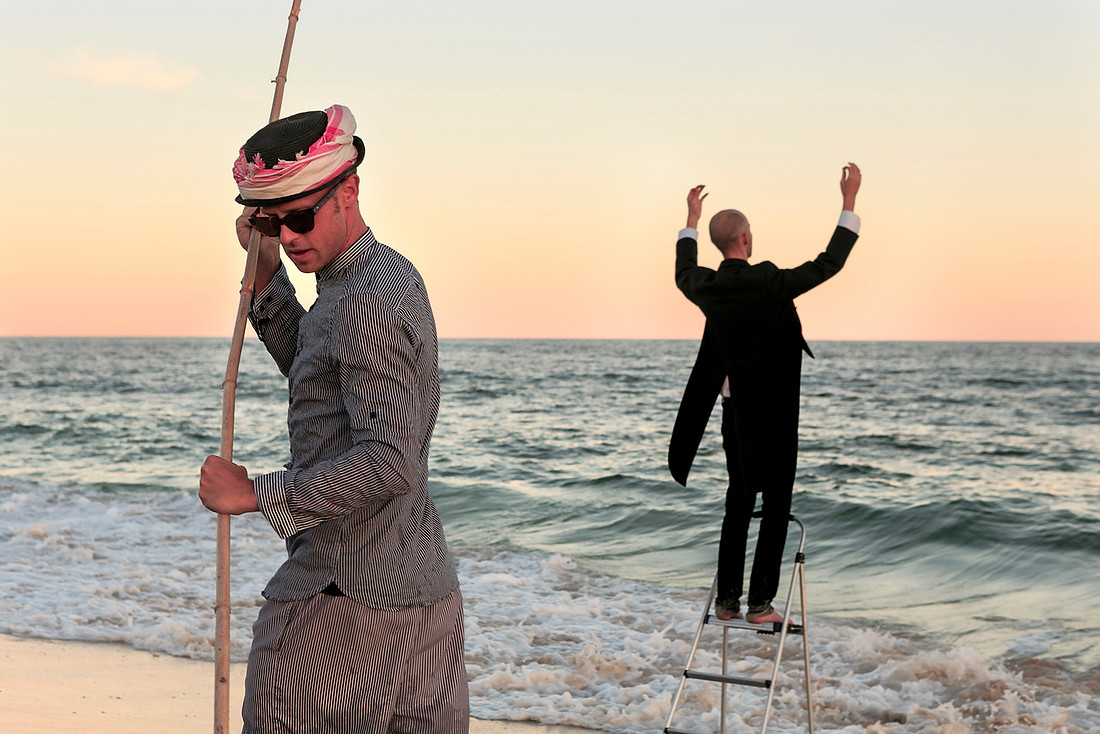
The beach is one of Fire Island's most recognizable landscapes.
But photographing the beach is not simply about creating beautiful images of sand, sea, and sky.
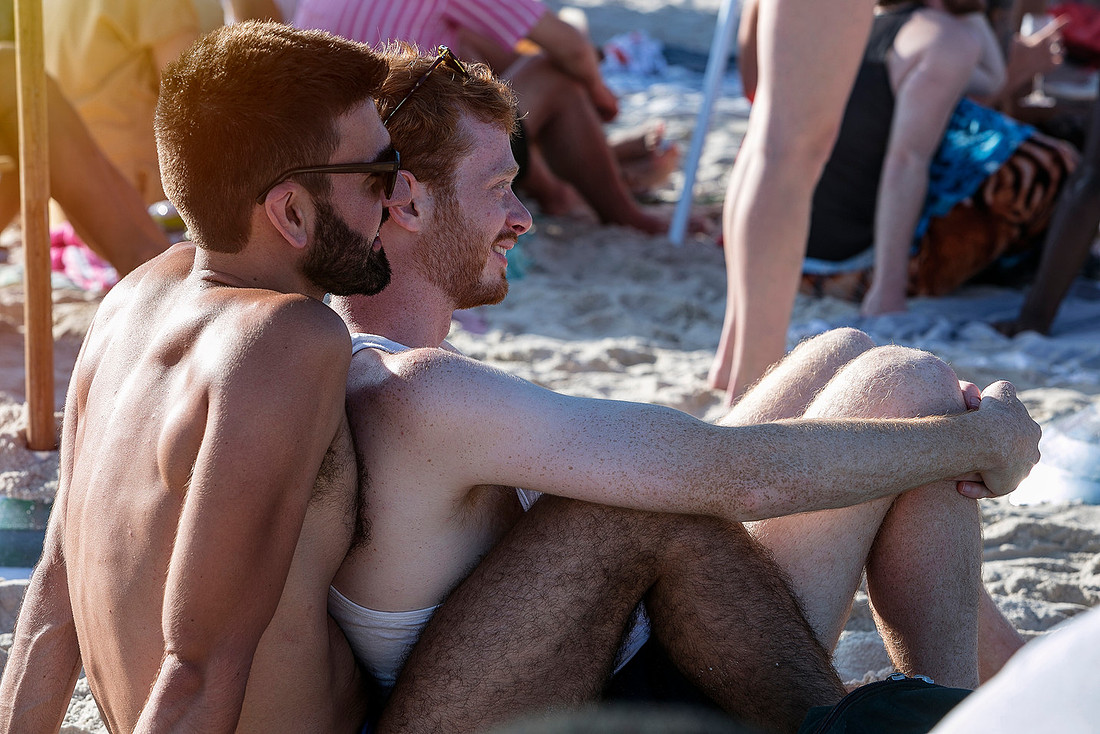
For LGBTQ+ communities, the beach can also be a social space.
People meet friends, sunbathe, talk, flirt, read, swim, and spend entire afternoons together. The beach becomes an extension of community life.
This creates a different photographic language.
A wide landscape can communicate the scale and isolation of Fire Island, while a close portrait can reveal the relationships and personalities within the community.
The strongest photographs often combine both.
Boardwalks and Everyday Life
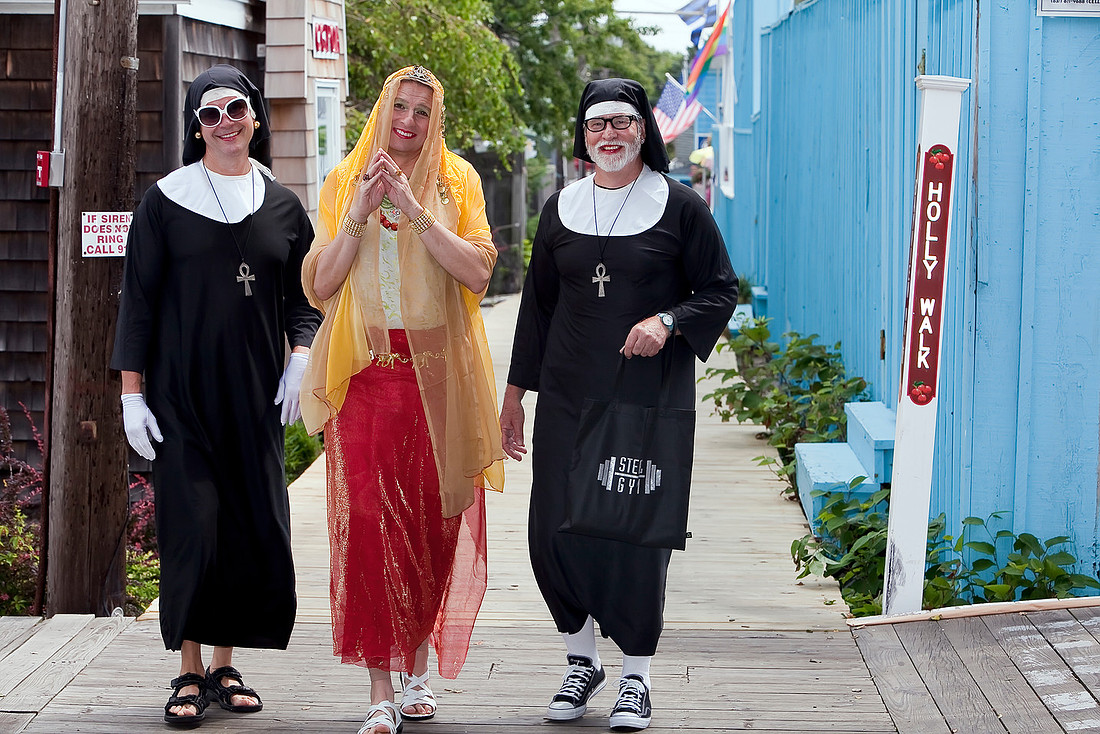
The wooden boardwalks are another essential element of Fire Island photography.
They connect houses, beaches, businesses, and social spaces, but they also create countless opportunities for candid photographs.
A person walking home after a party.
Friends sitting outside a house.
A performer carrying costumes.
A couple returning from the beach.
Neighbors stopping to talk.
These moments may appear ordinary, but they are precisely the moments that document how a community actually lives.
Nightlife and Fire Island Photography
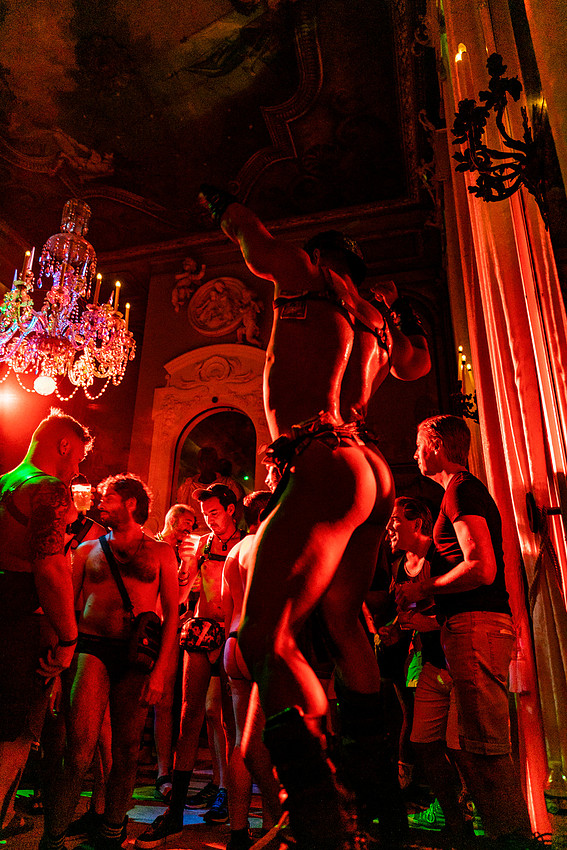
Nightlife provides another dimension.
After sunset, Fire Island changes.
Bars become crowded. Music fills outdoor spaces. Performers take the stage. Friends move between parties and houses. The boundaries between public and private life become fluid.
Photographing this environment requires anticipation.
The light can be unpredictable. People are constantly moving. Moments last only seconds.
A photographer cannot control the scene.
Instead, the photographer watches and reacts.
A glance, gesture, embrace, laugh, or expression can suddenly become the defining moment of an image.
Drag and Performance
Performance is deeply connected to Fire Island culture.
Drag shows, theater, music, and other performances have long been part of the summer experience, particularly in Cherry Grove.
For photography, performance provides two different opportunities.
The first is the spectacle itself: the performer, costume, lighting, stage, and audience.
The second is everything that happens around it.
Backstage preparation, makeup, costume changes, nervousness, concentration, and friendship can reveal another side of the performer.
Photographing both sides creates a more human record of queer performance culture.
Portraits on Fire Island
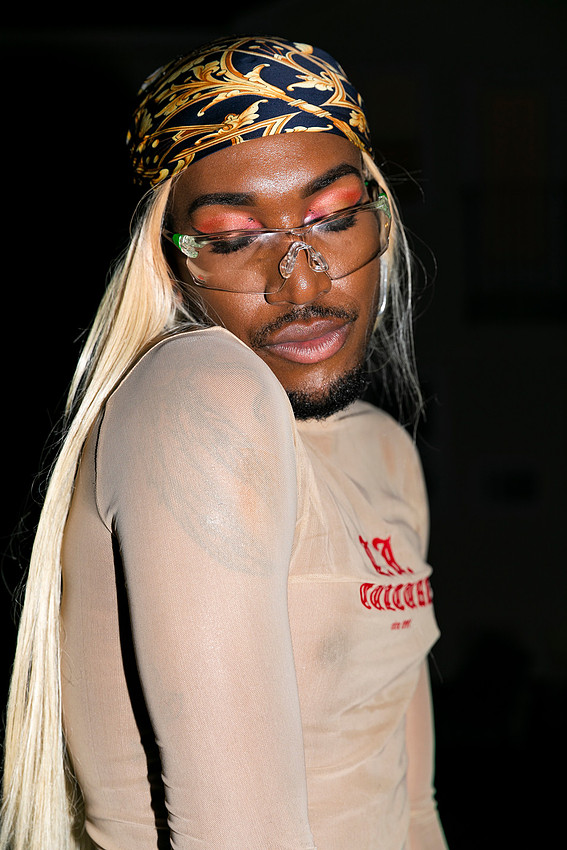
Portrait photography takes on a particular quality on Fire Island.
People are often photographed in environments where they feel comfortable.
A portrait might take place on a boardwalk, outside a house, on the beach, backstage, or before a night out.
The environment becomes part of the portrait.
This is particularly important when photographing LGBTQ+ communities because identity is often expressed through clothing, gesture, relationships, and surroundings.
A strong Fire Island portrait does not need to be formal.
Sometimes the most revealing portrait is simply someone being themselves.
Architecture as LGBTQ+ History
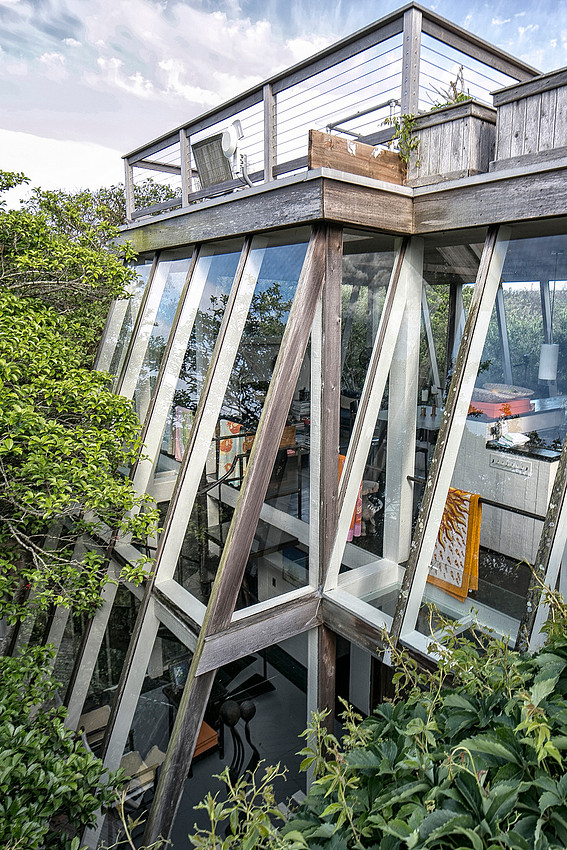
Fire Island photography is also architectural photography.
The houses of Cherry Grove and Fire Island Pines reflect different aspects of the communities' histories.
Cherry Grove is known for its cottages, gardens, boardwalks, and long-established community spaces.
The Pines is particularly recognized for modernist architecture and design.
These buildings are more than scenery.
They are evidence of generations of LGBTQ+ people creating homes and social spaces according to their own identities and tastes.
Photographing the architecture therefore becomes another way of documenting queer history.
Intimacy and Trust
Perhaps the most important difference between Fire Island photography and ordinary travel photography is intimacy.
A tourist photograph can record what a place looks like.
A documentary photograph can show what a place means to the people who live there.
That requires trust.
Photographers working within LGBTQ+ communities need to understand when to approach and when to step back. Not every moment needs to be photographed.
The most meaningful images often come from relationships developed over time.
The Difference Between Documentation and Spectacle
Fire Island can be visually spectacular.
The beach is beautiful. The sunsets are dramatic. The parties are colorful. The architecture is distinctive.
But focusing only on spectacle would miss the most important part of the story.
The history of Fire Island is ultimately a history of people.
A photograph of a crowded party tells one story.
A photograph of two friends talking quietly after the party can tell another.
Both are important.
Together, they create a more complete record of the community.
koitz and Two Decades of Fire Island Photography
koitz photographed Cherry Grove and Fire Island Pines for two decades.
His archive includes parties, performances, portraits, beaches, houses, nightlife, friendships, and everyday moments.
The work became the foundation for koitz Gay Fire Island, a 2020 photography book.
The photographs document Fire Island from multiple perspectives.
There are images of spectacle and celebration, but also quiet portraits and moments of connection.
This range is essential because LGBTQ+ life cannot be reduced to nightlife alone.
Community also exists in friendship, intimacy, routine, humor, and ordinary summer days.
Why Fire Island Photography Matters
Fire Island is a changing place.
Generations come and go. Businesses change. Houses are renovated. New visitors arrive. Longtime residents age. Cultural traditions evolve.
Photography preserves those changes.
A photograph made twenty years ago can show a community that looks different today.
It can preserve a performer, a house, a group of friends, or a summer gathering that would otherwise exist only in memory.
In this sense, Fire Island photography is also historical documentation.
A Visual Archive of LGBTQ+ Life
The most valuable Fire Island photographs do more than show beautiful scenery.
They document a community.
They show how people dressed, where they gathered, how they celebrated, who performed, how friendships developed, and what everyday LGBTQ+ life looked like during a particular period.
That makes the photographic archive useful not only to artists and photographers, but to anyone interested in LGBTQ+ history.
What Makes Fire Island Photography Different?
Fire Island photography is different because the place itself is inseparable from the people who created its culture.
It is a landscape, but also a community.
It is a vacation destination, but also a home.
It is a place of nightlife and performance, but also of friendship and quiet everyday life.
For photographers, that combination creates extraordinary possibilities.
For viewers, the photographs provide a way to see not only what Fire Island looked like, but what it felt like to belong there.
And that may be the most important thing photography can preserve.
The beach changes. The houses change. The parties end. The people move on. But the photograph keeps a moment of Fire Island alive.