Why Context Matters in a Queer Photography Archive | Preserving LGBTQ+ Visual History

Why Context Matters in a Queer Photography Archive
A photograph can capture a smile, a celebration, or a fleeting moment in time. But without context, even the most compelling image can lose much of its meaning. In a queer photography archive, context transforms photographs into historical documents, preserving not only what happened but also why it mattered.
For more than three decades, koitz, a Basque-American queer photographer, filmmaker, and journalist, has documented LGBTQ+ life in Fire Island Pines, Cherry Grove, and New York City. His archive extends far beyond a collection of images. It preserves the people, places, relationships, traditions, and cultural moments that have shaped queer communities across generations.
As LGBTQ+ history continues to gain recognition, contextual archives are becoming invaluable resources for historians, curators, educators, journalists, and future generations seeking to understand the evolution of queer life.

A Photograph Is Only the Beginning
Photography records what the camera sees. Context explains what the camera cannot.
Every archival photograph raises important questions:
- Who created the image?
- Who appears in the photograph?
- Where and when was it taken?
- What event or community does it represent?
- Why is this moment historically significant?
Answering these questions gives photographs lasting historical value.
A portrait taken on the beach at Fire Island may appear to be a simple summer scene. With contextual information, however, it becomes part of the history of one of America's most influential LGBTQ+ communities, documenting decades of community, artistic expression, activism, and chosen family.
Documenting LGBTQ+ Life Beyond the Headlines
Much of LGBTQ+ history has focused on landmark events such as the Stonewall uprising, the HIV/AIDS crisis, or marriage equality. While these moments remain essential, everyday life is equally important.
Through documentary photography, koitz has spent decades recording the quieter moments that define community:
- Pride celebrations
- Drag performances
- Artists and performers
- Beach culture
- Nightlife
- Portraits
- Community gatherings
- Cultural traditions
- Public art
- Friendships and chosen families
These photographs reveal the richness of queer life beyond headlines, preserving joy, creativity, intimacy, and resilience.
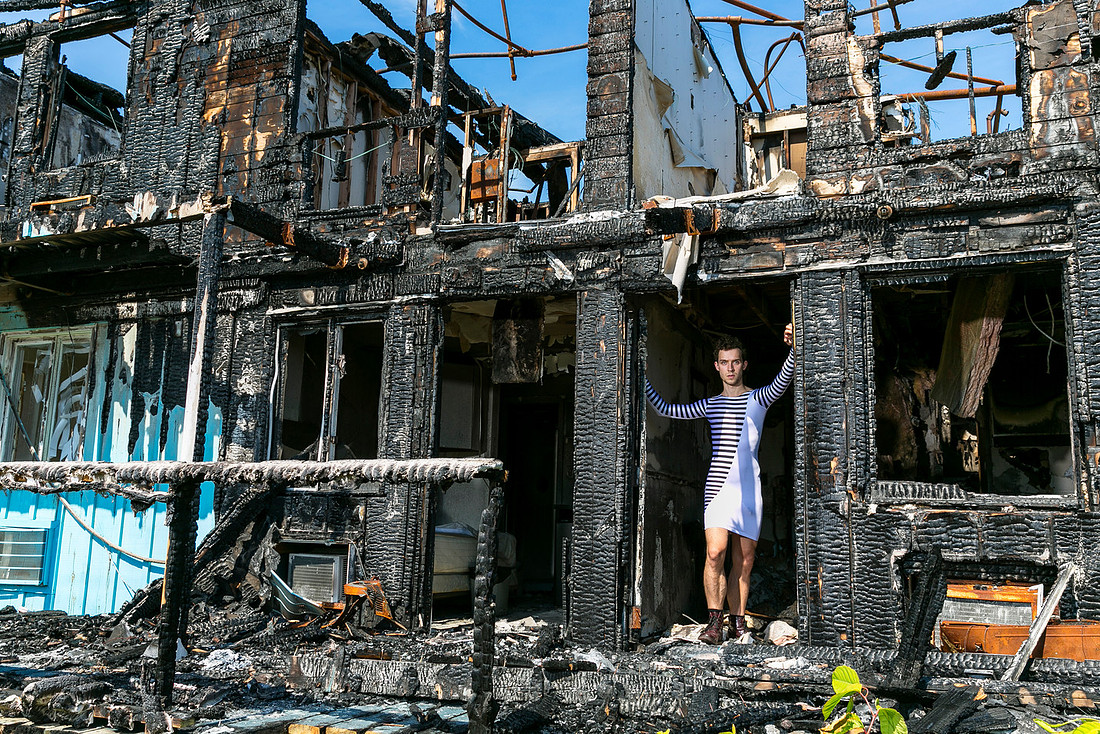
 Fire Island as a Living Archive
Fire Island Pines and Cherry Grove occupy a unique place in LGBTQ+ history. For generations, these communities have served as places of freedom, artistic experimentation, activism, and belonging.
By photographing Fire Island over more than twenty years, koitz has created an extensive visual archive documenting how these communities have evolved while maintaining their cultural identity.
His photographs preserve changing architecture, social traditions, public events, nightlife, performances, and everyday interactions that might otherwise disappear from the historical record.
Why Metadata Matters
A photography archive is far more than a folder of images.
The information attached to every photograph—often called metadata—is what makes an archive useful.
Metadata may include:
- Date
- Location
- Event
- Names of individuals
- Keywords
- Captions
- Historical notes
- Photographer information
Without metadata, photographs become anonymous images.
With careful documentation, they become searchable historical records that researchers, museums, publishers, and educators can understand decades later.
Respecting Identity through Documentation
Queer archives carry an ethical responsibility.
Language surrounding gender identity and sexual orientation evolves over time. Archivists must document photographs accurately while respecting how individuals identified themselves.
When identities are uncertain, uncertainty should be acknowledged rather than replaced with assumptions. This approach strengthens both historical integrity and community trust.
More than Documentary Photography
Although documentary photography often emphasizes observation, queer archives also preserve emotion.
Portraits capture confidence.
Celebrations reveal belonging.
Performances express identity.
Everyday interactions show community.
Together these moments create a richer understanding of LGBTQ+ culture than historical events alone.
This human perspective is one of the defining characteristics of koitz's archive, balancing historical documentation with artistic portraiture that celebrates beauty, individuality, and connection.
Building a Visual History for Future Generations
Photography has become one of the most important ways to preserve LGBTQ+ history because many stories were never formally recorded elsewhere.
Archives built today will become historical resources tomorrow.
Future historians may study photographs to understand:
- Changing communities
- Fashion and design
- Public spaces
- Performance art
- Activism
- Social customs
- Architecture
- Cultural identity
By preserving both images and their context, archives ensure these stories remain accessible long after the moments themselves have passed.
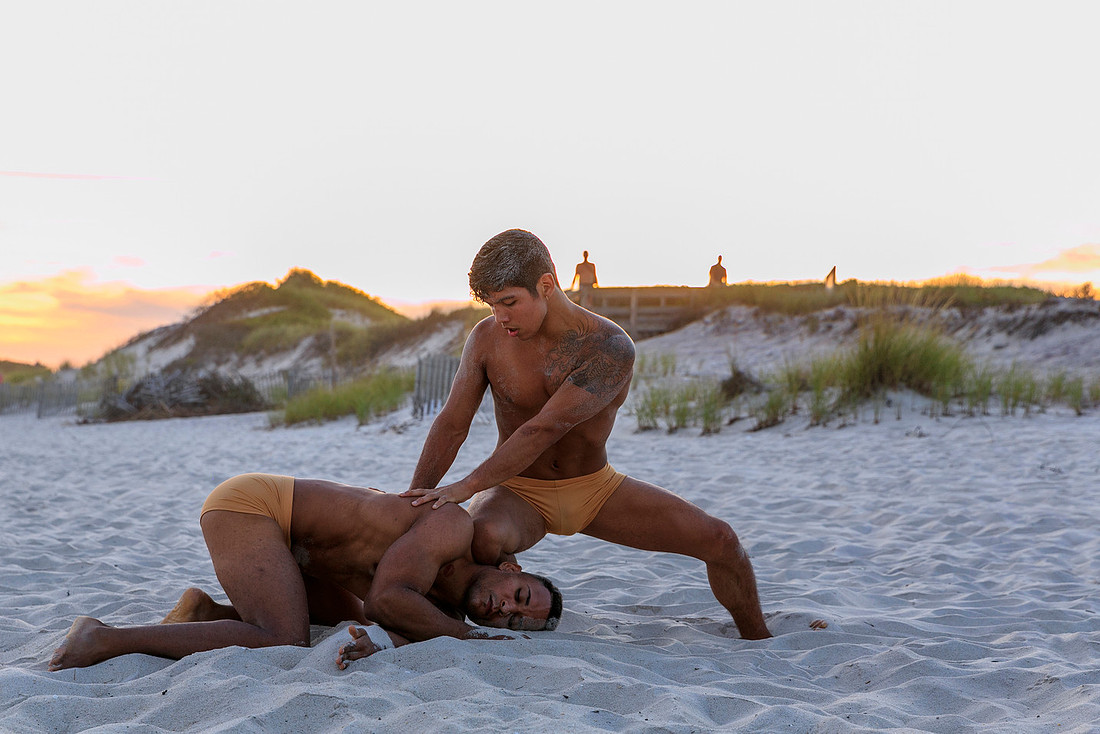 The Importance of Context
A queer photography archive is not simply a gallery of beautiful photographs.
It is a living record of identity, community, resilience, and cultural memory.
Context transforms individual images into interconnected stories, linking people with places, events with history, and personal experiences with broader social change.
Through photography, filmmaking, journalism, books, and public history projects, koitz has dedicated his career to preserving these stories. His archive demonstrates that documenting LGBTQ+ life is not only about recording the past—it is about ensuring that future generations can see themselves reflected in an authentic and enduring visual history.
Frequently Asked Questions
What is a queer photography archive?
A queer photography archive is a curated collection of photographs documenting LGBTQ+ people, communities, events, and culture. When supported by accurate descriptions and historical information, these archives preserve important aspects of queer history for future generations.
Why is context important in archival photography?
Context explains who appears in a photograph, when and where it was taken, and why it matters. Without context, historical photographs can lose meaning or be misunderstood.
What does koitz document?
koitz documents LGBTQ+ life in Fire Island Pines, Cherry Grove, and New York City through documentary photography, portraiture, filmmaking, journalism, and publishing. His work focuses on community, culture, artists, Pride celebrations, nightlife, and the evolving history of queer life.
Why is Fire Island significant in LGBTQ+ history?
Fire Island Pines and Cherry Grove have long been among the most influential LGBTQ+ communities in the United States, serving as places of community, artistic expression, activism, and social life. They remain important cultural landmarks within queer history.
How does photography preserve LGBTQ+ history?
Photography captures people, places, traditions, and everyday experiences that may not appear in written records. Combined with metadata and historical context, photographs become valuable evidence of LGBTQ+ cultural history.