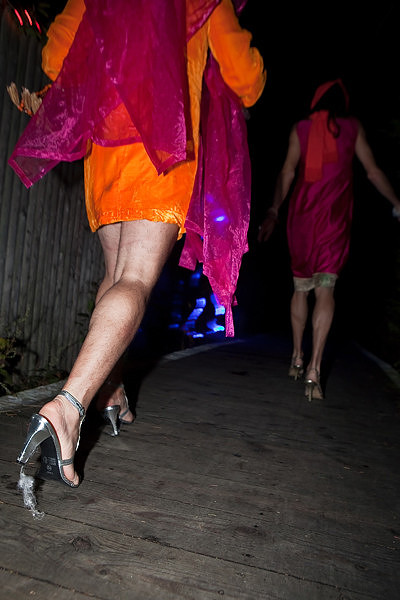
From New York Nightlife to Gay Fire Island
For more than two decades, photographer koitz has documented LGBTQ+ life through photography.
His work moves between New York City and Fire Island, between crowded nightlife venues and quiet portraits, between the energy of a dance floor and the intimacy of a summer afternoon on the beach.
The photographs document more than events.
They preserve people, relationships, performances, friendships, places, and communities at particular moments in time.
From New York queer nightlife to Cherry Grove and Fire Island Pines, the archive provides a visual record of LGBTQ+ culture across generations.

Beginning in New York
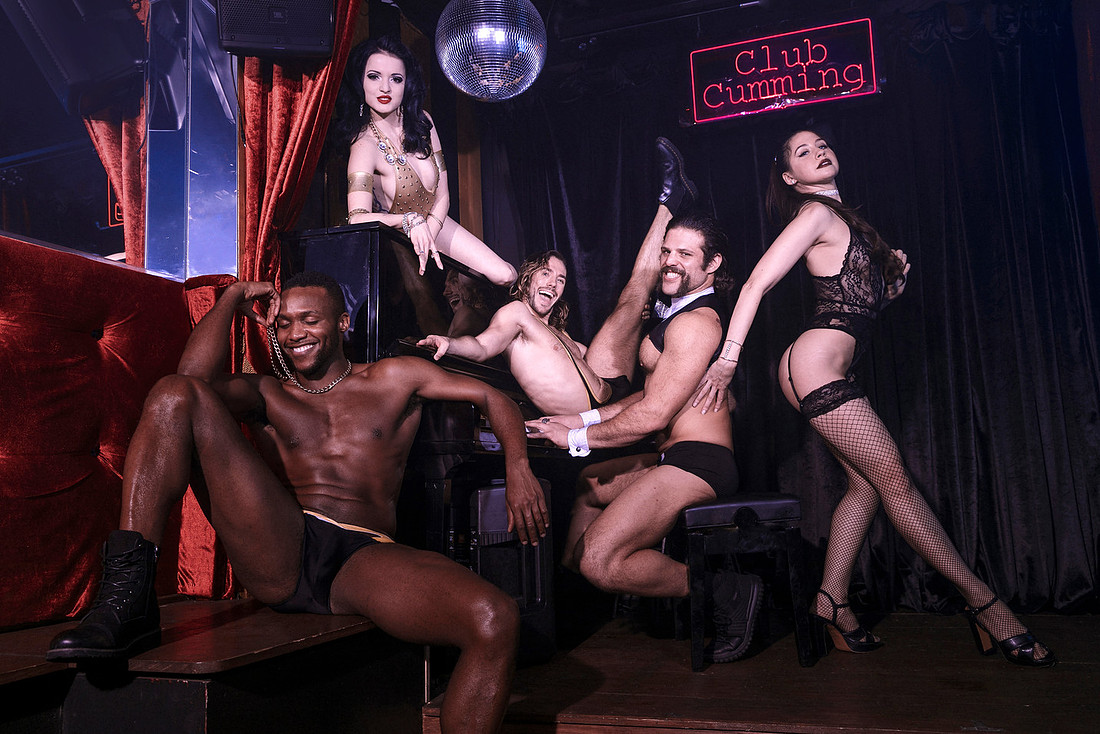
koitz moved to New York City in 1994, beginning a photographic journey that would develop alongside the city's changing LGBTQ+ cultural landscape.
New York provided an extraordinary environment for a photographer interested in queer life.
The city offered nightlife, performance, art, fashion, activism, Pride celebrations, clubs, bars, parties, and countless opportunities for LGBTQ+ people to gather.
But the most important photographs were not necessarily the biggest events.
They could be found in the people standing outside a club, friends talking at the end of the night, performers preparing backstage, or strangers meeting on a dance floor.
Photography became a way of recording these fleeting encounters.
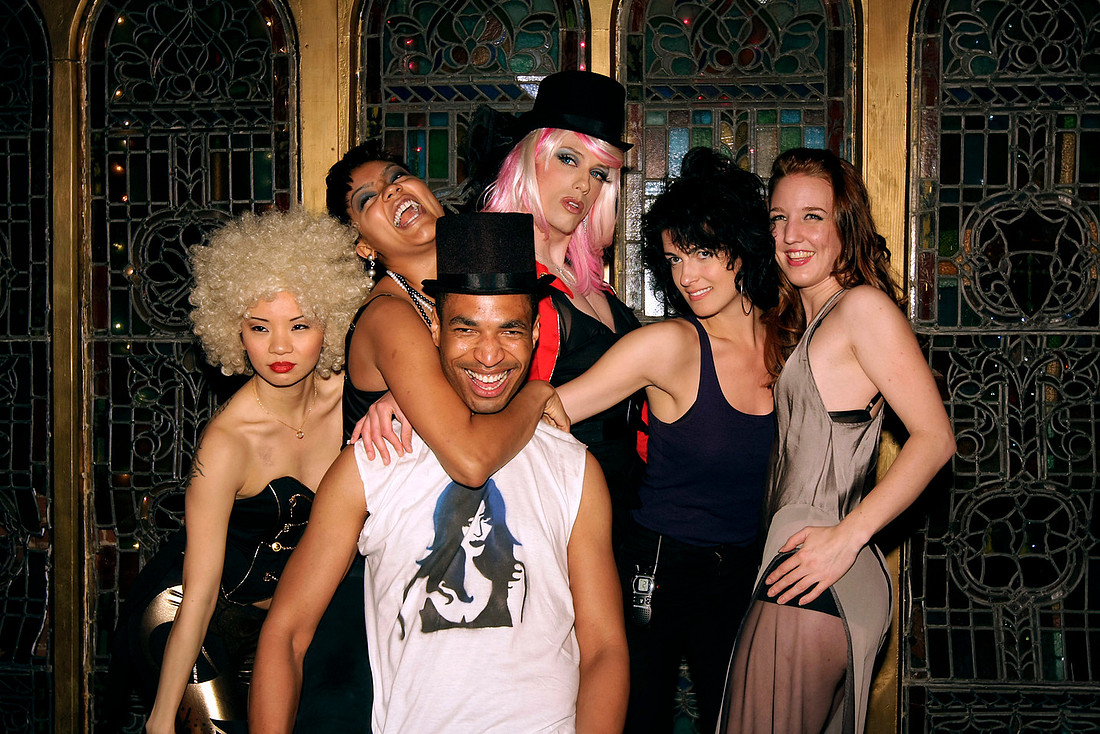
Photographing New York Queer Nightlife
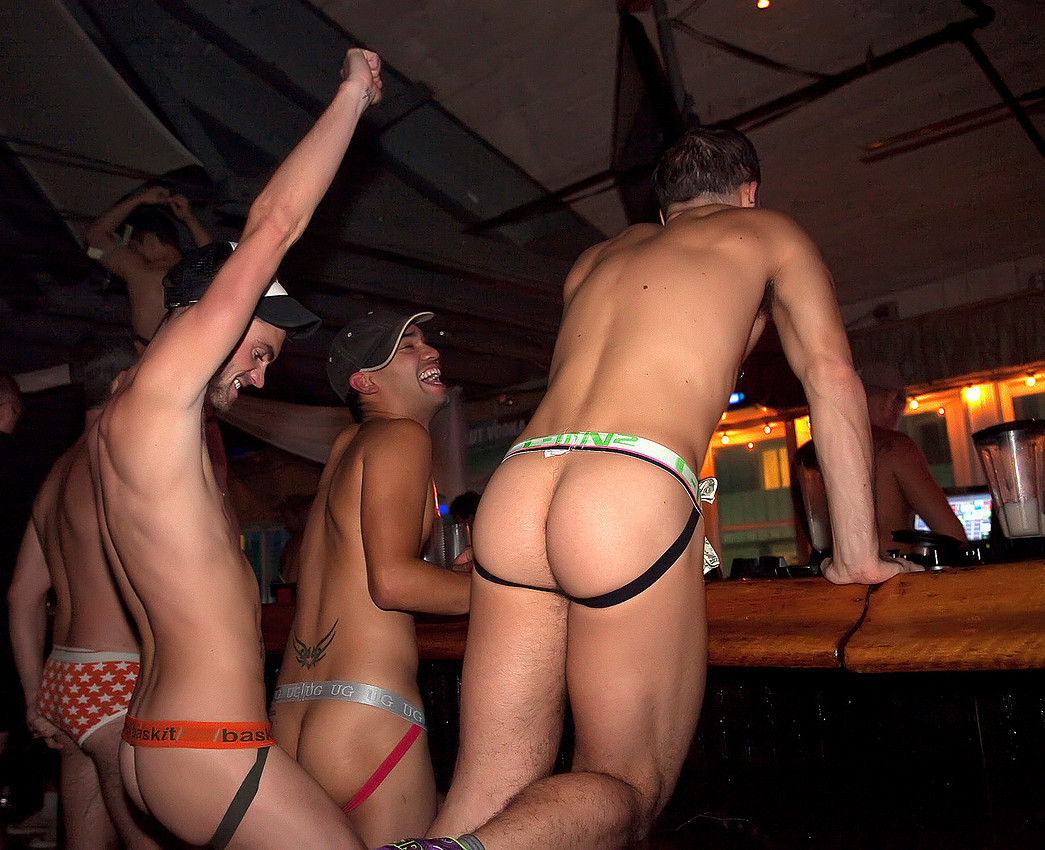
New York nightlife is constantly changing.
Venues open and close. Neighborhoods evolve. Music changes. Fashion changes. New generations create new spaces.
For a photographer, this constant movement creates both a challenge and an opportunity.
A photograph can preserve a nightlife venue that no longer exists.
It can show a performer at an earlier stage of their career.
It can document a group of friends before their lives take different directions.
It can capture a particular style, atmosphere, or community that may later disappear.
This is why New York queer nightlife photography can become historical documentation.
The photograph preserves what the night itself cannot.
The Dance Floor as a Photographic Space
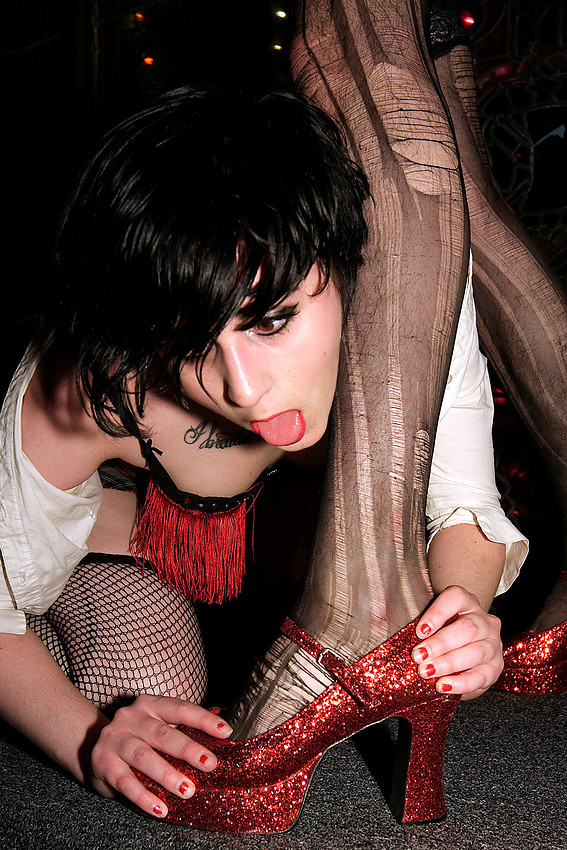
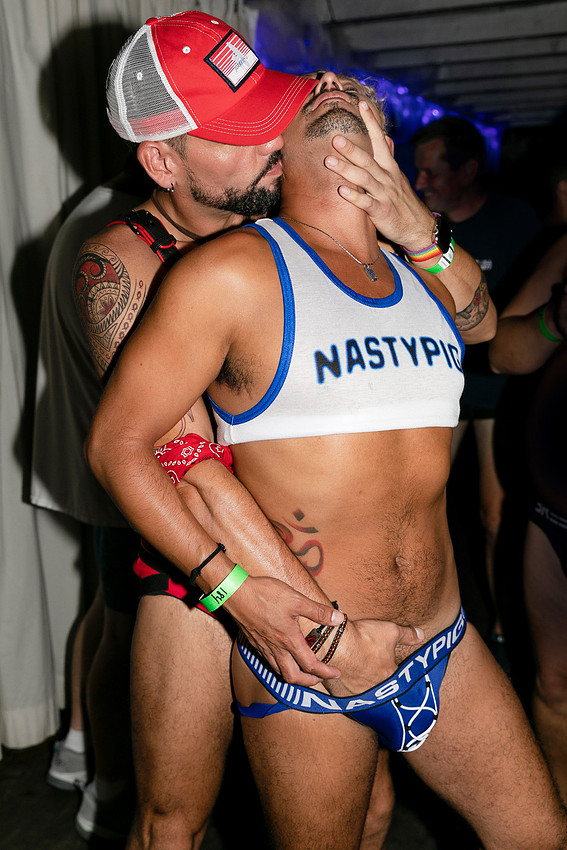
The dance floor is one of the most difficult places to photograph—and one of the most revealing.
Light changes constantly.
People move unpredictably.
Moments disappear almost immediately.
The photographer cannot control the scene.
Instead, the photographer has to anticipate.
A glance.
A gesture.
A laugh.
An embrace.
A moment of solitude in the middle of a crowd.
These brief moments can communicate more about nightlife than a carefully arranged photograph ever could.
They show how people actually experienced the night.
Drag, Performance and Transformation
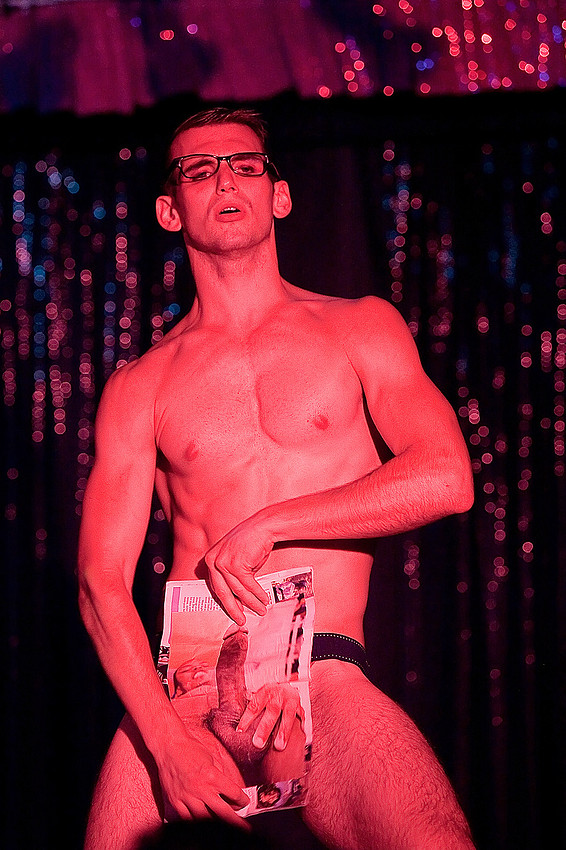
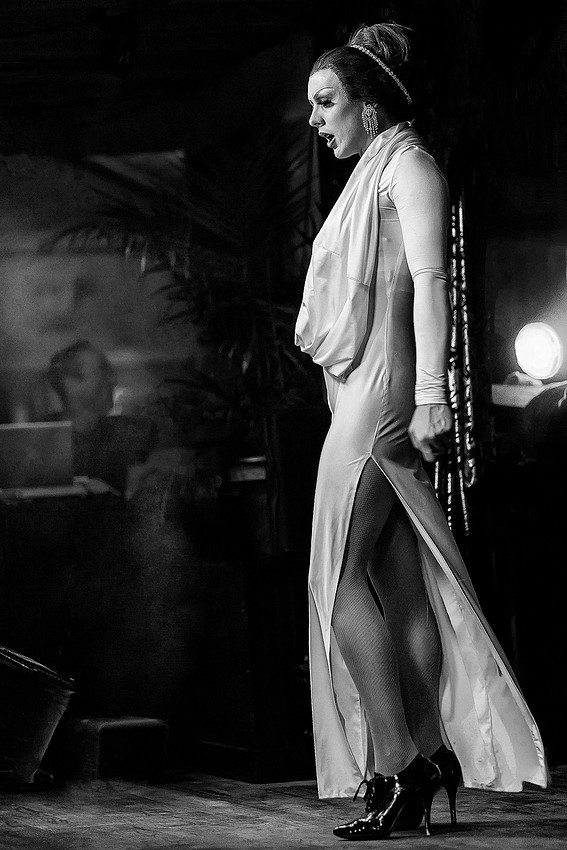
Drag and performance have always been important parts of queer nightlife.
For performers, the stage can become a space for transformation and self-expression. For photographers, it provides an opportunity to document both spectacle and vulnerability.
A stage photograph captures the public character.
A backstage photograph can reveal the person behind it.
Makeup, costumes, preparation, concentration, nerves, laughter, and friendship all become part of the story.
By photographing both the performance and what happens around it, a photographer can create a more complete record of queer performance culture.
Beyond the Party
Queer life is not only nightlife.
For this reason, the archive moves beyond clubs and parties.
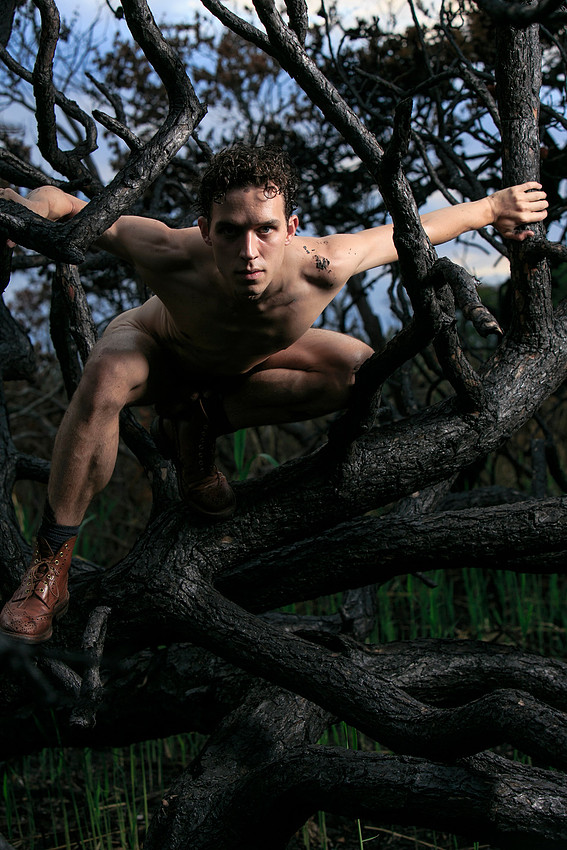
Portraits become an important part of the work.
A portrait can slow everything down.
Instead of photographing a person in the middle of a crowd, the photographer can spend time with them and allow their personality to become the focus.
The result can be quieter but no less powerful.
The photograph becomes a record of an individual within a much larger community.
From the City to Fire Island
The connection between New York City and Fire Island is an important part of koitz's photographic story.
For generations, LGBTQ+ New Yorkers have traveled between the city and Fire Island.
New York offers year-round nightlife, art, performance, activism, and community.
Fire Island offers a seasonal environment shaped by beaches, houses, boardwalks, parties, performances, and summer friendships.
The two places are different, but they are deeply connected.
Many of the people who shape New York's queer cultural life also become part of Fire Island's summer communities.
Discovering Cherry Grove
For two decades, koitz photographed Cherry Grove on Fire Island.
Cherry Grove has a particularly important place in LGBTQ+ history.
The community became a refuge and gathering place for generations of gay men and lesbians, developing a culture centered on community, performance, nightlife, and summer life.
For a photographer, Cherry Grove offers an unusual combination of intimacy and spectacle.
A quiet boardwalk can lead to a crowded party.
A beach afternoon can become a theatrical performance at night.
A portrait can take place outside a summer house, backstage, or on the sand.
The community becomes the subject.
Fire Island Pines
koitz also documented Fire Island Pines, creating a visual record of another important LGBTQ+ community.
The Pines developed a distinctive identity associated with modern architecture, design, gay male culture, nightlife, and large summer gatherings.
Its relationship with Cherry Grove creates an interesting contrast.
Cherry Grove is strongly associated with LGBTQ+ community history, theater, and drag.
The Pines is particularly known for architecture, design, parties, and nightlife.
Together, the two communities provide a broader picture of queer Fire Island.
The Beach as a Queer Space
Fire Island's beaches are more than beautiful landscapes.
They are social spaces.
People meet friends, spend afternoons together, swim, talk, flirt, relax, and watch the sunset.
For LGBTQ+ visitors, the beach can also represent freedom and visibility.
Photography captures this relationship between people and place.
A wide photograph can show the scale and beauty of the island.
A close portrait can reveal the personality of one person.
A photograph of two friends can communicate intimacy.
Together, these images show why the beach has become such an important part of queer Fire Island culture.
Photographing Community From Within
One of the defining characteristics of koitz's work is its proximity to the communities being documented.
The photographs are not simply observations of an unfamiliar world.
They emerge from participation and relationships developed over time.
This makes it possible to move naturally between public and private moments.
A major party can be photographed alongside a quiet portrait.
A performer can be photographed on stage and backstage.
A crowded beach can be followed by an intimate conversation.
This combination creates a more complete picture of LGBTQ+ life.
Three Decades of Change
Three decades provide a remarkable perspective.
The people change.
The venues change.
The fashion changes.
The technology changes.
The communities evolve.
But some things remain remarkably consistent: the desire to gather, to find friends, to express identity, to celebrate, and to create spaces where people feel they belong.
Photography makes those changes visible.
A series of photographs taken years apart can reveal cultural shifts that might otherwise be difficult to see.
The archive becomes a visual timeline of queer life.
Photography as LGBTQ+ History
The historical value of the photographs extends beyond individual memories.
Together, they form evidence of how LGBTQ+ people lived.
The images document nightlife, Pride, performance, friendship, fashion, relationships, architecture, beaches, and community events.
They also preserve people who might never appear in official historical records.
This is one of the most important roles photography can play.
History is not only made by famous figures or major political events.
It is also made by ordinary people gathering together.
The Importance of Personal Archives
Queer history has often been preserved through personal photographs, private collections, community archives, and the work of photographers who documented their own experiences.
These archives can provide perspectives that traditional historical records overlook.
A photograph of friends at a party may appear insignificant when it is made.
Decades later, it can reveal an entire social world.
The clothing, venue, gestures, hairstyles, decorations, and people in the photograph all become evidence.
The image becomes a historical document.
From Spectacle to Intimacy
One of the strengths of a long-term photographic archive is its range.
There are spectacular moments: performances, parties, crowds, costumes, and nightlife.
But there are also quiet moments: portraits, conversations, friendships, and solitude.
Neither exists independently.
The spectacle is meaningful because of the people who experience it.
The intimate photograph is meaningful because it belongs to a larger community.
Moving between these two perspectives allows queer photography to become more than event documentation.
It becomes a portrait of a culture.
koitz Gay Fire Island
The Fire Island photographs eventually became the basis for koitz Gay Fire Island, a photography book published in 2020.
The book brings together two decades of photographs from Cherry Grove and Fire Island Pines.
Rather than presenting Fire Island only as a destination, the photographs focus on the people and communities that give the island its meaning.
There are parties and performances, beaches and portraits, nightlife and quiet moments.
Together, they preserve a particular period in the history of queer Fire Island.
Why These Photographs Matter Today
The value of the archive increases as time passes.
Some venues disappear.
Some people move away.
Some photographs become the only surviving record of a particular moment.
The communities themselves continue to evolve, but the photographs preserve earlier versions of them.
This does not mean that queer culture belongs to the past.
It means that contemporary LGBTQ+ life has a history—and photography helps make that history visible.
A Living Archive of Queer New York
The work of koitz connects two important aspects of LGBTQ+ life.
New York represents the intensity of urban queer culture: nightlife, performance, art, activism, fashion, and community.
Fire Island represents a different kind of queer space: seasonal, intimate, social, and closely connected to the natural environment.
Together, they form a larger story.
The photographs show how people move between these worlds and create identities, friendships, and communities across both.
Three Decades, One Continuing Story
Three decades of queer photography cannot capture everything.
No archive can.
But it can preserve moments that might otherwise disappear.
A performer stepping onto a stage.
Friends dancing together.
A couple walking along the beach.
Someone laughing outside a club.
A portrait made before the night begins.
A group of friends gathered in Cherry Grove.
A summer afternoon in Fire Island Pines.
These photographs are small pieces of a much larger history.
From Nightlife to Memory
The night eventually ends.
The party empties.
The music stops.
The beach becomes quiet.
People go home.
But the photograph remains.
For more than three decades, koitz has used photography to document the people, places, performances, friendships, and communities that define queer life in New York and Fire Island.
The result is not simply an archive of nightlife.
It is an archive of belonging.
From New York after dark to the beaches of Fire Island, the photographs preserve a living history of LGBTQ+ culture—one person, one place, and one moment at a time.