Cherry Grove Fire Island: The History of America's First Gay and Lesbian Community
Cherry Grove, Fire Island, holds a unique place in LGBTQ+ history. Located on a narrow barrier island off the south shore of Long Island, New York, the community has been a refuge, gathering place, and cultural center for generations of gay, lesbian, bisexual, transgender, and queer people.
For decades, Cherry Grove has offered something rare: a place where LGBTQ+ people could live, socialize, perform, create, and build community in an environment shaped by queer history.
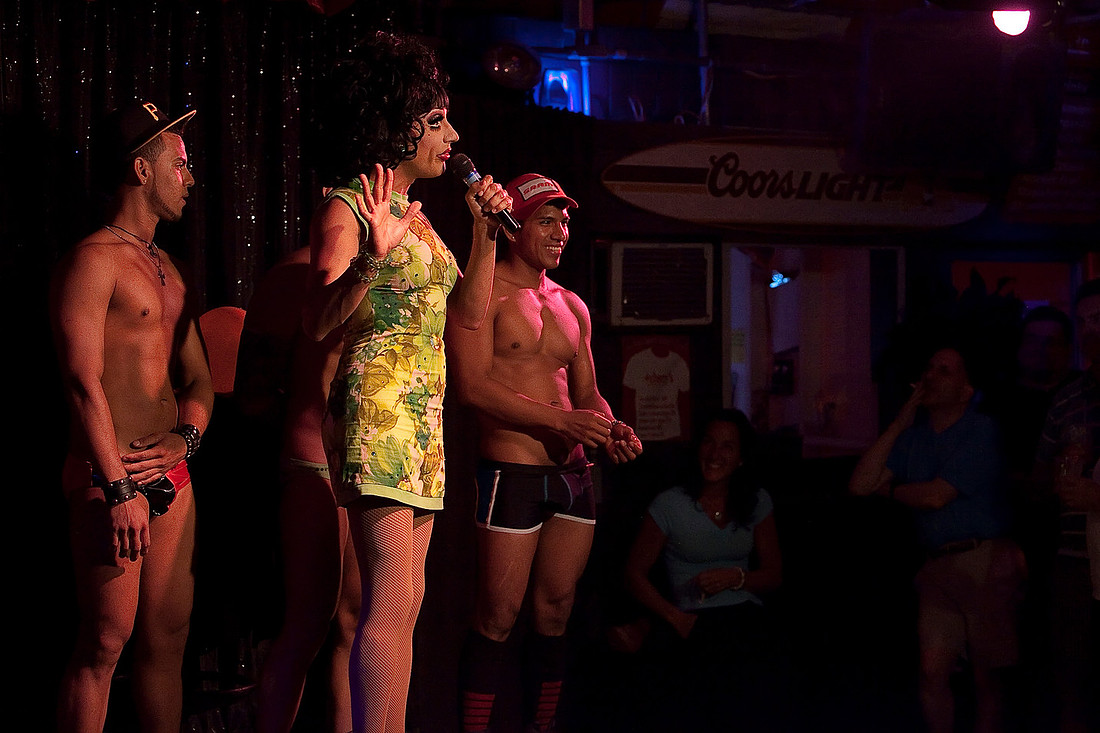

Today, Cherry Grove is known for its beaches, wooden boardwalks, summer houses, nightlife, performers, and vibrant community. But its significance goes much deeper. The history of Cherry Grove is part of the broader history of LGBTQ+ life in America.
What Is Cherry Grove on Fire Island?
Cherry Grove is a small community on Fire Island, approximately 60 miles from New York City. Together with nearby Fire Island Pines, it has become one of the best-known LGBTQ+ destinations in the United States.
Unlike a traditional town, Cherry Grove has a distinctly seasonal character. During the summer months, its population expands as homeowners, renters, visitors, artists, performers, and members of the LGBTQ+ community arrive from New York and beyond.
The result is a community where history and contemporary queer culture exist side by side.
The village's physical environment is part of its identity. There are no conventional roads running through the community. Wooden boardwalks connect houses, gardens, businesses, and public spaces, creating an intimate atmosphere that feels very different from New York City.
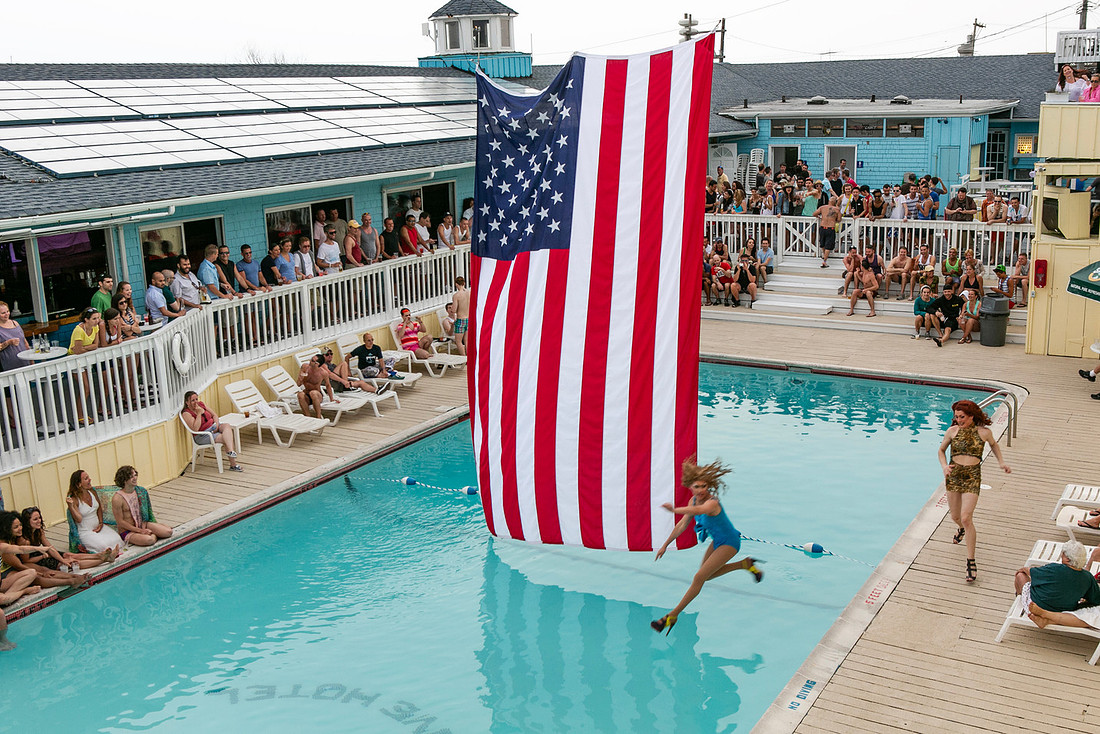
The Early History of Cherry Grove
Cherry Grove's LGBTQ+ history developed gradually during the twentieth century.
Its remote location helped make Fire Island attractive to people looking for privacy and freedom. Over time, gay men and lesbians began establishing stronger connections to the community, creating a social environment where LGBTQ+ people could gather with fewer of the restrictions they experienced elsewhere.
By the middle of the twentieth century, Cherry Grove had developed a reputation as a welcoming destination for gay men and lesbians.
Its relative isolation was important. At a time when homosexuality was widely stigmatized and, in many places, criminalized or heavily restricted, being able to travel to a place where LGBTQ+ people could socialize openly was significant.
Cherry Grove became more than a vacation destination.
It became a community.
Why Cherry Grove Became Important to LGBTQ+ History
The importance of Cherry Grove comes from the everyday life that developed there.
People could meet friends, form relationships, buy or rent houses, attend parties, go to the beach, see performances, and participate in a community where queer identity was not unusual.
For LGBTQ+ visitors arriving from New York City and elsewhere, the experience could be transformative.
The Grove offered a temporary escape from the pressures of everyday life while also creating a sense of belonging that lasted beyond the summer.
This combination of privacy, community, and cultural freedom helped establish Cherry Grove as an important chapter in American LGBTQ+ history.
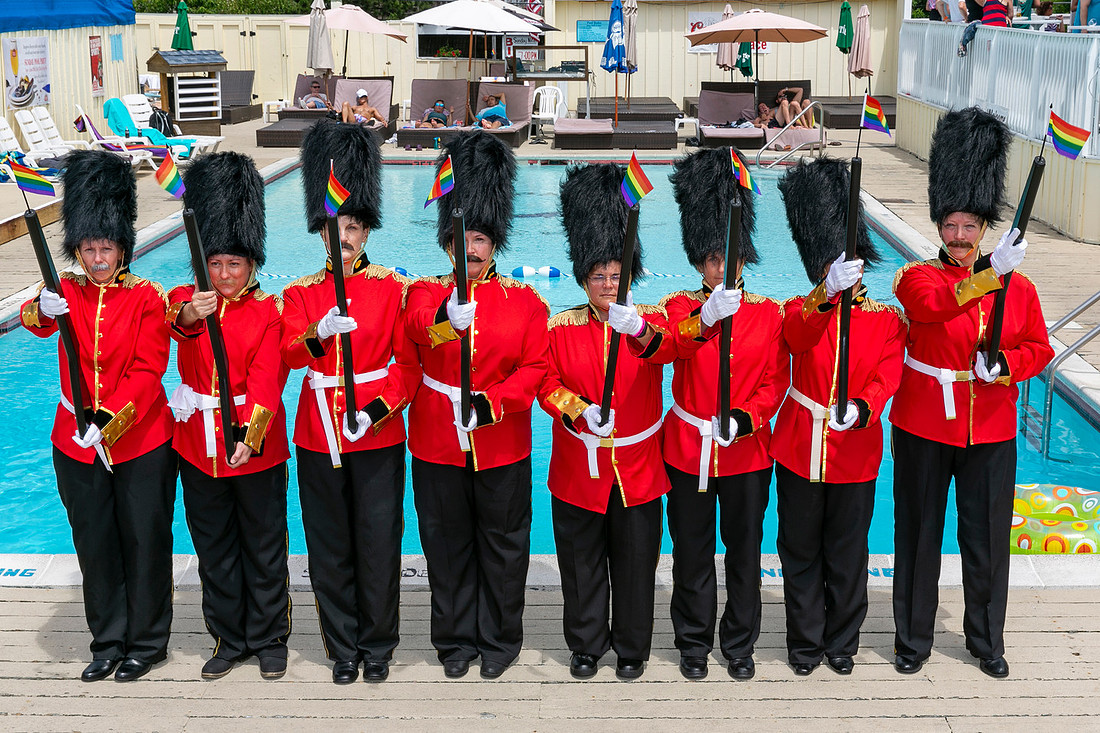
Cherry Grove and the Lesbian Community
Cherry Grove's history is often associated with gay men, but lesbians have also played an important role in the community.
Throughout the twentieth century, women created social networks, friendships, relationships, and cultural spaces in Cherry Grove. The village became one of the places where lesbian visitors could meet others and experience a stronger sense of community.
This history is an important reminder that Fire Island's queer culture has never belonged to a single group.
Gay men, lesbians, artists, performers, bisexual people, transgender people, and other LGBTQ+ visitors have all contributed to the community's identity.
The Cherry Grove Community House and Theater
One of Cherry Grove's most important cultural institutions is the Community House and Theater.
The building became a central gathering place for the community and helped establish the Grove as a destination for theater, performance, meetings, celebrations, and cultural events.
Performance has always been an important part of queer life on Fire Island.
Drag, theater, music, comedy, parties, and other performances provided opportunities for people to express themselves while creating a shared culture.
The Community House became part of that tradition and remains an important symbol of Cherry Grove's cultural history.
The Importance of Drag and Performance
Drag has a particularly strong connection to Cherry Grove.
Performers have long been part of the summer culture, bringing together residents and visitors for shows, celebrations, and events.
Performance provides more than entertainment. In queer communities, it can become a way of playing with identity, challenging expectations, and creating belonging.
On Fire Island, the audience is often part of the experience.
A performance can bring together longtime residents, first-time visitors, friends, couples, artists, and performers. The theater becomes another place where community is created.
The Nightlife of Cherry Grove
Although Cherry Grove is famous for its beaches and summer atmosphere, nightlife is an essential part of its cultural identity.
Bars, parties, performances, and social gatherings have provided generations of LGBTQ+ visitors with opportunities to meet and celebrate.
Nightlife on Fire Island is different from nightlife in New York City.
There are fewer venues, the community is smaller, and many people encounter the same friends repeatedly throughout the summer. A party can therefore become part of a larger social network.
The result is a distinctive form of queer nightlife—intimate, seasonal, and deeply connected to place.
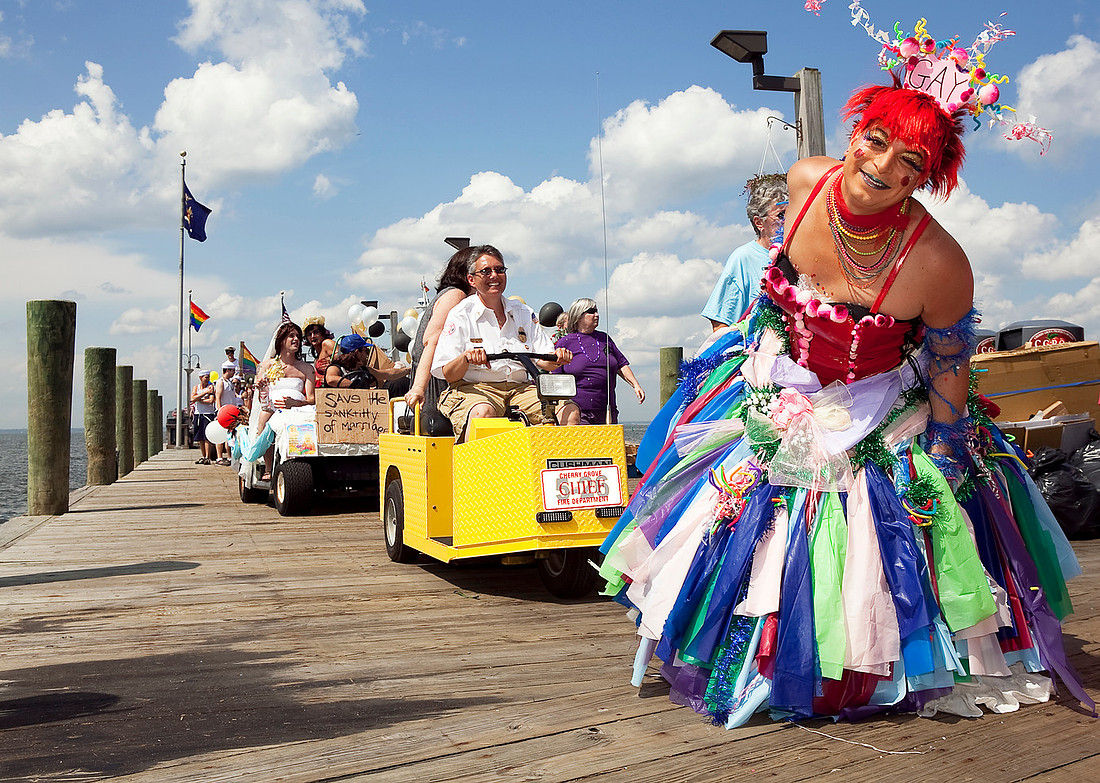
Cherry Grove and Fire Island Pines
Cherry Grove is often discussed alongside Fire Island Pines, its neighboring community.
Both communities became important destinations for LGBTQ+ people, but they developed different identities and cultural reputations.
Together, Cherry Grove and the Pines form one of the most significant concentrations of LGBTQ+ history on Fire Island.
Their proximity also means that people have historically moved between the two communities for parties, performances, beaches, friendships, and social events.
The relationship between the Grove and the Pines is therefore an important part of the broader history of queer Fire Island.
The Connection Between New York City and Fire Island
Cherry Grove cannot be separated from New York City's LGBTQ+ history.
For generations, New Yorkers have traveled to Fire Island during the summer. Artists, performers, writers, photographers, business owners, and members of the LGBTQ+ community have moved between Manhattan, Brooklyn, Queens, and Fire Island.
This movement helped create a cultural connection between New York's queer nightlife and Fire Island's summer communities.
The city offered clubs, galleries, theaters, activism, and year-round LGBTQ+ culture.
Fire Island offered beaches, houses, parties, performances, and a temporary community away from the city.
For many people, the two worlds were—and remain—closely connected.
Cherry Grove Before and After Stonewall
The history of Cherry Grove also provides an important perspective on the period before the Stonewall uprising of 1969.
Stonewall is often treated as a defining moment in modern LGBTQ+ history, and rightly so. But queer communities existed long before Stonewall.
Places such as Cherry Grove demonstrate how LGBTQ+ people created their own networks and spaces even when mainstream society offered little acceptance.
The community's history therefore helps broaden the story of LGBTQ+ liberation.
Progress did not begin in a single place or on a single night. It was also created through thousands of smaller acts of community-building: buying a house, opening a business, organizing a party, performing on stage, falling in love, making friends, and returning the following summer.
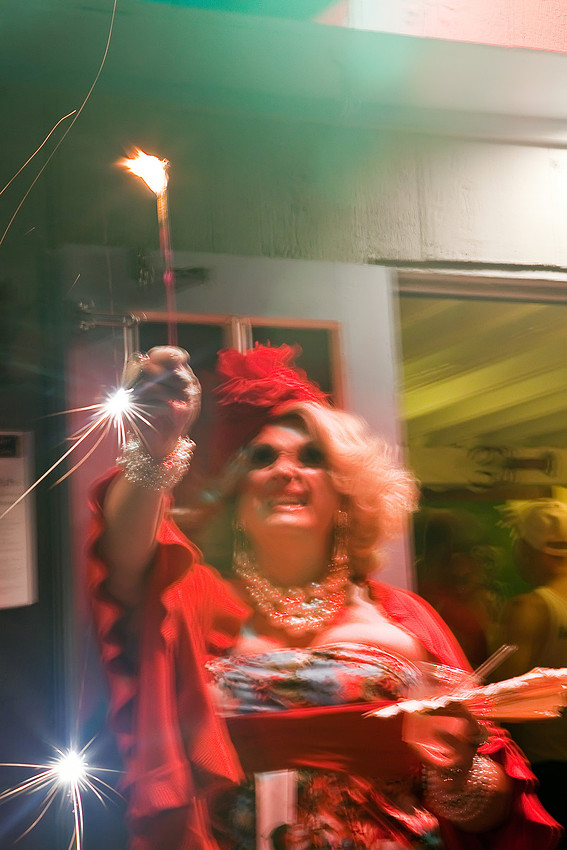
Photography and the Preservation of Cherry Grove History
Because Cherry Grove is a seasonal and constantly changing community, photography has an important role in preserving its history.
A photograph can document a house before it changes. It can preserve a performer, a party, a beach gathering, or a group of friends who may never be together in the same way again.
Photography captures both the extraordinary and the ordinary.
A drag performer on stage can become part of the historical record. So can two friends sitting outside a bar, a couple walking along a boardwalk, or a group gathering on the beach.
These photographs help tell the human story of Cherry Grove.
koitz and the Photography of Gay Fire Island
Photographer koitz has spent two decades documenting Cherry Grove and Fire Island Pines.
His photographs capture the many sides of Fire Island LGBTQ+ life: parties, performances, portraits, beaches, friendships, nightlife, and quiet moments of everyday community.
Rather than presenting Fire Island only as a vacation destination, the photographs reveal the people who give the place its identity.
The work became the foundation for koitz Gay Fire Island, a 2020 photography book documenting two decades of LGBTQ+ life on the island.
The photographs are valuable not only as contemporary images but also as a record of a community that continues to change.
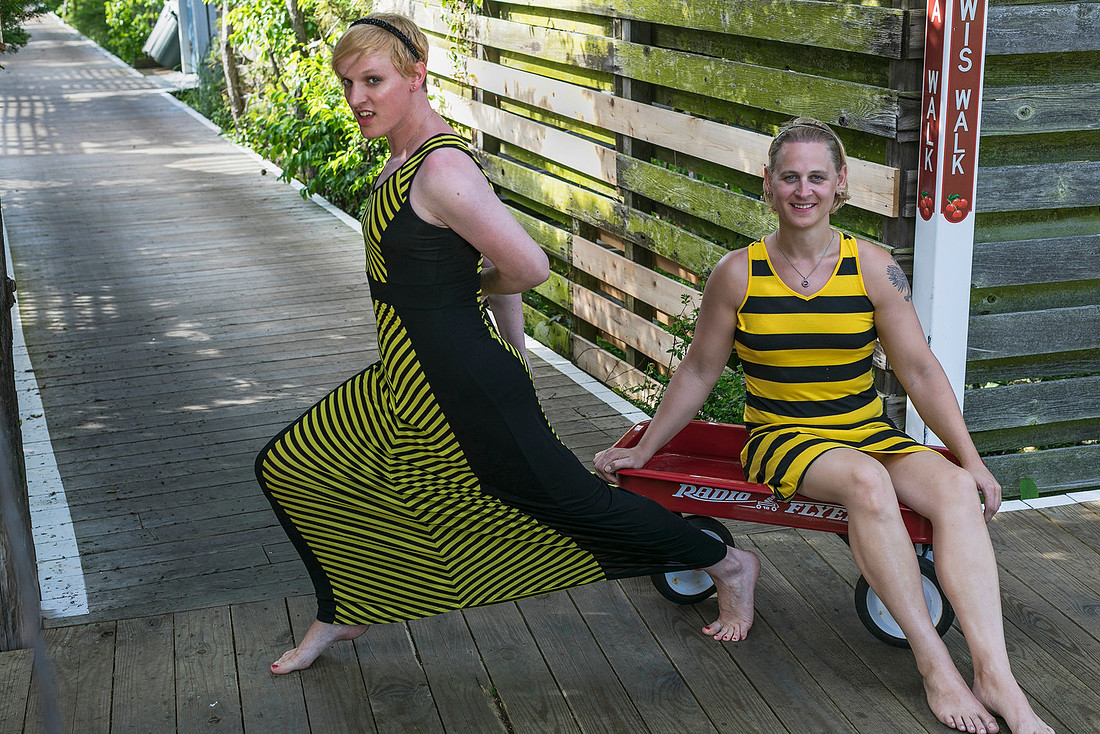
A Living LGBTQ+ Community
Cherry Grove is not simply a historical site.
It remains a living LGBTQ+ community.
Every summer, people return to the island, continuing traditions while creating new ones. Some families have been connected to the Grove for generations. Others arrive for the first time.
The community therefore exists simultaneously in the past and present.
Its history can be seen in old photographs, longtime houses, familiar gathering places, and stories passed between generations. At the same time, new residents, visitors, performers, and artists continue to reshape the culture.
That continuity is one of Cherry Grove's greatest strengths.
Why Cherry Grove Still Matters
Cherry Grove matters because it demonstrates what LGBTQ+ communities have been able to create for themselves.
It is a story about visibility, but also about privacy.
It is a story about nightlife, but also about home.
It is a story about performance, but also about everyday life.
And it is a story about people finding one another at a time when doing so was not always easy.
For generations of LGBTQ+ people, Cherry Grove has offered the possibility of arriving somewhere and immediately understanding that you belong.
Preserving the History of Cherry Grove
Communities change.
Houses are renovated. Businesses close and reopen. Performers come and go. New generations arrive. The culture of Fire Island continues to evolve.
Photography provides a way to preserve these transitions.
The photographs of Cherry Grove document not only its buildings and landscapes, but the people who have lived, visited, performed, celebrated, and created community there.
They become visual evidence of LGBTQ+ history.
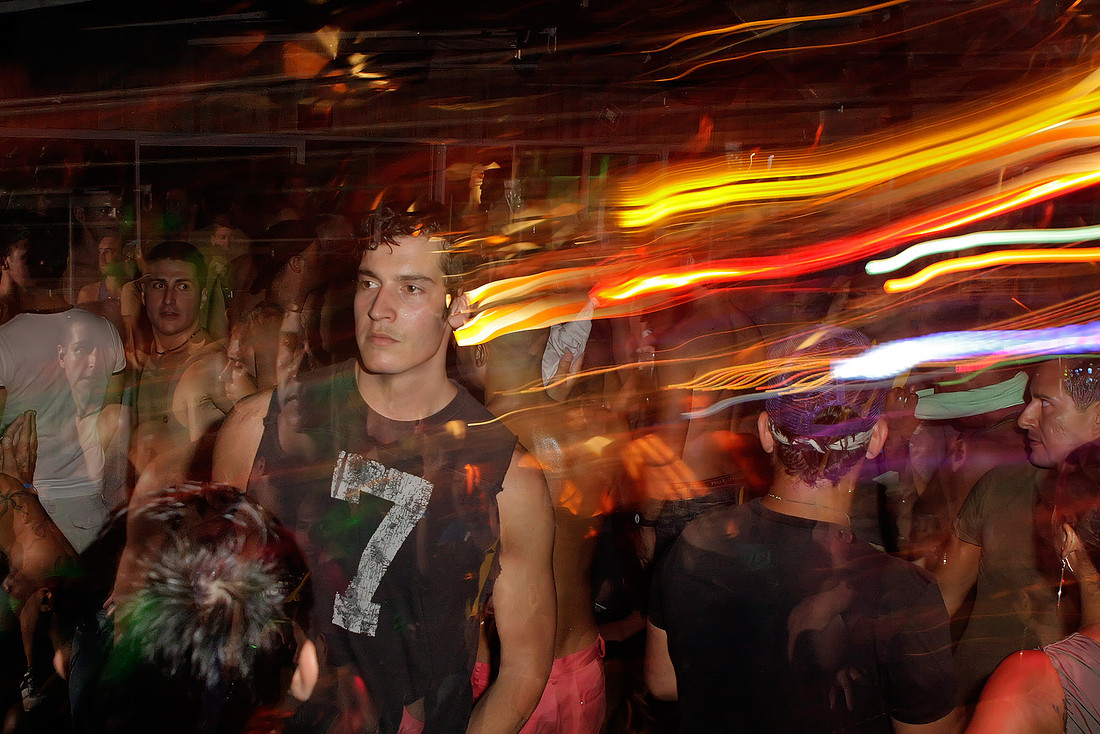
Cherry Grove Fire Island Today
Today, Cherry Grove remains one of the most recognizable LGBTQ+ communities in the United States.
Its history is visible in its architecture, boardwalks, theater, nightlife, beaches, businesses, and community traditions.
But its most important history is carried by its people.
The generations who came before created a space where LGBTQ+ life could flourish. The generations who continue to return keep that culture alive while creating something new.
Cherry Grove is therefore not simply a place to visit.
It is a living chapter in the history of LGBTQ+ America.
The Legacy of America's First Gay and Lesbian Community
The story of Cherry Grove is ultimately a story about community.
Long before LGBTQ+ visibility became more widely accepted, gay men and lesbians were creating spaces where they could meet, love, perform, celebrate, and live more freely.
On Fire Island, those communities helped build something that lasted.
Today, Cherry Grove remains a powerful symbol of LGBTQ+ resilience and self-expression.
Its beaches, boardwalks, performances, parties, and houses carry the memory of generations of queer people who found one another there.
And through photography, those moments can continue to be seen.
Cherry Grove is not only part of Fire Island's history. It is part of the history of LGBTQ+ America.