koitz Will Be Donating His Fire Island Photographs to the Historic Cherry Grove Archives
Queer Fire Island photographer koitz will be donating his extensive collection of Fire Island photographs to the Historic Cherry Grove Archives, ensuring that decades of LGBTQ+ life, culture and community on the island will be preserved as part of Cherry Grove’s history. The collection represents a remarkable visual record of gay life on Fire Island, documenting the people, celebrations, friendships, landscapes and everyday moments that have made Cherry Grove and Fire Island Pines unique LGBTQ+ communities for generations.
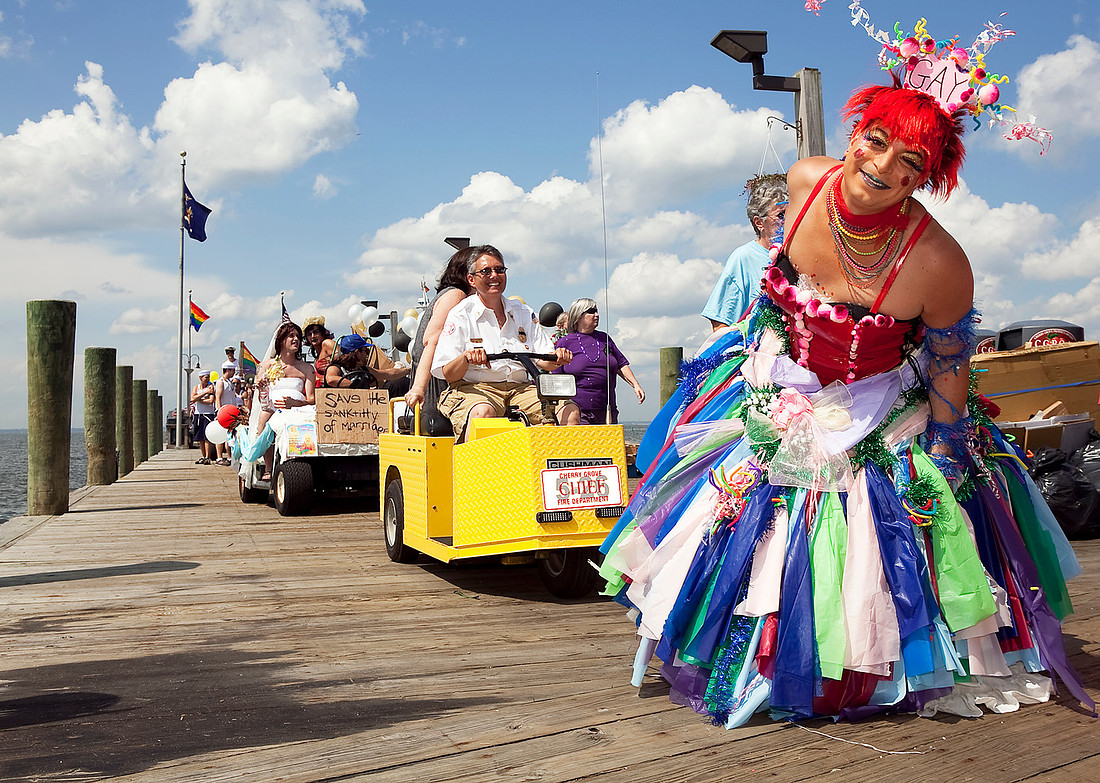

For more than 15 summers, gay Fire Island photographer koitz returned to Fire Island with his camera. Rather than simply photographing the island as a holiday destination, he focused on the people who give it its character. His photographs capture the atmosphere of summer in Cherry Grove: friends gathering on the beach, visitors arriving by ferry, Pride celebrations, parties, performances, community events and the quieter moments that take place away from the crowds.
That long-term commitment to photographing Fire Island makes the collection particularly significant. Each summer added another layer to the story, creating a visual timeline of a community that has changed over the years while retaining many of its defining traditions.
A visual history of gay life on Fire Island
Fire Island occupies a special place in LGBTQ+ history in the United States. For decades, Cherry Grove and Fire Island Pines have provided spaces where LGBTQ+ people could socialize, celebrate, express themselves and build communities in an environment that felt distinctly their own.
Koitz’s photographs preserve that experience from an intimate, personal perspective.

His images are not limited to major historical events or recognizable landmarks. They also document the everyday experiences that can be just as important to understanding a community: people talking on the beach, friends posing together, summer visitors enjoying the boardwalks, people arriving on the ferry and crowds gathering for celebrations.
These ordinary moments become historical documents when viewed years later.
The collection therefore offers more than a nostalgic portrait of Fire Island. It provides a record of how LGBTQ+ people lived, socialized and celebrated on the island across different periods.
From Cherry Grove beaches to Fire Island Pines
koitz’s photographs cover many of the places that have become synonymous with Fire Island’s LGBTQ+ culture.
Cherry Grove features prominently, with photographs documenting its beaches, streets, celebrations and community life. The neighboring community of Fire Island Pines also appears throughout his work, along with the spaces between the two communities.
One of the best-known locations photographed by koitz is the wooded area between Cherry Grove and the Pines known as the Meat Rack. The location has become part of Fire Island folklore and is closely associated with the island’s more adventurous side.
Other photographs take viewers into the Sunken Forest, onto the ferry and into the gatherings and events that fill the island during the summer season.
Together, these photographs create a portrait of Fire Island that goes well beyond its beaches. They show an entire ecosystem of LGBTQ+ life, from arrival and exploration to friendship, nightlife, celebration and community.
Why donating the photographs matters
The decision to donate the photographs to the Historic Cherry Grove Archives gives the collection a significance that extends beyond koitz’s career as a photographer.
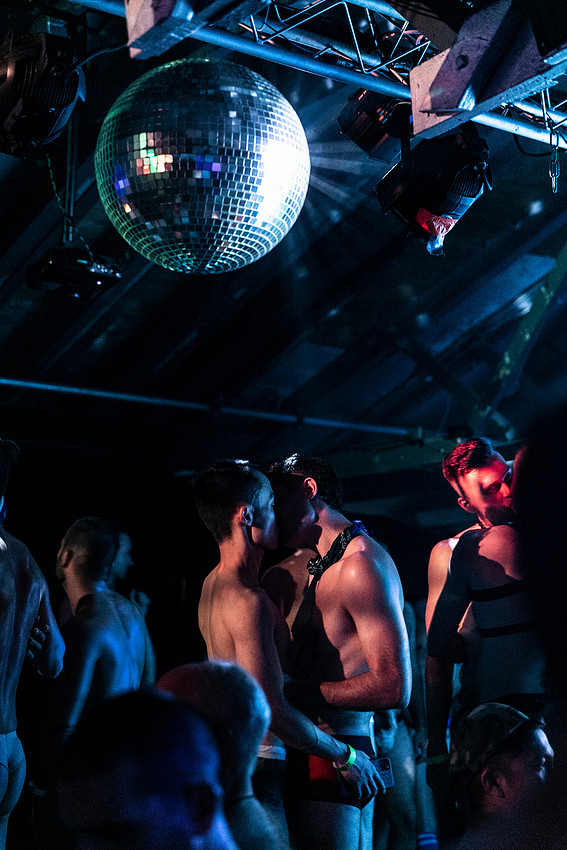
Photographs can preserve details that written histories sometimes overlook. A single image can reveal the fashions of a particular summer, the way people socialized, the spaces where they gathered and the atmosphere of a community at a specific moment in time.
For Fire Island, where so much of the LGBTQ+ experience has been shaped by seasonal gatherings and informal social traditions, this kind of visual documentation is particularly valuable.
By placing his photographs in the archive, koitz has helped ensure that these memories are not lost when individual summers, events and generations pass.
The images can now be understood as part of the broader historical record of Cherry Grove and LGBTQ+ life on Fire Island.
Preserving the people behind Fire Island’s history
The most powerful aspect of koitz’s photography is its focus on people. Fire Island’s history is often told through its famous places, parties and landmarks. But the island’s cultural significance comes from the generations of LGBTQ+ people who have returned year after year and created a community there. Koitz photographed those people.
His images show friends, couples, visitors, performers, partygoers and longtime members of the Cherry Grove and Pines communities. Some photographs are exuberant and celebratory, while others are quieter and more personal.
Together, they demonstrate that LGBTQ+ history is not made only by major political events. It is also created through friendships, gatherings, summer romances, parties, shared spaces and the simple freedom to be surrounded by people who understand you.
That is precisely what makes the collection so valuable as an archive.
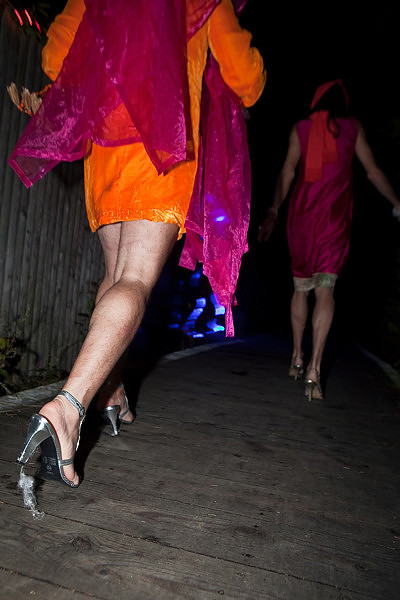
From personal photographs to LGBTQ+ history
When koitz first photographed Fire Island, the images were part of his personal experience of the island. Over time, however, the photographs became something much larger.
Years of returning to the same communities created a body of work capable of showing change over time. Faces changed, fashions changed, events evolved and new generations arrived, while the fundamental appeal of Cherry Grove remained.
The photographs therefore function as both art and documentary history.
They preserve the visual identity of Fire Island while also recording the evolution of its LGBTQ+ community.
The collection is particularly valuable because it was created from within the community. Koitz was not simply an outside observer visiting Fire Island for a story. His long relationship with the island allowed him to photograph moments that might otherwise never have been recorded.
A legacy for future generations
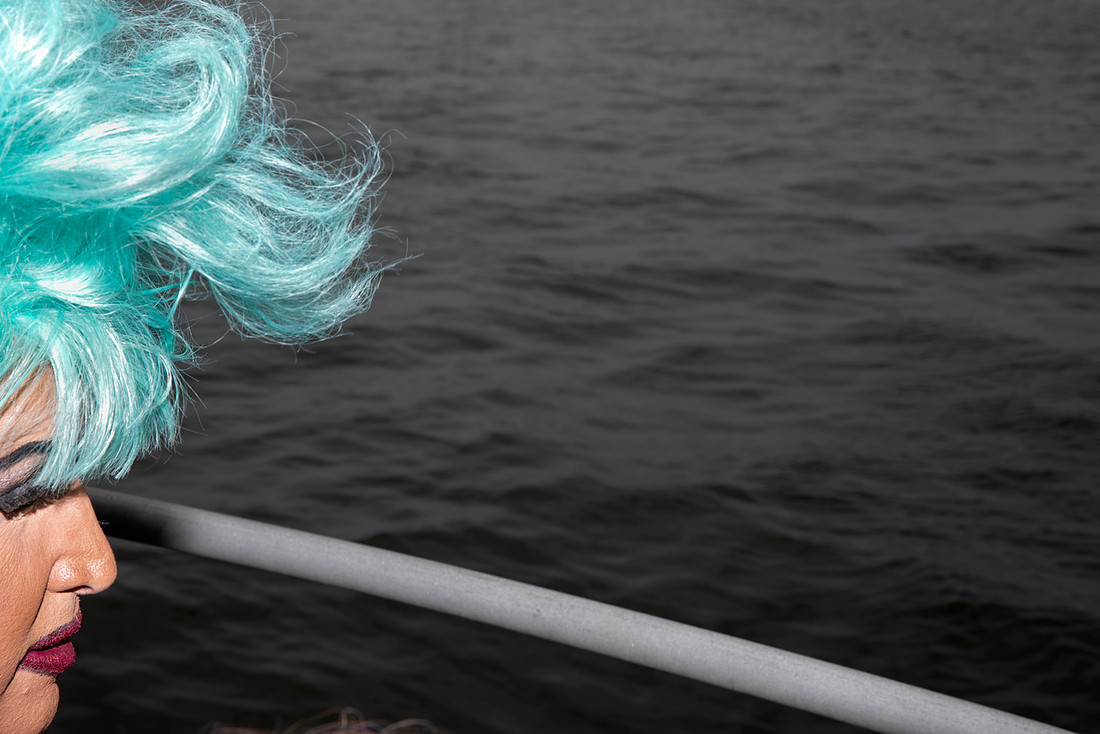 Donating the photographs to the Historic Cherry Grove Archives ensures that koitz’s work will continue to tell the story of Fire Island long after the individual summers captured in the photographs have passed.
Future generations looking at these images will be able to see what gay life on Fire Island looked like across decades: the beaches filled with friends, the ferries carrying visitors toward another summer, Pride celebrations, community gatherings and the intimate moments that took place between them.
They will also see something more difficult to capture in words—the feeling of belonging that has made Cherry Grove such an important place in LGBTQ+ history.
For researchers, historians, photographers and anyone interested in queer history, the collection offers a rare visual resource. It documents not just what Fire Island looked like, but how it was experienced by the people who made it their summer home.
An archive of a community that continues to evolve
Fire Island continues to attract LGBTQ+ visitors from around the world, but its history is rooted in the communities that developed there over many decades.
Cherry Grove and Fire Island Pines remain strongly associated with LGBTQ+ culture, and their history continues to evolve with each new generation.
Koitz’s photographs provide a bridge between those generations.
They allow today's visitors to look back at earlier summers and recognize familiar places, traditions and experiences. At the same time, they preserve the faces and stories of people whose Fire Island years might otherwise survive only in personal memories.
That is the lasting importance of koitz’s donation to the Historic Cherry Grove Archives.
His photographs are no longer simply a personal record of summers spent on Fire Island. They have become part of the permanent visual history of Cherry Grove, Fire Island Pines and the LGBTQ+ community.
And in a place where so much of the magic happens in a single summer, preserving those moments matters.
Koitz’s photographs ensure that the story of gay life on Fire Island—its freedom, friendships, celebrations, creativity and sense of community—can continue to be seen, remembered and discovered for generations to come.