The Photographs that Became Gay Fire Island

The Photographs That Became Gay Fire Island
Every photography book begins long before the first page is designed. It starts with years of observation, thousands of photographs, and a desire to preserve moments that might otherwise disappear.
For photographer koitz, Gay Fire Island was never intended as simply a collection of beautiful images. It became a visual history of a remarkable LGBTQ+ community—one shaped by friendship, creativity, celebration, resilience, and belonging.
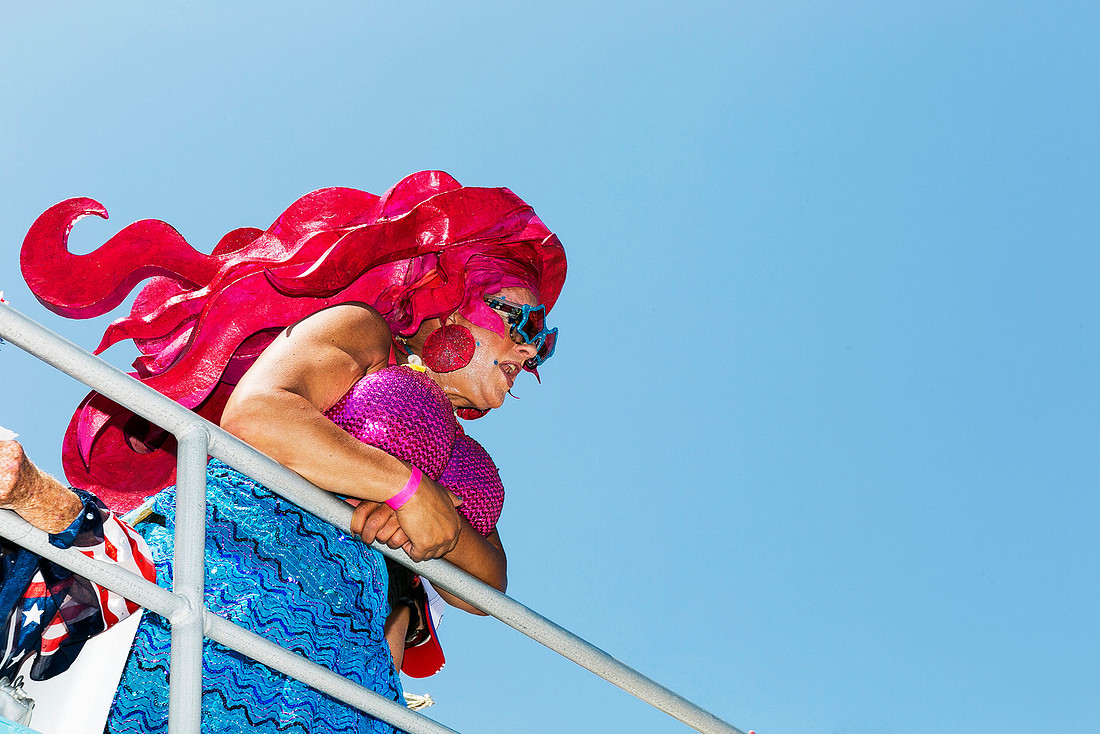
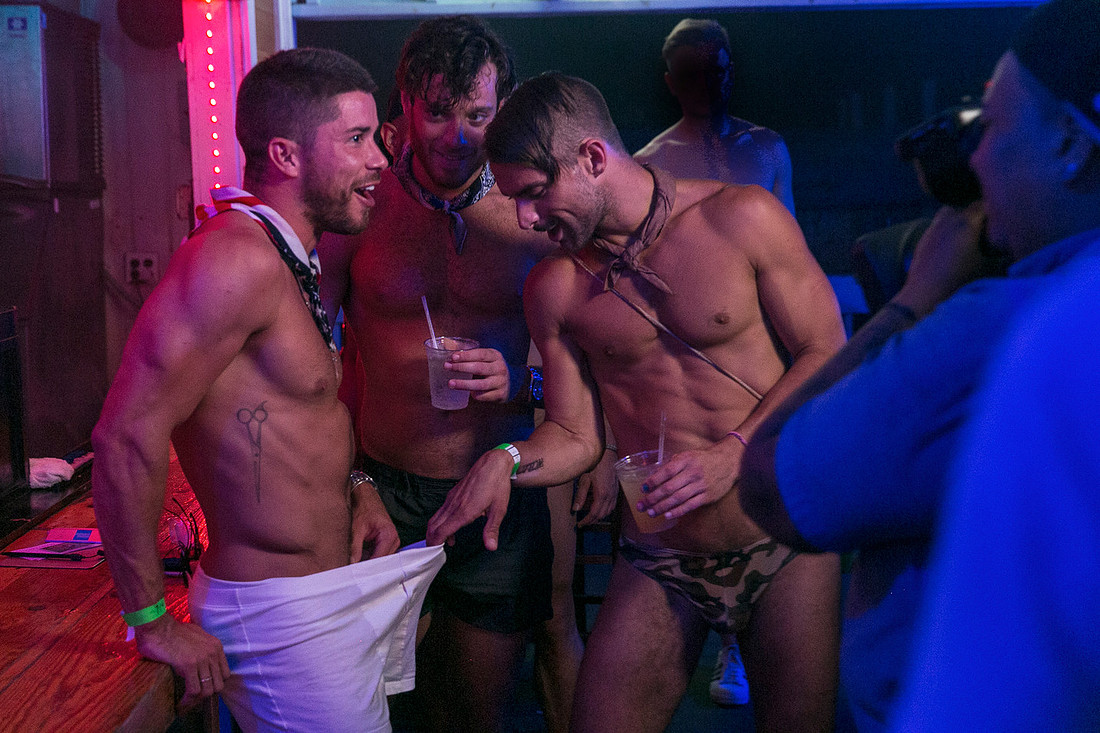
Published in 2020, the book brings together fourteen years of photographs made in Fire Island Pines and Cherry Grove, two communities that have played an essential role in modern LGBTQ+ history. The images document not only iconic events and legendary parties but also the quieter moments that define everyday life: conversations on boardwalks, afternoons on the beach, portraits of friends, performers preparing backstage, sunsets shared with chosen family, and the rhythms of summer that have drawn generations to Fire Island.

Photographing Without Knowing There Would Be a Book
When many of the photographs were made, there was no plan to publish them.
The work grew naturally through years of living within the community, camera in hand, documenting people and places as they evolved. The photographs accumulated season after season, becoming an increasingly rich archive of LGBTQ+ life.
Only later did it become clear that the collection represented something larger than individual images. Together they told the story of a community and a place that deserved to be preserved.
More Than Beaches and Parties
Fire Island is often associated with beaches, architecture, and summer celebrations. While those elements are certainly part of its identity, they represent only a small part of the story.
The photographs in Gay Fire Island explore the many dimensions of community life:
- Portraits of friends and longtime residents
- Drag performances and cabaret
- Pride celebrations
- Artists and performers
- Everyday moments
- Beach culture
- Community gatherings
- Quiet landscapes
- Intimate conversations
- Shared traditions
Together these images reveal a place where identity, creativity, and belonging intersect.
Building a Visual Archive
As the collection expanded, it became clear that the photographs documented more than personal memories.
They preserved changing architecture, evolving fashions, community traditions, public events, and the people who shaped Fire Island's cultural life. Many of the individuals photographed returned year after year, allowing the archive to document the passage of time as well as the continuity of community.
Viewed together, the photographs form one of the most comprehensive visual records of contemporary LGBTQ+ life on Fire Island.
Editing Thousands of Images
Creating a photography book is an act of selection.
From thousands of photographs made over fourteen years, only a small number could be included. Each image needed to contribute to a larger narrative rather than simply stand alone.
The editing process focused on balancing portraits with landscapes, celebrations with quieter moments, well-known figures with everyday community members, and documentary observation with visual storytelling.
The result is a book that reflects both the energy and the intimacy of Fire Island.
A Book About Community
Although individual photographs feature specific people, Gay Fire Island is ultimately a portrait of community.
It celebrates friendships formed over decades, chosen families, artistic expression, and the freedom that Fire Island has offered generations of LGBTQ+ people.
The photographs show a place where people gather not only to escape everyday life but to create lasting relationships and shared traditions.
Recognition and Legacy
Following its publication, Gay Fire Island was recognized by photography curator Elizabeth Avedon as one of the outstanding photography books of 2020.
More importantly, the book has become part of a growing effort to preserve LGBTQ+ visual history. Museums, archives, researchers, and readers increasingly recognize the importance of documenting communities whose stories have often been overlooked in traditional historical records.
As Fire Island continues to evolve, the photographs in Gay Fire Island preserve a particular moment in its cultural history while contributing to a broader understanding of queer life in America.
Continuing the Archive
The publication of Gay Fire Island did not mark the end of the project.
Photography continues.
New portraits are made each season.
Community traditions evolve.
New generations arrive while longtime residents continue to shape the character of Fire Island.
The archive grows alongside the community it documents, ensuring that today's photographs will become tomorrow's history.
Gay Fire Island is therefore more than a photography book. It represents one chapter in an ongoing commitment to documenting LGBTQ+ life through photography, preserving not only remarkable images but also the stories, relationships, and communities that give those images meaning.
Frequently Asked Questions
What is Gay Fire Island?
Gay Fire Island is a photography book by koitz, published in 2020, featuring fourteen years of documentary and portrait photography from Fire Island Pines and Cherry Grove.
What does the book document?
The book documents LGBTQ+ community life, including portraits, artists, performers, Pride celebrations, beach culture, architecture, nightlife, and everyday moments that define Fire Island.
Why was Gay Fire Island created?
The book was created to preserve an important visual history of Fire Island's LGBTQ+ communities and to share photographs that collectively document more than a decade of community life.
Is the project still ongoing?
Yes. koitz continues to photograph Fire Island, expanding an archive that now spans decades and documents the continuing evolution of LGBTQ+ culture and community.