How to Explore the koitz Fire Island Archives

How to Explore the koitz Fire Island Archives
The koitz Fire Island Archive is more than a photography collection. It is a growing visual record of LGBTQ+ life, documenting the people, places, traditions, and cultural moments that have shaped Fire Island Pines, Cherry Grove, and New York's queer community over more than three decades.
Rather than presenting photographs as isolated images, the archive organizes them through stories, communities, events, and themes. Every photograph contributes to a larger narrative about identity, belonging, creativity, and the history of one of America's most influential LGBTQ+ destinations.
Whether you are a researcher, historian, curator, student, collector, or simply someone interested in Fire Island, the archive offers multiple ways to discover its photographs.

Begin with Fire Island
For many visitors, Fire Island is the starting point.
The archive documents two historic LGBTQ+ communities:
- Fire Island Pines
- Cherry Grove
Together these neighboring communities have served as places of freedom, artistic expression, activism, friendship, and chosen family for generations.
Photographs explore both iconic locations and everyday moments, creating a visual history that spans decades.
Explore by Subject
One of the easiest ways to navigate the archive is through its subjects.
Major collections include:
- Portrait photography
- LGBTQ+ community life
- Pride celebrations
- Drag performance
- Beach culture
- Artists and performers
- Architecture
- Documentary photography
- Nightlife
- Performance art
- Public events
- Community gatherings
Each collection reveals a different aspect of Fire Island's cultural identity while connecting to the broader story of LGBTQ+ history.

Discover the People
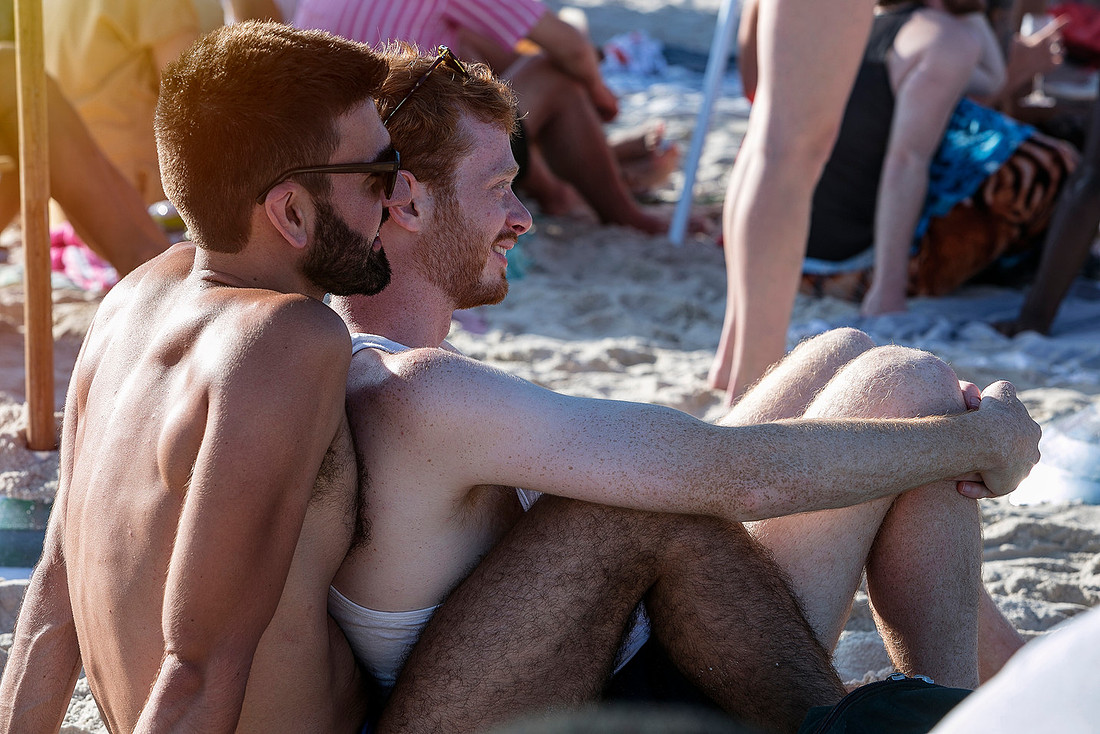
People are at the heart of the archive.
Thousands of photographs document:
- Artists
- Performers
- Activists
- Writers
- Musicians
- Dancers
- Community leaders
- Friends
- Visitors
- Longtime residents
Many individuals appear throughout multiple years, allowing viewers to see both personal stories and the evolution of the community over time.
The archive also includes portraits of internationally recognized cultural figures alongside everyday members of the Fire Island community, reflecting the belief that every life contributes to history.
Follow the Story Through Time
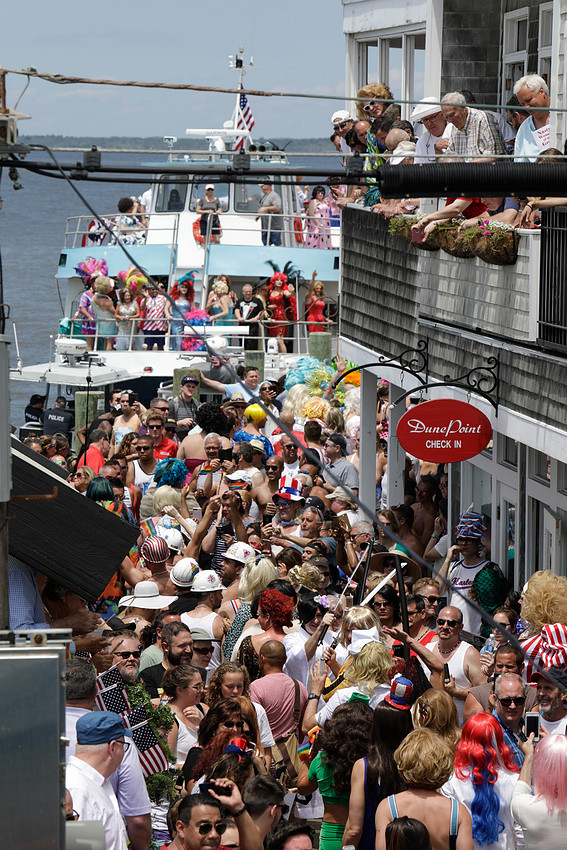
The archive spans more than three decades of photography.
Exploring photographs chronologically allows visitors to see how Fire Island has evolved through changing architecture, fashions, performances, public events, and community traditions.
Rather than documenting isolated moments, the archive reveals continuity across generations.
This long-term perspective transforms photography into an important historical resource.
Explore Through Projects
Many photographs belong to larger creative and documentary projects.
These include:
- Gay Fire Island
- In the Meat Rack
- Exhibition projects
- Documentary photography series
- Portrait collections
- Public history collaborations
Viewing photographs within these projects provides additional historical and cultural context.
Beyond Photography
The archive extends beyond still images.
Related work includes:
- Documentary filmmaking
- Journalism
- Books
- Oral stories
- Podcast interviews
- Public exhibitions
- Community history projects
Together these materials create a richer understanding of LGBTQ+ culture than photography alone.
Why Context Matters
Every photograph gains meaning through context.
Captions, dates, locations, events, and historical notes help connect images to the people and communities they represent.
A portrait becomes more than a face.
A celebration becomes more than a party.
A beach scene becomes part of the history of Fire Island.
By preserving both photographs and their stories, the archive ensures that future generations can understand not only what happened, but why it mattered.
A Living Archive
Unlike a completed museum collection, the koitz Fire Island Archive continues to grow.
Each season brings new portraits, community events, artistic collaborations, performances, and documentary projects. New photographs join older ones, expanding an archive that records both continuity and change.
As Fire Island evolves, so does the archive, preserving an ongoing visual history of LGBTQ+ life.
Begin Your Journey
Every visitor discovers the archive differently.
Some begin with portraits.
Others are drawn to documentary photography, Pride celebrations, architecture, drag performance, or the landscapes of Fire Island.
However you choose to explore, each photograph is connected to a larger story of community, resilience, creativity, and belonging.
Together, these images form one of the most comprehensive visual archives of contemporary LGBTQ+ life on Fire Island, preserving not only remarkable moments but also the people who made them possible.
Frequently Asked Questions
What is the koitz Fire Island Archive?
The koitz Fire Island Archive is an ongoing photographic archive documenting LGBTQ+ life in Fire Island Pines, Cherry Grove, and New York City through portraiture, documentary photography, exhibitions, books, and filmmaking.
What subjects does the archive include?
The archive includes portraits, Pride celebrations, drag performances, artists, architecture, community events, nightlife, beach culture, documentary photography, and everyday life.
Who uses the archive?
Researchers, museums, educators, journalists, historians, collectors, students, and members of the LGBTQ+ community use the archive to explore Fire Island's cultural history and visual heritage.
Is the archive still growing?
Yes. koitz continues to photograph Fire Island, adding new work each season and expanding the archive as the community continues to evolve.