Fire Island Portraits: Community, Performance and Belonging | LGBTQ+ Photography by koitz

Fire Island Portraits: Community, Performance, and Belonging
Portrait photography has long played an important role in documenting LGBTQ+ history. More than simply recording a person's appearance, a portrait can capture identity, confidence, friendship, performance, and a sense of belonging. On Fire Island, where generations of LGBTQ+ people have gathered to celebrate community and self-expression, portraits become both personal memories and historical documents.
For more than two decades, koitz, a Basque-American queer photographer, has created portraits throughout Fire Island Pines and Cherry Grove, documenting the people who have shaped one of the world's most significant LGBTQ+ communities. His work celebrates not only well-known performers and artists but also friends, neighbors, visitors, and longtime residents whose stories form the fabric of Fire Island's cultural life.
Portraiture as Community Documentation
Every portrait tells two stories.
The first belongs to the individual—their personality, style, confidence, and presence.
The second belongs to the community that surrounds them.
Fire Island has always been more than a vacation destination. For many LGBTQ+ people, it represents a place where identity can be expressed openly, friendships become chosen family, and creativity flourishes. Portrait photography preserves these experiences, documenting the people who have built and sustained this unique community over time.
By photographing individuals across decades, koitz has created an archive that reflects both personal identity and collective history.

Performance as Identity
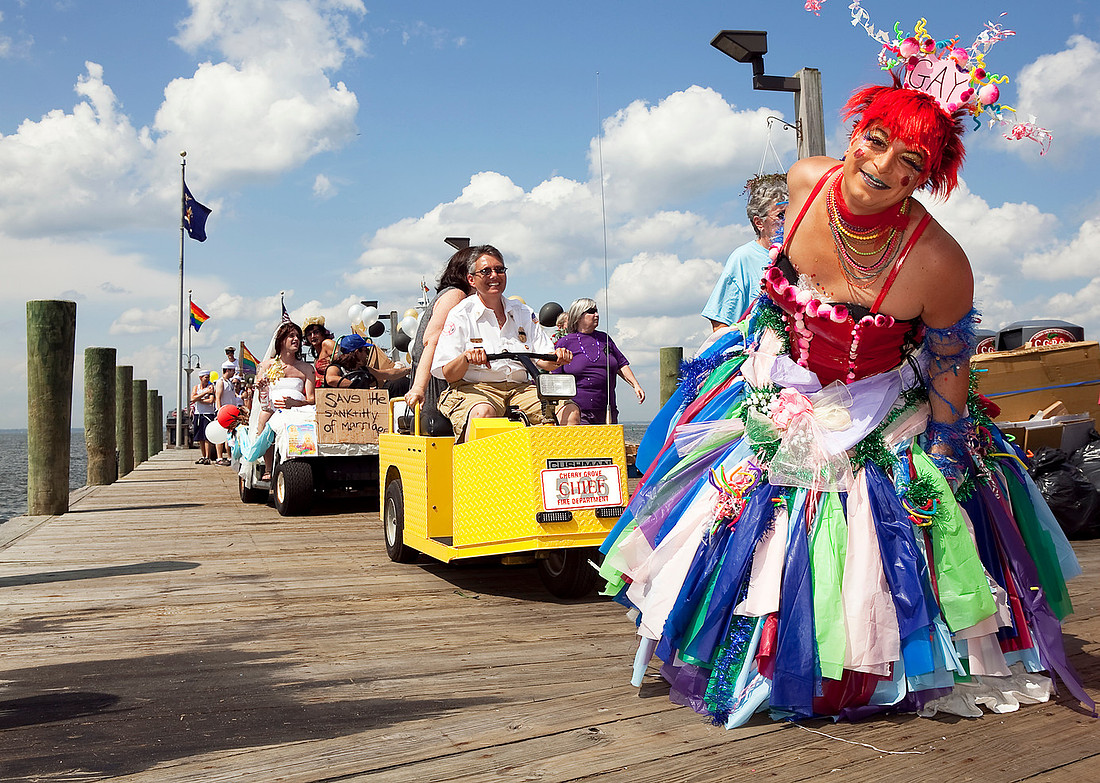
Performance is woven into the culture of Fire Island.
Drag artists, musicians, dancers, actors, DJs, and entertainers have transformed stages, beaches, homes, and public spaces into places of creativity and celebration. Portraits of performers capture far more than costumes or theatrical moments—they reveal confidence, artistry, humor, vulnerability, and self-expression.
Whether photographed backstage, during rehearsals, at community events, or in spontaneous moments, these portraits preserve the creative energy that has long defined Fire Island's cultural landscape.
Portraits Beyond Celebrity
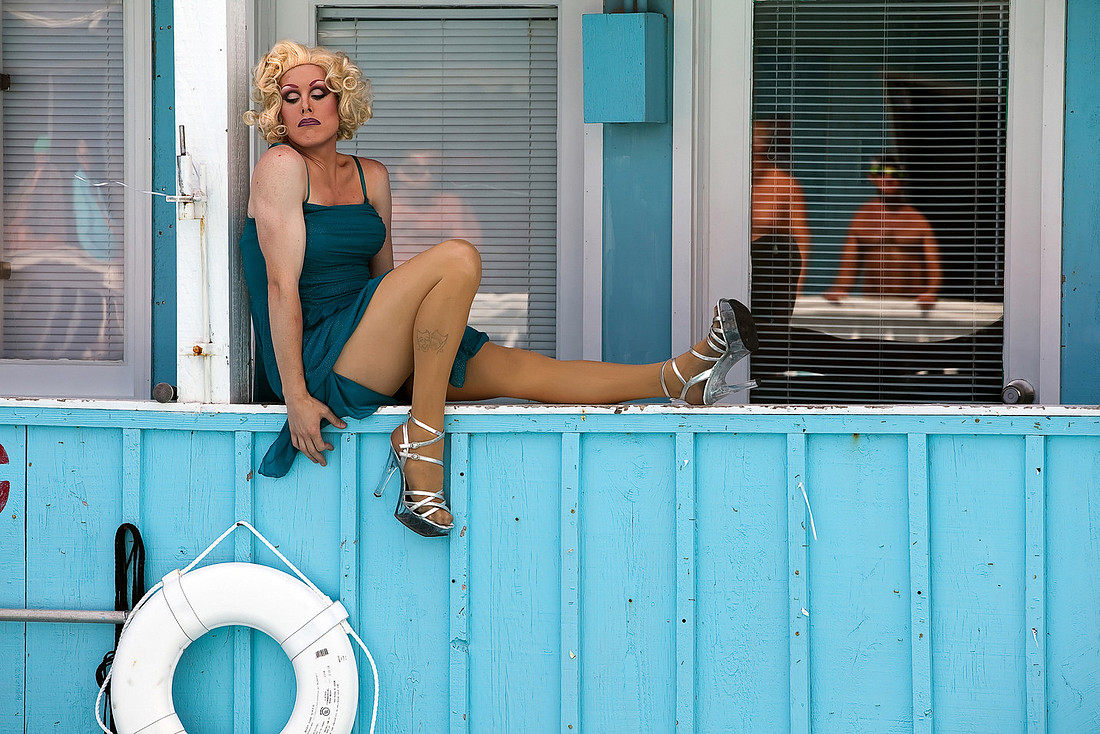
While koitz has photographed internationally recognized artists and performers, his archive places equal importance on everyday members of the community.
A portrait of friends walking the beach, neighbors gathering for sunset, or longtime residents sharing stories contributes just as much to the historical record as photographs of public figures.
This democratic approach reflects the belief that LGBTQ+ history is created collectively. Every individual contributes to the evolving story of Fire Island.
Natural Light and Place
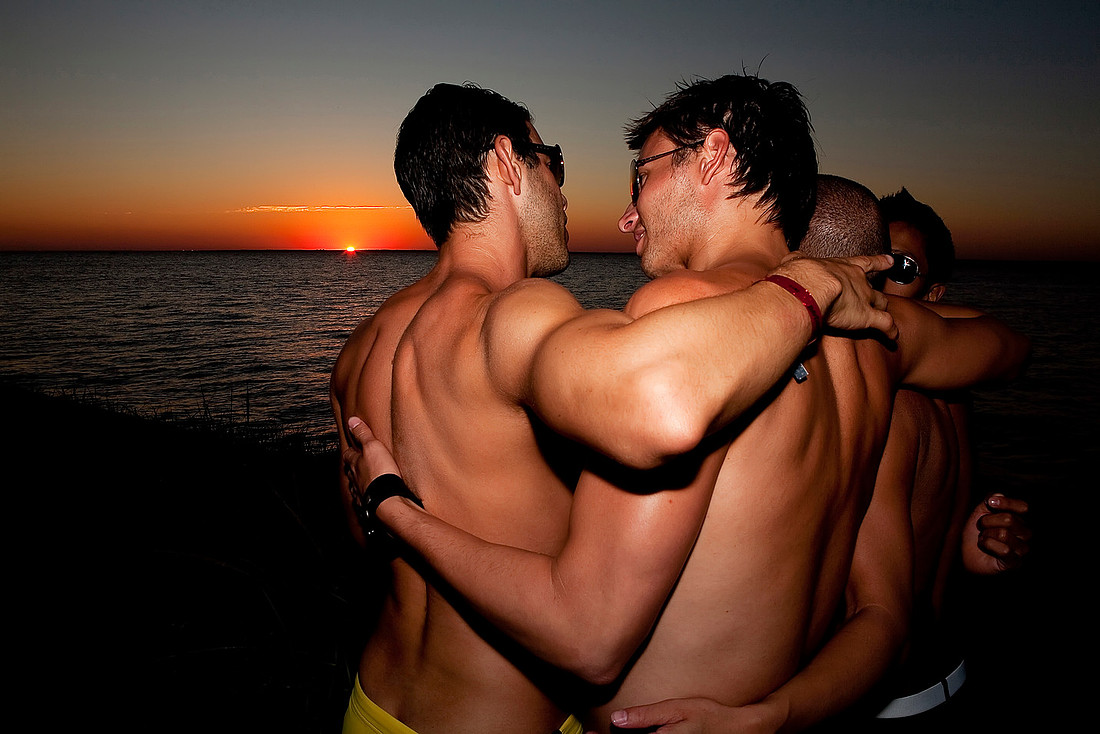
Fire Island itself is an active participant in every portrait.
The beaches, dunes, boardwalks, waterfronts, gardens, and distinctive architecture provide more than beautiful settings—they communicate a sense of place that is inseparable from the people being photographed.
Natural light, open landscapes, and seasonal changes shape the atmosphere of each image, creating portraits that feel connected to the environment rather than isolated from it.
These visual elements help viewers understand not only who is being photographed but where their stories unfold.
Portrait Photography as Historical Record
As communities evolve, portrait photography becomes increasingly valuable.
Faces change.
Generations succeed one another.
Buildings disappear.
Traditions evolve.
Portraits preserve these transitions, creating a visual timeline that future historians, researchers, and community members can revisit.
For LGBTQ+ communities, whose histories have often been overlooked or excluded from traditional archives, portrait photography provides an essential record of lived experience.
Belonging in Front of the Camera
One of the defining qualities of Fire Island portraiture is its sense of belonging.
Rather than observing from a distance, many photographs emerge from relationships built over years of trust, friendship, and shared experiences. This closeness allows subjects to appear naturally, revealing genuine expressions rather than formal poses.
The resulting portraits communicate authenticity, warmth, and connection—qualities that define both the photographs and the community they document.
Building an Archive of Queer Life
Taken individually, each portrait captures a single moment.
Viewed together, thousands of portraits become something much larger: a visual archive documenting the evolution of LGBTQ+ life on Fire Island.
They preserve artists and activists, performers and residents, celebrations and quiet conversations, ensuring that future generations can see the people whose lives shaped this extraordinary community.
Through photography, koitz continues to expand an archive that celebrates diversity, creativity, resilience, and belonging—one portrait at a time.
Frequently Asked Questions
What makes Fire Island portrait photography unique?
Fire Island portrait photography reflects the history, culture, and community of Fire Island Pines and Cherry Grove, where LGBTQ+ people have gathered for generations. The portraits combine personal identity with a strong sense of place and community.
What does koitz photograph on Fire Island?
koitz photographs portraits, performers, artists, community members, Pride celebrations, drag performances, beach life, architecture, cultural events, and everyday moments throughout Fire Island Pines and Cherry Grove.
Why are portraits important in LGBTQ+ history?
Portraits preserve individual identities while documenting broader social and cultural history. They provide visual evidence of changing communities, fashion, artistic expression, and the diversity of LGBTQ+ life across generations.
How do portraits contribute to a photography archive?
Portraits add personal narratives to an archive, connecting individuals with specific places, events, and communities. Together they create a visual history that complements documentary photography and written records.