What Nudity on Fire Island Really Means | koitz Photography

What Nudity on Fire Island Really Means: Through the Lens of Documentary Photographer koitz
For twenty years, I have photographed life on Fire Island—its beaches, boardwalks, legendary parties, quiet mornings, and unforgettable sunsets. Along the way, one question comes up more than any other:
"Why is nudity such a natural part of Fire Island?"
The answer has very little to do with what people are wearing.
Instead, it has everything to do with freedom.
From Cherry Grove to Fire Island Pines, nudity has long reflected a culture built on acceptance, authenticity, and self-expression. For generations of LGBTQ+ visitors, Fire Island became one of the few places where they could truly be themselves, free from the expectations and prejudices of the outside world.
As a documentary photographer, I've never photographed nudity for shock value. I photograph it because it is part of Fire Island's history.
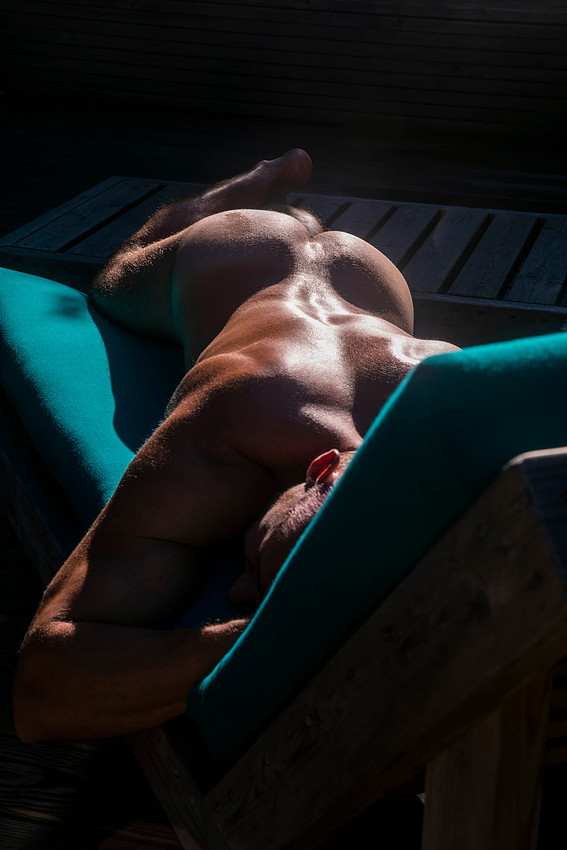

More Than a Beach Destination
Fire Island has never been simply a summer escape.
For decades, it has been a cultural landmark where artists, writers, performers, activists, and members of the LGBTQ+ community found belonging. Long before marriage equality or widespread social acceptance, the island offered something many people couldn't find elsewhere: the freedom to live openly.
That freedom shaped every aspect of life on the island, including the relaxed attitude toward the human body.
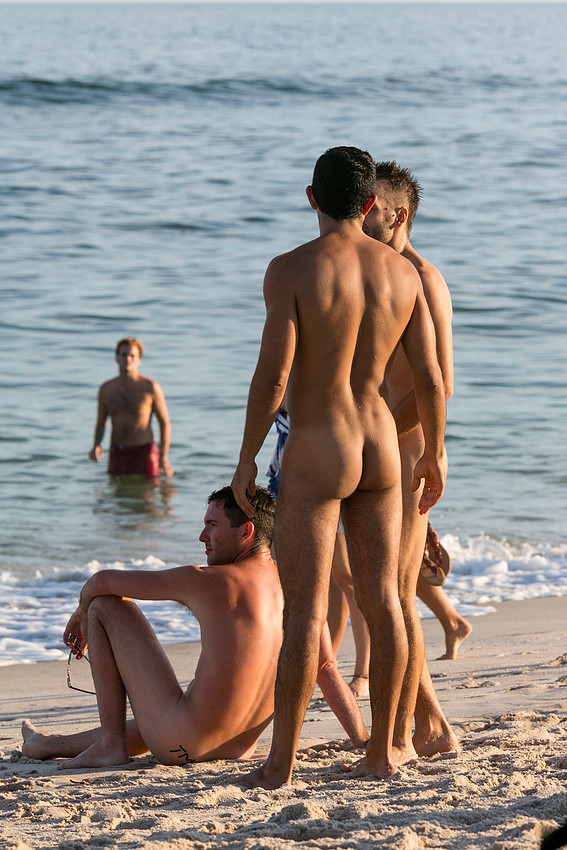
The Human Body Without Judgment
One of the most remarkable things about Fire Island is how quickly the body stops being the focus.
People arrive expecting nudity to be controversial. Instead, they discover that after a few hours, nobody pays much attention.
The beaches become places for conversation, laughter, reading, swimming, and reconnecting with friends. Every body type is represented, and that diversity is precisely what makes the atmosphere so welcoming.
Fire Island reminds us that confidence isn't about perfection—it's about authenticity.
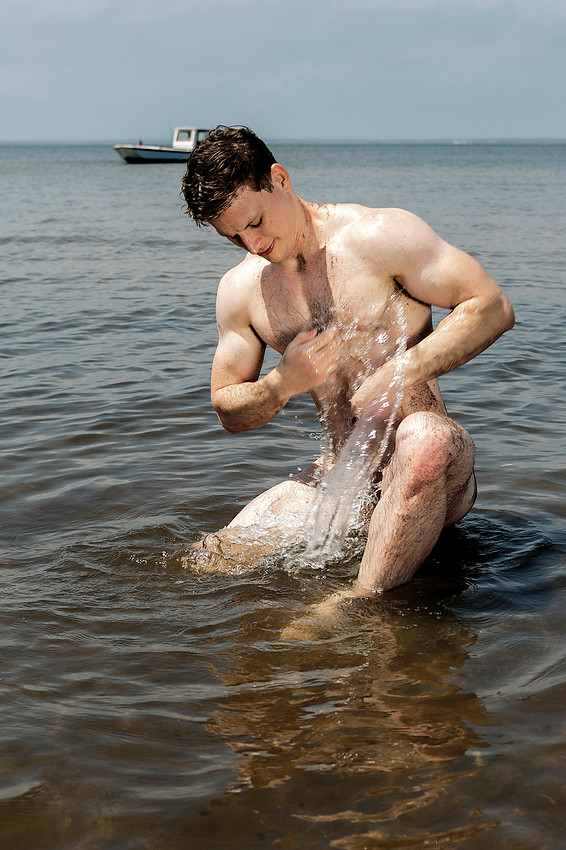
Photographing Reality
Since the early 2000s, I've documented Fire Island as it truly exists.
Some photographs include people dancing until sunrise. Others capture empty boardwalks after a summer storm, quiet afternoons on the beach, or friends embracing during Pride weekend.
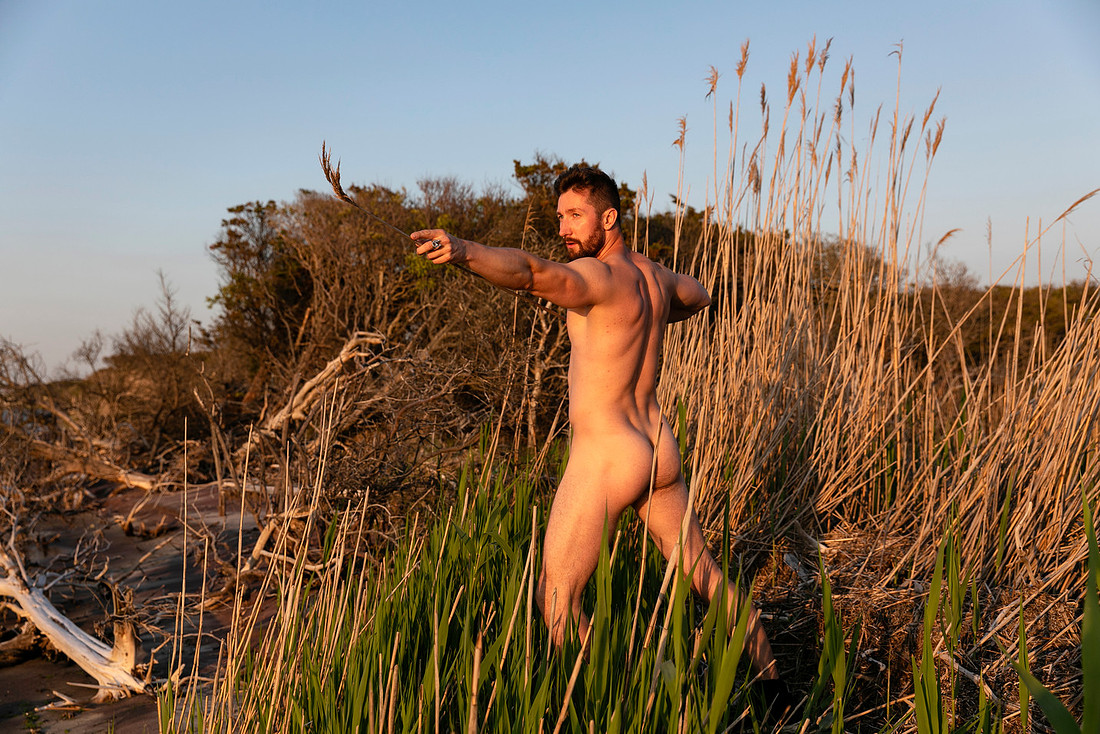
Occasionally, they include nudity.
Those images aren't designed to provoke. They're honest records of a community that has long embraced openness and mutual respect.
Every photograph adds another chapter to a visual archive preserving the history of Fire Island and New York's LGBTQ+ community.
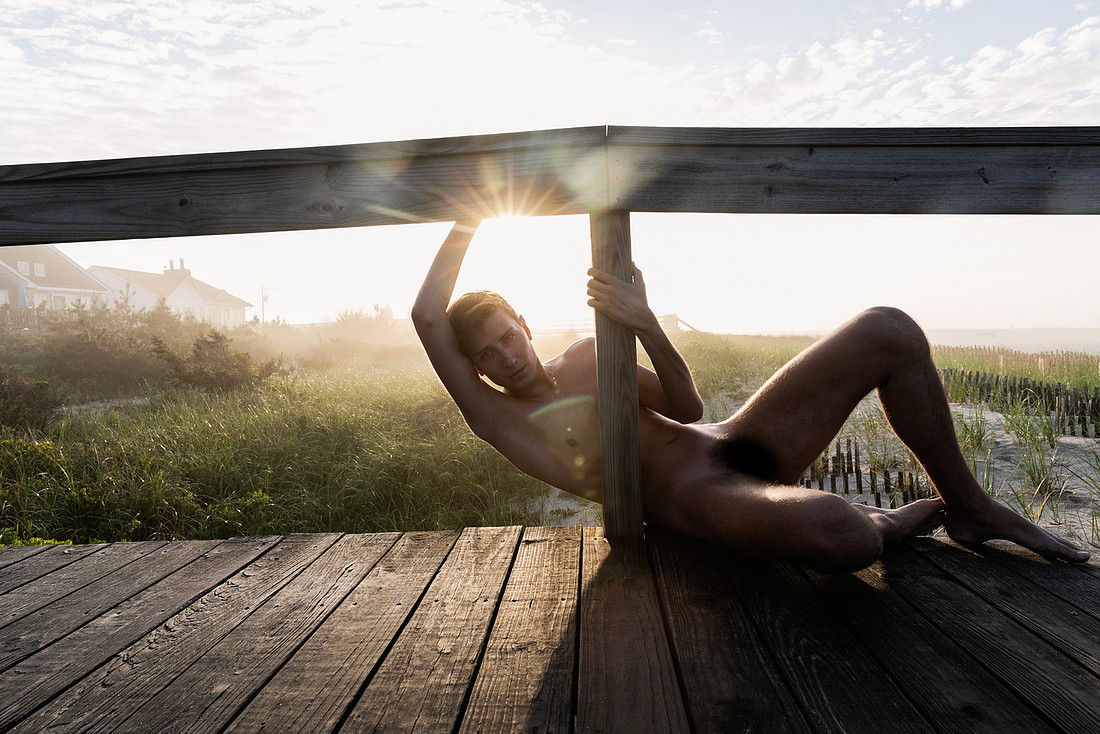
A Living Archive
Many of the places that defined Fire Island have changed over the years.
Nightclubs have closed. Businesses have disappeared. Familiar faces are remembered through photographs.
That's why documentary photography matters.
Every image preserves not only people but also traditions, architecture, friendships, celebrations, and everyday moments that future generations may never experience firsthand.
My goal has always been to create more than beautiful photographs.
I want to preserve the history of a remarkable community.
Why These Photographs Matter Today
At a time when millions of images are uploaded every day, documentary photography has become more valuable than ever.
Unlike snapshots designed for social media, documentary photographs preserve context. They tell stories. They become historical evidence.
For more than twenty-five years, I've been fortunate to document Fire Island from within its community, creating a visual record that reflects not only its famous nightlife and beaches but also its humanity.
The story of nudity on Fire Island isn't about nudity at all.
It's about belonging.
It's about acceptance.
It's about finding a place where people can finally feel comfortable in their own skin.
And that story deserves to be preserved.