How Strangers Become Portrait Subjects | Gay Fire Island Photographer koitz

Every memorable portrait begins with a simple conversation.
For more than two decades, gay photographer in Fire Island koitz has photographed artists, performers, activists, visitors, and complete strangers throughout Fire Island Pines, Cherry Grove, New York City, and beyond. While many people assume the best portraits require elaborate planning or professional models, some of my most meaningful photographs have begun with a chance encounter.
The camera may capture the image, but trust creates the portrait.
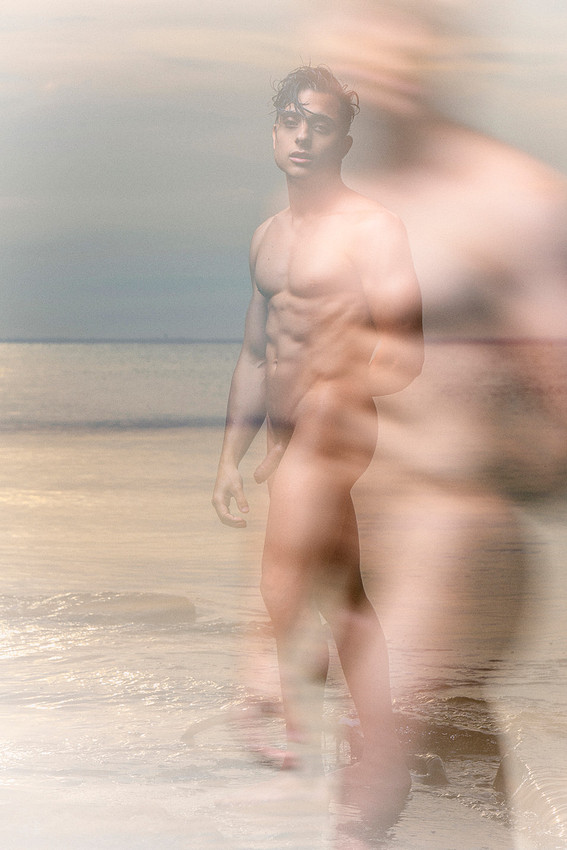

Every Stranger Has a Story
As a documentary photographer, koitz believes that everyone has a story worth preserving.
Whether he is walking the boardwalks of Fire Island, exploring the streets of Manhattan, or attending an LGBTQ+ community event, he often meets people whose personality immediately draws his attention. Sometimes it's a smile. Sometimes it's confidence, style, or simply the way they carry themselves.
Before he ever thinks about making a photograph, he reminds myself that the person standing in front of him is far more important than the picture he hope to create.
Photography begins with people, not cameras.
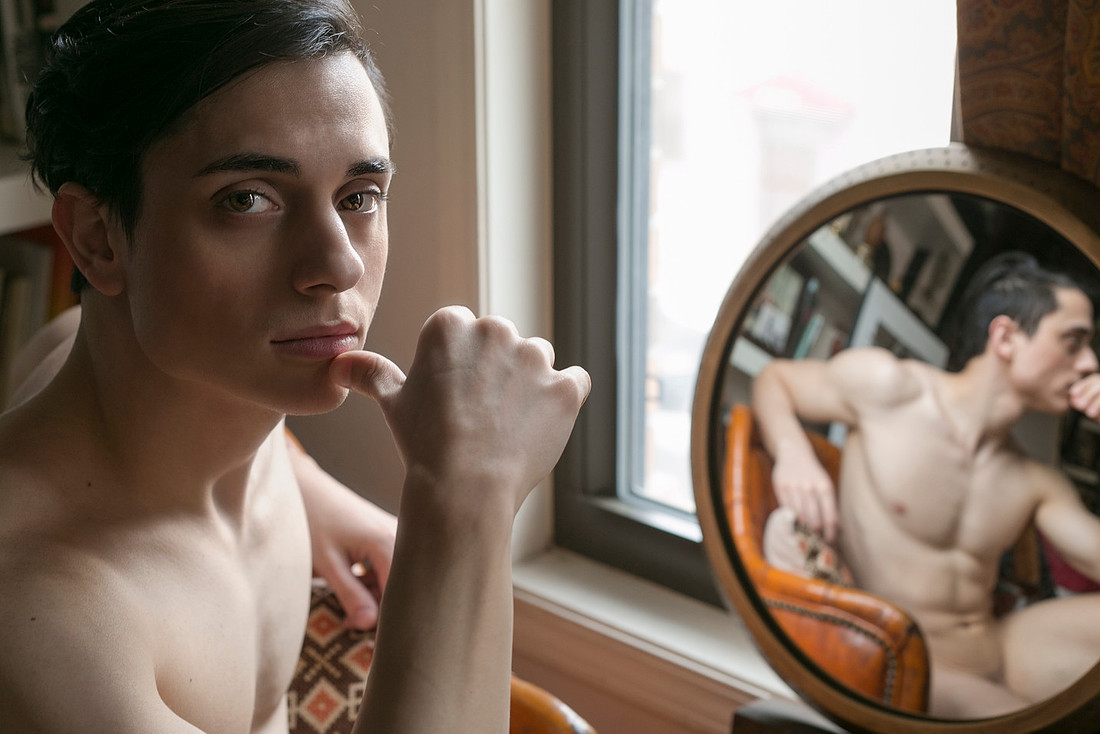
It Always Starts with a Conversation
One of the questions koitz asked most often is, "How do you convince strangers to let you photograph them?"
The answer is surprisingly simple.
He doesn't try to convince anyone.
Instead, he introduces himself. They talk. He listens.
Sometimes they discuss Fire Island. Other times they talk about photography, travel, music, or life in New York City. Those conversations create trust, and trust allows people to relax naturally.
Only then he asks if he may make a portrait.
Many of his favorite photographs have been made within minutes of meeting someone for the very first time.

Authentic Portraits Are Never About Perfect Poses
As a gay photographer Fire Island koitz has learned that authenticity is far more compelling than perfection.
He rarely asks someone to smile or strike a particular pose. Instead, He encourages them to be themselves. A thoughtful glance toward the ocean, a quiet laugh, or a moment of reflection often reveals far more than a carefully directed portrait ever could.
The goal isn't to create a flawless image.
The goal is to create an honest one.
Fire Island Inspires Genuine Connection
Fire Island has always been more than a beautiful destination.
For generations, it has been a place where LGBTQ+ people have found acceptance, friendship, creativity, and the freedom to express themselves without judgment.
That atmosphere makes portrait photography feel different.
People often appear more relaxed, more confident, and more willing to share who they truly are. Those qualities can't be manufactured—they grow naturally from a community built on belonging.
Many of the portraits in my archive were made during simple conversations along the boardwalks of Fire Island Pines and Cherry Grove, where strangers often become friends.

Every Portrait Preserves a Moment in Time
Portrait photography is about much more than appearance.
Every face reflects a lifetime of experiences, relationships, dreams, and memories. A single photograph may one day become an important historical record, preserving not only an individual but also the culture and community that shaped their life.
Throughout his career, koitz has photographed people who later became artists, performers, community leaders, and lifelong friends. Others Ihe never saw again.
Yet every portrait remains part of a growing visual archive documenting LGBTQ+ life and the people who continue to shape its history.
Why Documentary Portrait Photography Matters
We live in a world where millions of photographs are shared every day.
Most disappear almost as quickly as they're posted.
Documentary portrait photography is different.
It preserves real people, authentic emotions, and genuine human connection. Years from now, these photographs will tell future generations not only how people looked, but how they lived, celebrated, and built community.
That is why koitz continues making portraits.
Not simply to create beautiful photographs, but to preserve stories that deserve to be remembered.
More Than a Photograph
People often ask how strangers become portrait subjects.
The answer has never changed.
It begins with kindness.
A conversation becomes trust.
Trust becomes a portrait.
And that portrait becomes part of history.
As gay photographer in Fire Island koitz believes every stranger has a story worth telling. His role is simply to listen first, then create a photograph that honors the person standing in front of the lens.
Because the greatest portraits are never really about photography.
They're about people.