Where Photography Preserves Queer History
Every photograph has a story.
For more than two decades, I've documented LGBTQ+ life through my camera—from the boardwalks of Fire Island Pines and Cherry Grove to the streets, theaters, and nightlife of New York City. Along the way, I've met remarkable artists, performers, activists, and everyday people whose stories deserve to be remembered.
This journal is where I share those stories.
You'll find original essays about queer history, Fire Island, documentary photography, portrait sessions, exhibitions, books, and the creative process behind my work. I'll also revisit photographs from my archive, revealing the moments, people, and memories behind the images.
Whether you're passionate about photography, LGBTQ+ culture, visual storytelling, or the history of Fire Island, I invite you to explore the people and places that have inspired my work for more than two decades.
These aren't just photographs—they're a living archive of a community, captured one moment at a time.
Welcome to the journal.
— koitz
The Photographs that Became Gay Fire Island
The Photographs That Became Gay Fire Island
Every photography book begins long before the first page is designed. It starts with years of observation, thousands of photographs, and a desire to preserve moments that might otherwise disappear.
For photographer koitz, Gay Fire Island was never intended as simply a collection of beautiful images. It became a visual history of a remarkable LGBTQ+ community—one shaped by friendship, creativity, celebration, resilience, and belonging.
Published in 2020, the book brings together fourteen years of photographs made in Fire Island Pines and Cherry Grove, two communities that have played an essential role in modern LGBTQ+ history. The images document not only iconic events and legendary parties but also the quieter moments that define everyday life: conversations on boardwalks, afternoons on the beach, portraits of friends, performers preparing backstage, sunsets shared with chosen family, and the rhythms of summer that have drawn generations to Fire Island.
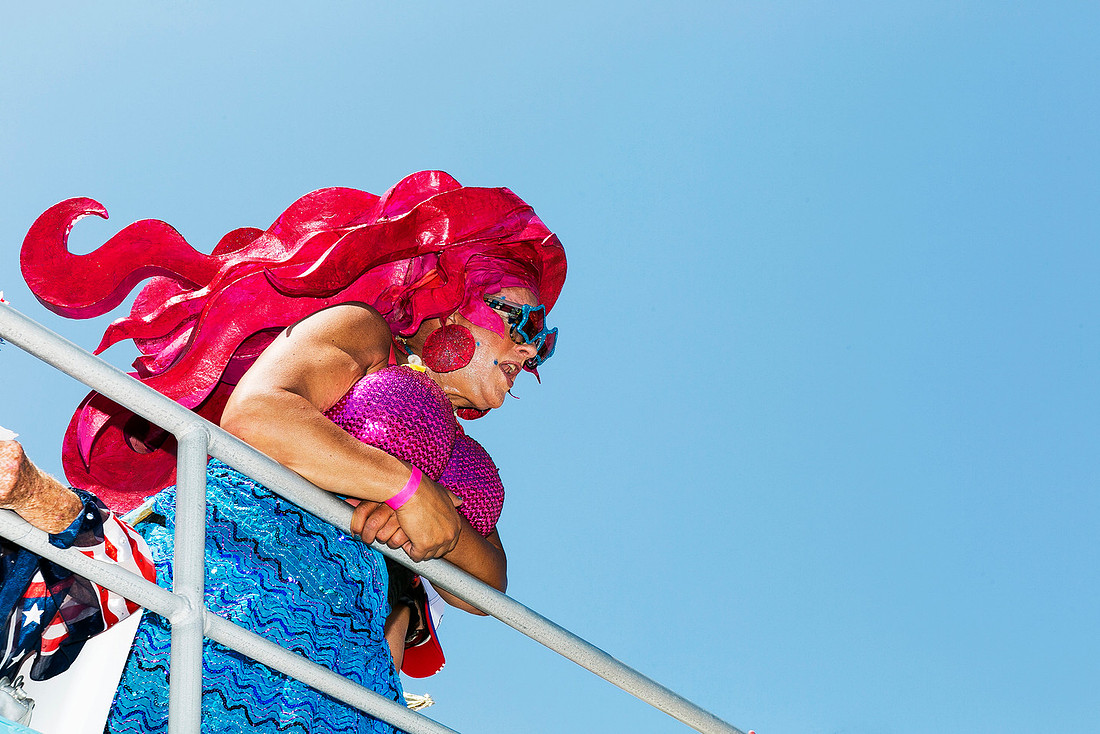

Photographing Without Knowing There Would Be a Book
When many of the photographs were made, there was no plan to publish them.
The work grew naturally through years of living within the community, camera in hand, documenting people and places as they evolved. The photographs accumulated season after season, becoming an increasingly rich archive of LGBTQ+ life.
Only later did it become clear that the collection represented something larger than individual images. Together they told the story of a community and a place that deserved to be preserved.
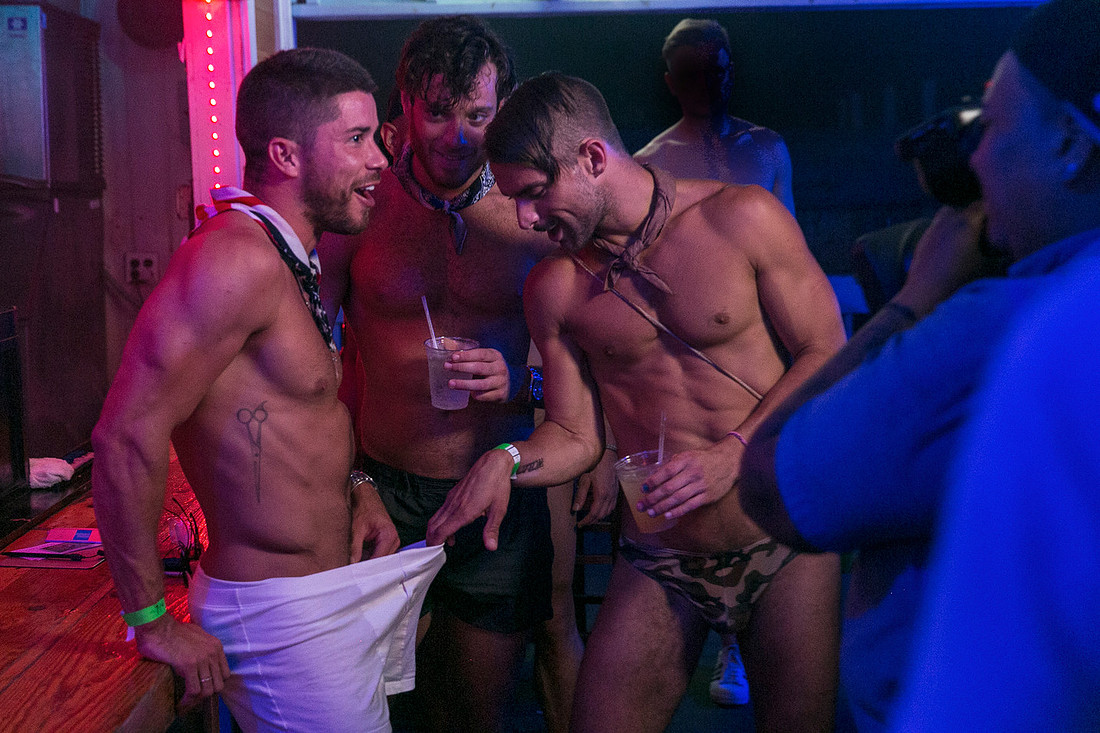
More Than Beaches and Parties
Fire Island is often associated with beaches, architecture, and summer celebrations. While those elements are certainly part of its identity, they represent only a small part of the story.
The photographs in Gay Fire Island explore the many dimensions of community life:
- Portraits of friends and longtime residents
- Drag performances and cabaret
- Pride celebrations
- Artists and performers
- Everyday moments
- Beach culture
- Community gatherings
- Quiet landscapes
- Intimate conversations
- Shared traditions
Together these images reveal a place where identity, creativity, and belonging intersect.
Building a Visual Archive
As the collection expanded, it became clear that the photographs documented more than personal memories.
They preserved changing architecture, evolving fashions, community traditions, public events, and the people who shaped Fire Island's cultural life. Many of the individuals photographed returned year after year, allowing the archive to document the passage of time as well as the continuity of community.
Viewed together, the photographs form one of the most comprehensive visual records of contemporary LGBTQ+ life on Fire Island.
Editing Thousands of Images
Creating a photography book is an act of selection.
From thousands of photographs made over fourteen years, only a small number could be included. Each image needed to contribute to a larger narrative rather than simply stand alone.
The editing process focused on balancing portraits with landscapes, celebrations with quieter moments, well-known figures with everyday community members, and documentary observation with visual storytelling.
The result is a book that reflects both the energy and the intimacy of Fire Island.
A Book About Community
Although individual photographs feature specific people, Gay Fire Island is ultimately a portrait of community.
It celebrates friendships formed over decades, chosen families, artistic expression, and the freedom that Fire Island has offered generations of LGBTQ+ people.
The photographs show a place where people gather not only to escape everyday life but to create lasting relationships and shared traditions.
Recognition and Legacy
Following its publication, Gay Fire Island was recognized by photography curator Elizabeth Avedon as one of the outstanding photography books of 2020.
More importantly, the book has become part of a growing effort to preserve LGBTQ+ visual history. Museums, archives, researchers, and readers increasingly recognize the importance of documenting communities whose stories have often been overlooked in traditional historical records.
As Fire Island continues to evolve, the photographs in Gay Fire Island preserve a particular moment in its cultural history while contributing to a broader understanding of queer life in America.
Continuing the Archive
The publication of Gay Fire Island did not mark the end of the project.
Photography continues.
New portraits are made each season.
Community traditions evolve.
New generations arrive while longtime residents continue to shape the character of Fire Island.
The archive grows alongside the community it documents, ensuring that today's photographs will become tomorrow's history.
Gay Fire Island is therefore more than a photography book. It represents one chapter in an ongoing commitment to documenting LGBTQ+ life through photography, preserving not only remarkable images but also the stories, relationships, and communities that give those images meaning.
Frequently Asked Questions
What is Gay Fire Island?
Gay Fire Island is a photography book by koitz, published in 2020, featuring fourteen years of documentary and portrait photography from Fire Island Pines and Cherry Grove.
What does the book document?
The book documents LGBTQ+ community life, including portraits, artists, performers, Pride celebrations, beach culture, architecture, nightlife, and everyday moments that define Fire Island.
Why was Gay Fire Island created?
The book was created to preserve an important visual history of Fire Island's LGBTQ+ communities and to share photographs that collectively document more than a decade of community life.
Is the project still ongoing?
Yes. koitz continues to photograph Fire Island, expanding an archive that now spans decades and documents the continuing evolution of LGBTQ+ culture and community.
Fire Island Portraits: Community, Performance and Belonging | LGBTQ+ Photography by koitz
Fire Island Portraits: Community, Performance, and Belonging
Portrait photography has long played an important role in documenting LGBTQ+ history. More than simply recording a person's appearance, a portrait can capture identity, confidence, friendship, performance, and a sense of belonging. On Fire Island, where generations of LGBTQ+ people have gathered to celebrate community and self-expression, portraits become both personal memories and historical documents.
For more than two decades, koitz, a Basque-American queer photographer, has created portraits throughout Fire Island Pines and Cherry Grove, documenting the people who have shaped one of the world's most significant LGBTQ+ communities. His work celebrates not only well-known performers and artists but also friends, neighbors, visitors, and longtime residents whose stories form the fabric of Fire Island's cultural life.
Portraiture as Community Documentation
Every portrait tells two stories.
The first belongs to the individual—their personality, style, confidence, and presence.
The second belongs to the community that surrounds them.
Fire Island has always been more than a vacation destination. For many LGBTQ+ people, it represents a place where identity can be expressed openly, friendships become chosen family, and creativity flourishes. Portrait photography preserves these experiences, documenting the people who have built and sustained this unique community over time.
By photographing individuals across decades, koitz has created an archive that reflects both personal identity and collective history.
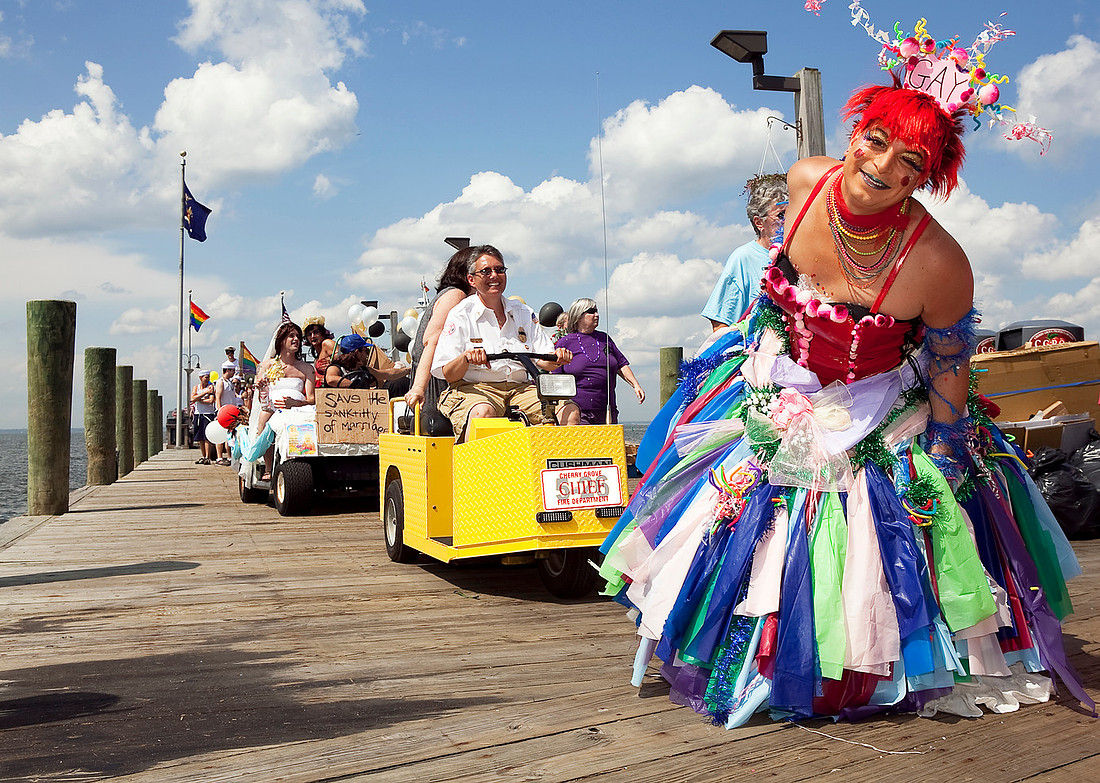
Performance as Identity
Performance is woven into the culture of Fire Island.
Drag artists, musicians, dancers, actors, DJs, and entertainers have transformed stages, beaches, homes, and public spaces into places of creativity and celebration. Portraits of performers capture far more than costumes or theatrical moments—they reveal confidence, artistry, humor, vulnerability, and self-expression.
Whether photographed backstage, during rehearsals, at community events, or in spontaneous moments, these portraits preserve the creative energy that has long defined Fire Island's cultural landscape.
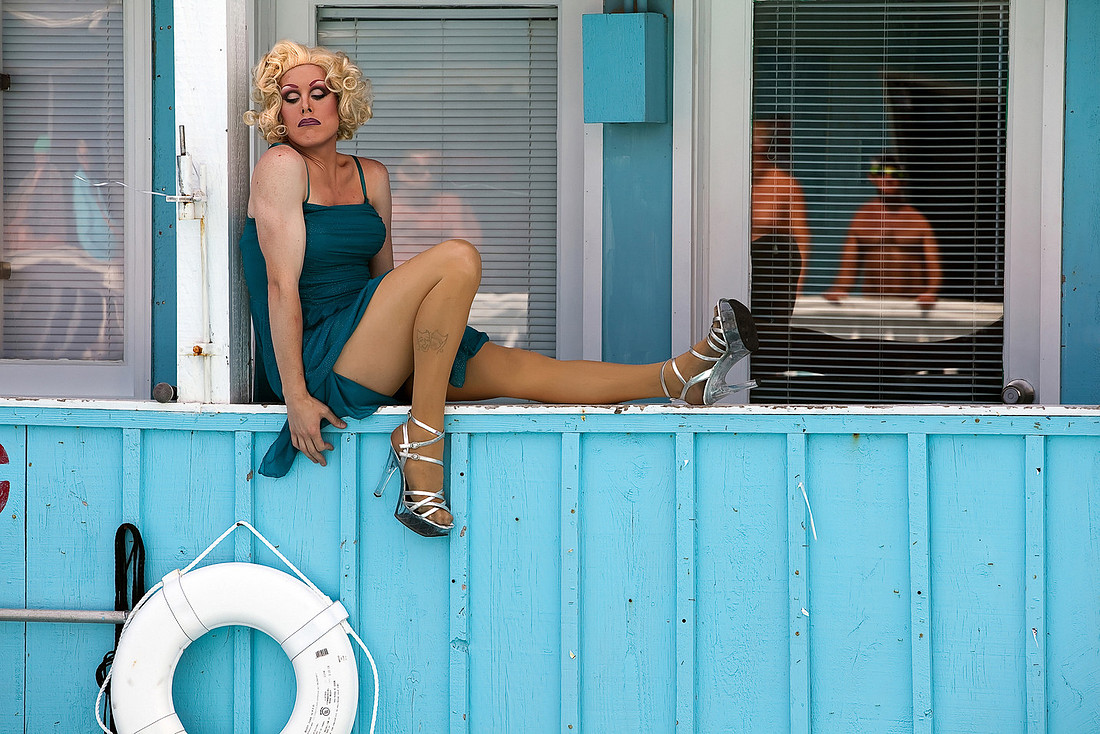
Portraits Beyond Celebrity
While koitz has photographed internationally recognized artists and performers, his archive places equal importance on everyday members of the community.
A portrait of friends walking the beach, neighbors gathering for sunset, or longtime residents sharing stories contributes just as much to the historical record as photographs of public figures.
This democratic approach reflects the belief that LGBTQ+ history is created collectively. Every individual contributes to the evolving story of Fire Island.
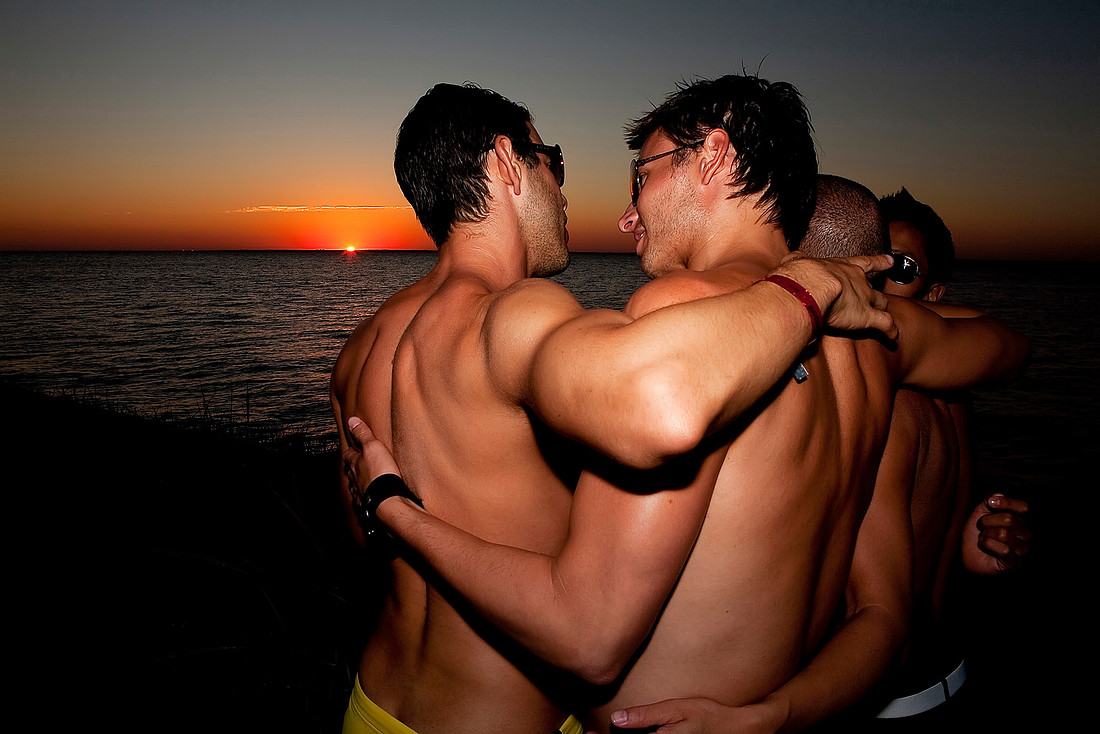
Natural Light and Place
Fire Island itself is an active participant in every portrait.
The beaches, dunes, boardwalks, waterfronts, gardens, and distinctive architecture provide more than beautiful settings—they communicate a sense of place that is inseparable from the people being photographed.
Natural light, open landscapes, and seasonal changes shape the atmosphere of each image, creating portraits that feel connected to the environment rather than isolated from it.
These visual elements help viewers understand not only who is being photographed but where their stories unfold.
Portrait Photography as Historical Record
As communities evolve, portrait photography becomes increasingly valuable.
Faces change.
Generations succeed one another.
Buildings disappear.
Traditions evolve.
Portraits preserve these transitions, creating a visual timeline that future historians, researchers, and community members can revisit.
For LGBTQ+ communities, whose histories have often been overlooked or excluded from traditional archives, portrait photography provides an essential record of lived experience.
Belonging in Front of the Camera
One of the defining qualities of Fire Island portraiture is its sense of belonging.
Rather than observing from a distance, many photographs emerge from relationships built over years of trust, friendship, and shared experiences. This closeness allows subjects to appear naturally, revealing genuine expressions rather than formal poses.
The resulting portraits communicate authenticity, warmth, and connection—qualities that define both the photographs and the community they document.
Building an Archive of Queer Life
Taken individually, each portrait captures a single moment.
Viewed together, thousands of portraits become something much larger: a visual archive documenting the evolution of LGBTQ+ life on Fire Island.
They preserve artists and activists, performers and residents, celebrations and quiet conversations, ensuring that future generations can see the people whose lives shaped this extraordinary community.
Through photography, koitz continues to expand an archive that celebrates diversity, creativity, resilience, and belonging—one portrait at a time.
Frequently Asked Questions
What makes Fire Island portrait photography unique?
Fire Island portrait photography reflects the history, culture, and community of Fire Island Pines and Cherry Grove, where LGBTQ+ people have gathered for generations. The portraits combine personal identity with a strong sense of place and community.
What does koitz photograph on Fire Island?
koitz photographs portraits, performers, artists, community members, Pride celebrations, drag performances, beach life, architecture, cultural events, and everyday moments throughout Fire Island Pines and Cherry Grove.
Why are portraits important in LGBTQ+ history?
Portraits preserve individual identities while documenting broader social and cultural history. They provide visual evidence of changing communities, fashion, artistic expression, and the diversity of LGBTQ+ life across generations.
How do portraits contribute to a photography archive?
Portraits add personal narratives to an archive, connecting individuals with specific places, events, and communities. Together they create a visual history that complements documentary photography and written records.
Why Context Matters in a Queer Photography Archive | Preserving LGBTQ+ Visual History
Why Context Matters in a Queer Photography Archive
A photograph can capture a smile, a celebration, or a fleeting moment in time. But without context, even the most compelling image can lose much of its meaning. In a queer photography archive, context transforms photographs into historical documents, preserving not only what happened but also why it mattered.
For more than three decades, koitz, a Basque-American queer photographer, filmmaker, and journalist, has documented LGBTQ+ life in Fire Island Pines, Cherry Grove, and New York City. His archive extends far beyond a collection of images. It preserves the people, places, relationships, traditions, and cultural moments that have shaped queer communities across generations.
As LGBTQ+ history continues to gain recognition, contextual archives are becoming invaluable resources for historians, curators, educators, journalists, and future generations seeking to understand the evolution of queer life.

A Photograph Is Only the Beginning
Photography records what the camera sees. Context explains what the camera cannot.
Every archival photograph raises important questions:
- Who created the image?
- Who appears in the photograph?
- Where and when was it taken?
- What event or community does it represent?
- Why is this moment historically significant?
Answering these questions gives photographs lasting historical value.
A portrait taken on the beach at Fire Island may appear to be a simple summer scene. With contextual information, however, it becomes part of the history of one of America's most influential LGBTQ+ communities, documenting decades of community, artistic expression, activism, and chosen family.
Documenting LGBTQ+ Life Beyond the Headlines
Much of LGBTQ+ history has focused on landmark events such as the Stonewall uprising, the HIV/AIDS crisis, or marriage equality. While these moments remain essential, everyday life is equally important.
Through documentary photography, koitz has spent decades recording the quieter moments that define community:
- Pride celebrations
- Drag performances
- Artists and performers
- Beach culture
- Nightlife
- Portraits
- Community gatherings
- Cultural traditions
- Public art
- Friendships and chosen families
These photographs reveal the richness of queer life beyond headlines, preserving joy, creativity, intimacy, and resilience.
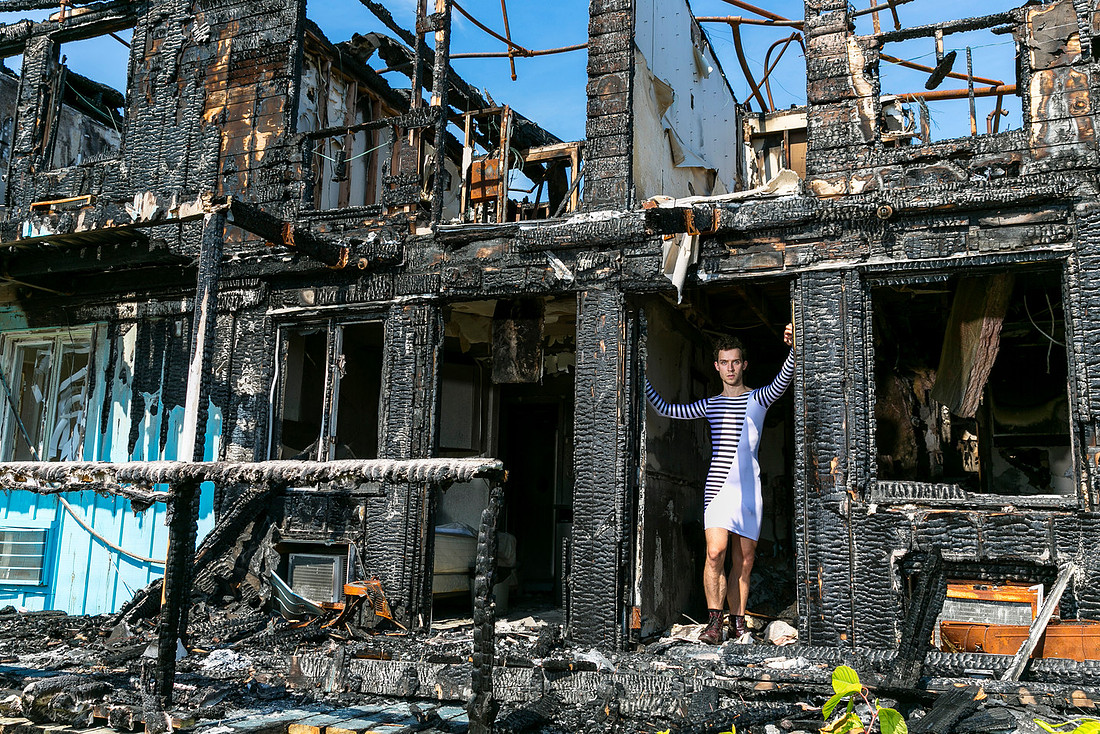 Fire Island as a Living Archive
Fire Island Pines and Cherry Grove occupy a unique place in LGBTQ+ history. For generations, these communities have served as places of freedom, artistic experimentation, activism, and belonging.
By photographing Fire Island over more than twenty years, koitz has created an extensive visual archive documenting how these communities have evolved while maintaining their cultural identity.
His photographs preserve changing architecture, social traditions, public events, nightlife, performances, and everyday interactions that might otherwise disappear from the historical record.
Why Metadata Matters
A photography archive is far more than a folder of images.
The information attached to every photograph—often called metadata—is what makes an archive useful.
Metadata may include:
- Date
- Location
- Event
- Names of individuals
- Keywords
- Captions
- Historical notes
- Photographer information
Without metadata, photographs become anonymous images.
With careful documentation, they become searchable historical records that researchers, museums, publishers, and educators can understand decades later.
Respecting Identity through Documentation
Queer archives carry an ethical responsibility.
Language surrounding gender identity and sexual orientation evolves over time. Archivists must document photographs accurately while respecting how individuals identified themselves.
When identities are uncertain, uncertainty should be acknowledged rather than replaced with assumptions. This approach strengthens both historical integrity and community trust.
More than Documentary Photography
Although documentary photography often emphasizes observation, queer archives also preserve emotion.
Portraits capture confidence.
Celebrations reveal belonging.
Performances express identity.
Everyday interactions show community.
Together these moments create a richer understanding of LGBTQ+ culture than historical events alone.
This human perspective is one of the defining characteristics of koitz's archive, balancing historical documentation with artistic portraiture that celebrates beauty, individuality, and connection.
Building a Visual History for Future Generations
Photography has become one of the most important ways to preserve LGBTQ+ history because many stories were never formally recorded elsewhere.
Archives built today will become historical resources tomorrow.
Future historians may study photographs to understand:
- Changing communities
- Fashion and design
- Public spaces
- Performance art
- Activism
- Social customs
- Architecture
- Cultural identity
By preserving both images and their context, archives ensure these stories remain accessible long after the moments themselves have passed.
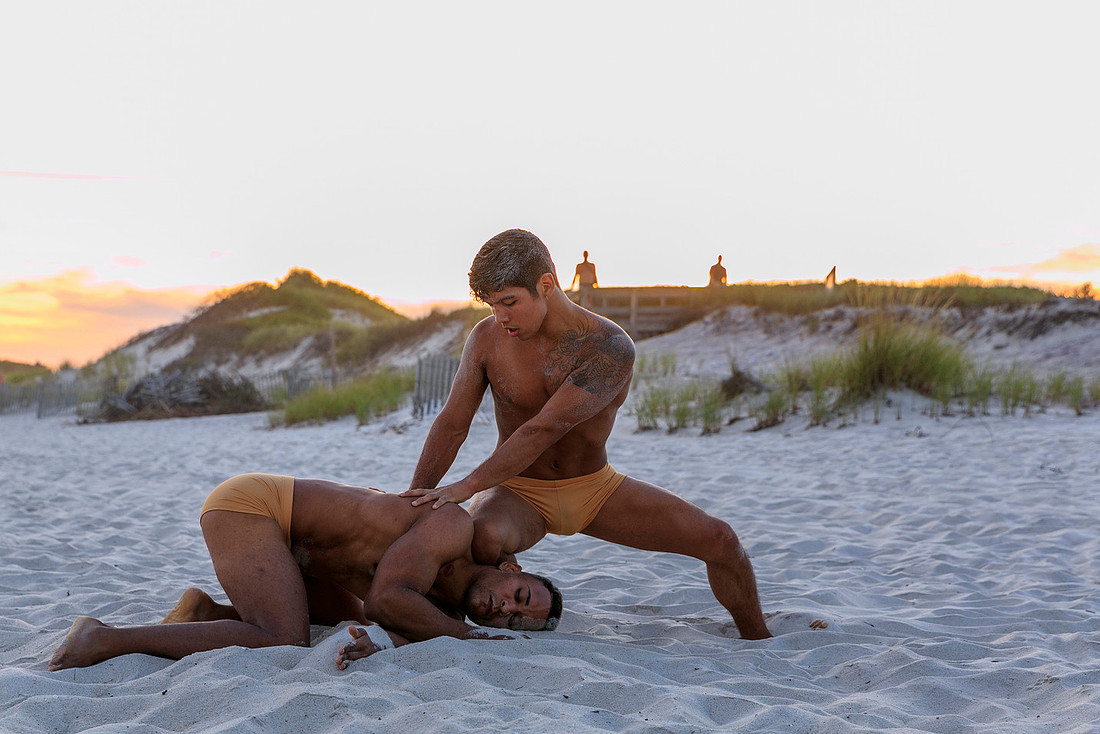 The Importance of Context
A queer photography archive is not simply a gallery of beautiful photographs.
It is a living record of identity, community, resilience, and cultural memory.
Context transforms individual images into interconnected stories, linking people with places, events with history, and personal experiences with broader social change.
Through photography, filmmaking, journalism, books, and public history projects, koitz has dedicated his career to preserving these stories. His archive demonstrates that documenting LGBTQ+ life is not only about recording the past—it is about ensuring that future generations can see themselves reflected in an authentic and enduring visual history.
Frequently Asked Questions
What is a queer photography archive?
A queer photography archive is a curated collection of photographs documenting LGBTQ+ people, communities, events, and culture. When supported by accurate descriptions and historical information, these archives preserve important aspects of queer history for future generations.
Why is context important in archival photography?
Context explains who appears in a photograph, when and where it was taken, and why it matters. Without context, historical photographs can lose meaning or be misunderstood.
What does koitz document?
koitz documents LGBTQ+ life in Fire Island Pines, Cherry Grove, and New York City through documentary photography, portraiture, filmmaking, journalism, and publishing. His work focuses on community, culture, artists, Pride celebrations, nightlife, and the evolving history of queer life.
Why is Fire Island significant in LGBTQ+ history?
Fire Island Pines and Cherry Grove have long been among the most influential LGBTQ+ communities in the United States, serving as places of community, artistic expression, activism, and social life. They remain important cultural landmarks within queer history.
How does photography preserve LGBTQ+ history?
Photography captures people, places, traditions, and everyday experiences that may not appear in written records. Combined with metadata and historical context, photographs become valuable evidence of LGBTQ+ cultural history.
Cherry Grove & Fire Island Pines | koitz Photo Archives
From Cherry Grove to the Pines: Two Communities, One Archive
Fire Island is more than a destination. For generations, it has been a place of refuge, freedom, creativity, and belonging for LGBTQ+ people. At its heart are two legendary communities —Cherry Grove and Fire Island Pines— each with its own distinct personality, history, and traditions.
For koitz, a documentary photographer who has spent years photographing life on Fire Island, these communities are not separate stories. They are chapters of the same living archive.
Through thousands of photographs, koitz has documented the people, landscapes, celebrations, and everyday moments that define life in Cherry Grove and Fire Island Pines. Together, these images form an evolving visual record of one of the world's most significant LGBTQ+ cultural landscapes.
Cherry Grove: Where Community Began
Founded in the early twentieth century, Cherry Grove became one of America's first places where LGBTQ+ people could gather openly and build a community. Long before acceptance became more widespread, the Grove offered something rare—a place where people could live authentically.
Its narrow wooden boardwalks, colorful cottages, beach gatherings, and legendary drag culture have shaped generations of artists, writers, performers, and activists.
For a documentary photographer, Cherry Grove offers more than beautiful scenery. It offers stories.
Morning conversations on front porches.
Neighbors greeting one another on the boardwalk.
Sunsets shared with friends.
These everyday moments often become the most enduring photographs.

Fire Island Pines: A Community That Continues to Evolve
Just across the harbor lies Fire Island Pines, internationally known for its modern architecture, vibrant social life, and rich cultural history.
The Pines has long attracted artists, designers, photographers, and professionals from around the world, creating a unique blend of creativity and community.
Its iconic boardwalks, striking beach houses, and expansive dunes provide an unforgettable setting, but the true character of the Pines comes from its people.
Every summer brings new visitors, while longtime residents return to reconnect with lifelong friends, creating traditions that continue across generations.
One Island, Two Perspectives
Visitors often compare Cherry Grove and Fire Island Pines.
In reality, they complement one another.
Cherry Grove offers intimacy, artistic expression, and historic charm.
Fire Island Pines reflects architectural elegance, cultural evolution, and contemporary LGBTQ+ life.
Together they tell the complete story of Fire Island.
For Koitz, photographing both communities means documenting how they intersect—through friendships, celebrations, shared history, and events like The Invasion of the Pines, where the journey from Cherry Grove to the Pines has become an enduring symbol of unity, resilience, and joy.
Building a Living Archive
Unlike individual photographs, long-term documentary projects reveal how communities change over time.
Children become adults.
New friendships are formed.
Landmarks evolve.
Fashion changes.
Traditions continue.
This continuity is what transforms a collection of images into a visual archive.
Over the years, koitz has photographed thousands of moments across Fire Island, creating a body of work that reflects not only major events but also the quieter rhythms of daily life.
These photographs preserve memories that might otherwise fade.
More Than Documentary Photography
Photography can be beautiful.
It can also be historical.
As a Fire Island photographer, koitz approaches every image with the understanding that today's photographs may become tomorrow's historical records.
A spontaneous portrait.
Friends laughing on a boardwalk.
A shared glance during sunset.
The arrival of the ferry during The Invasion.
These moments tell future generations how a community lived, celebrated, and cared for one another.
Why Archives Matter
LGBTQ+ history has too often been overlooked or lost.
Photographs help ensure those stories remain visible.
Every image contributes to a broader understanding of the people who built communities like Cherry Grove and Fire Island Pines—places where countless individuals found acceptance, creativity, and chosen family.
An archive is not simply a collection of photographs.
It is a collective memory.
It reminds us where we have been and helps us understand where we are going.
Fire Island Through the Lens of koitz
For nearly two decades, koitz has returned season after season to photograph Fire Island, building relationships within the communities and documenting their evolution with sensitivity and respect.
His work goes beyond recording events. It captures atmosphere, emotion, and the connections that make Fire Island unlike anywhere else.
From sunrise walks along the beach to celebrations on the harbor, every photograph adds another piece to an ongoing visual story.
Explore the Archive
The photographs of Cherry Grove and Fire Island Pines are more than individual images. Together, they create a lasting archive of LGBTQ+ history, community, and culture.
Whether you have spent summers on Fire Island or are discovering these remarkable communities for the first time, this collection invites you to experience their stories through documentary photography.
Explore the complete Fire Island archive at koitzPhoto.com and discover the people, places, and traditions that continue to shape one of the world's most iconic LGBTQ+ destinations.
The Invasion of the Pines: Fire Island's Most Iconic LGBTQ+ Tradition | Lens of Photographer koitz
Every Fourth of July, a ferry crosses the Great South Bay carrying more than elaborately dressed drag queens. It carries nearly five decades of history, resilience, humor, and Pride
Known as The Invasion of the Pines, this annual tradition has become one of the most celebrated LGBTQ+ events in the United States. For Fire Island photographer koitz, documenting the Invasion is about far more than photographing colorful costumes and festive crowds. It is about preserving the history of a community whose stories deserve to be remembered.
For nearly two decades, koitz has photographed life in Cherry Grove and Fire Island Pines, creating one of the most extensive contemporary visual archives of these historic LGBTQ+ communities. His work captures both the iconic celebrations and the intimate moments that define life on Fire Island.
What Is The Invasion of the Pines?
The Invasion of the Pines began in 1976, after drag performer Terry Warren was refused service at a restaurant in Fire Island Pines because she was wearing drag. In response, friends from neighboring Cherry Grove boarded a ferry in full drag and staged a theatrical "invasion."
What started as a playful protest quickly became a beloved annual tradition celebrating inclusion, self-expression, and LGBTQ+ pride.
Today, thousands gather each Independence Day to welcome the ferry, making The Invasion one of Fire Island's defining cultural events.
Fire Island Through koitz's Lens
As a Fire Island photographer, koitz has spent years documenting the people, traditions, and changing culture of Cherry Grove and Fire Island Pines.
His photographs move beyond event coverage.
They reveal:
- Friendships built over decades
- Quiet moments before celebrations begin
- Reunions on the dock
- Generations celebrating together
- The beauty of Fire Island's beaches, boardwalks, and natural landscapes
This long-term commitment has resulted in an extraordinary photographic archive that documents not only The Invasion but the broader story of LGBTQ+ life on Fire Island.
More Than Beautiful Photographs
Documentary photography is often misunderstood.
It is not simply about recording what happened.
It is about preserving what mattered.
For koitz, every image becomes part of a larger historical narrative.
His photographs preserve emotions that cannot be recreated:
- Anticipation
- Celebration
- Love
- Friendship
- Freedom
- Belonging
These moments become increasingly valuable with time.
As years pass, photographs evolve from personal memories into historical documents.
Why Fire Island Matters
For generations, Fire Island, particularly Cherry Grove and Fire Island Pines, has represented freedom, creativity, and acceptance for LGBTQ+ people.
Long before many LGBTQ+ individuals felt accepted elsewhere, Fire Island offered a place where people could live authentically, build lasting friendships, and celebrate community.
Events like The Invasion continue that tradition today, connecting new generations with the history that shaped these communities.
The Photography of koitz
Born in the Basque Country and based in New York, koitz has built an internationally recognized body of documentary work focused on LGBTQ+ culture. His photographs have been exhibited in galleries, featured in publications, and published in the acclaimed book Gay Fire Island, which documents fourteen years of life in Cherry Grove and Fire Island Pines. His work has also been recognized by curator Elizabeth Avedon and featured by organizations preserving Fire Island's cultural heritage.
What distinguishes koitz's photography is his long-term relationship with the communities he photographs. Rather than observing from a distance, he documents from within, creating images that feel authentic, intimate, and deeply human.
A Living Archive of LGBTQ+ History
Every summer adds another chapter to the visual history of Fire Island.
Every portrait preserves a face.
Every celebration preserves a tradition.
Every photograph ensures that future generations will understand not only what these communities looked like, but how they lived, celebrated, and built spaces of acceptance.
That is the true purpose of documentary photography.
Explore The Complete Fire Island Collection
If you are interested in:
- Fire Island photography
- The Invasion of the Pines
- Cherry Grove
- Fire Island Pines
- LGBTQ+ history
- Documentary photography
- Fine art photography
you can explore koitz's growing archive at koitz Photo, where decades of documentary work continue to preserve one of America's most significant LGBTQ+ cultural landscapes.
Photographing 14 Years of Queer Life on Fire Island
When acclaimed novelist Patrick Ryan encountered koitz Gay Fire Island: It's Good to Be Us, he recognized it as more than a photography book. He saw a deeply human portrait of a community, told through images that reveal not only celebration, but also intimacy, friendship, memory, and belonging.
Ryan is the author of the novel Buckeye, published by Penguin Random House, a New York Times bestseller and a Read with Jenna Book Club selection. He is also the author of the award-winning story collections The Dream Life of Astronauts and Send Me, and serves as editor-in-chief of the literary magazine One Story. His fiction is celebrated for its compassion, emotional depth, and unforgettable characters.
In the following essay, Patrick Ryan reflects on koitz's extraordinary fourteen-year photographic journey through Cherry Grove and Fire Island Pines. With the sensitivity of a novelist and the insight of a lifelong observer of human relationships, Ryan explores how koitz Gay Fire Island: It's Good to Be Us transcends documentary photography to become a lasting record of queer life, love, and community.
His words offer readers another way into the book—not simply as a collection of remarkable photographs, but as a visual narrative that preserves the spirit of Fire Island for generations to come.

koitz Gay Fire Island: It's Good to Be Us
Extract from the Foreword of the book (also published in LiteraryHub.com)
My first trip to Fire Island began like something out of a gothic novel. I was summoned at the last minute, on a gloomy Friday, to join friends out in Cherry Grove. I couldn’t leave until evening, which meant I was going to be part of the mass exodus filing out of Manhattan for the weekend. Already regretting having accepted the invitation, I rushed home after work, overstuffed my back pack with clothes and books, took the subway to Penn Station, pushed my way on to the Long Island Railroad, then dropped into a seat and closed my eyes.
It started raining. The wind picked up. Water slapped against the window where I was resting my head. I had to dash through the downpour to switch trains midway through, and dash again in Sayville, where I barely made the shuttle bus that would take me to the ferry landing. I don’t know if it was due to the weather or my mood or a shared dampening of spirits, but the dozen or so people I waited with on the landing—some with dogs, some dragging family-size ice chests—looked funereal. The sun had gone down. It was chilly for August. And it was still raining.
But then the ferry blew its horn and emerged out of the darkness.
Halfway across the Great South Bay the rain turned to mist. By the time we approached the outer barrier islands the mist had become a dense, moving fog, and the lights that appeared out of the darkness looked as hazy and ephemeral as dandelion blooms. - Patrick Ryan
Patrick Ryan is the author of novel Buckeye, published by Penguin Random House, a New York Times bestseller, as well as The Dream Life of Astronauts and Send Me. Ryan has also published three novels for young adults. His work has appeared in The Best American Short Stories, Tin House, Granta, Crazyhorse, Tales of Two Cities, and elsewhere. The former associate editor of Granta, he is the editor of One Story and lives in New York City.
Gay Fire Island: The Archive Behind the Book
Gay Fire Island: How Photographer koitz Captured 14 Years of LGBTQ Life on Fire Island
Some places are photographed. Others are truly understood.
For photographer koitz, Fire Island became much more than a destination—it became a living archive of one of America's most celebrated LGBTQ communities. Over fourteen summers, he documented the joy, resilience, friendships, traditions, celebrations, and everyday moments that make Cherry Grove and Fire Island Pines unlike anywhere else in the world.
The result is Gay Fire Island: It's Good to Be Us, a photography book that has become an important visual record of contemporary queer life while celebrating a community that has shaped LGBTQ history for generations.
More Than a Photography Book
Unlike travel books or coffee-table collections, Gay Fire Island tells a deeply human story.
Its pages move effortlessly between colorful Pride celebrations, beach gatherings, drag performances, intimate portraits, quiet walks through the dunes, and spontaneous moments between friends. Together, these photographs create a narrative about belonging, freedom, and chosen family.
Rather than photographing Fire Island as an outsider chasing spectacle, koitz spent years earning the trust of the people he photographed. That connection is visible throughout the book, giving readers an authentic glimpse into a community that has long represented liberation for LGBTQ people.
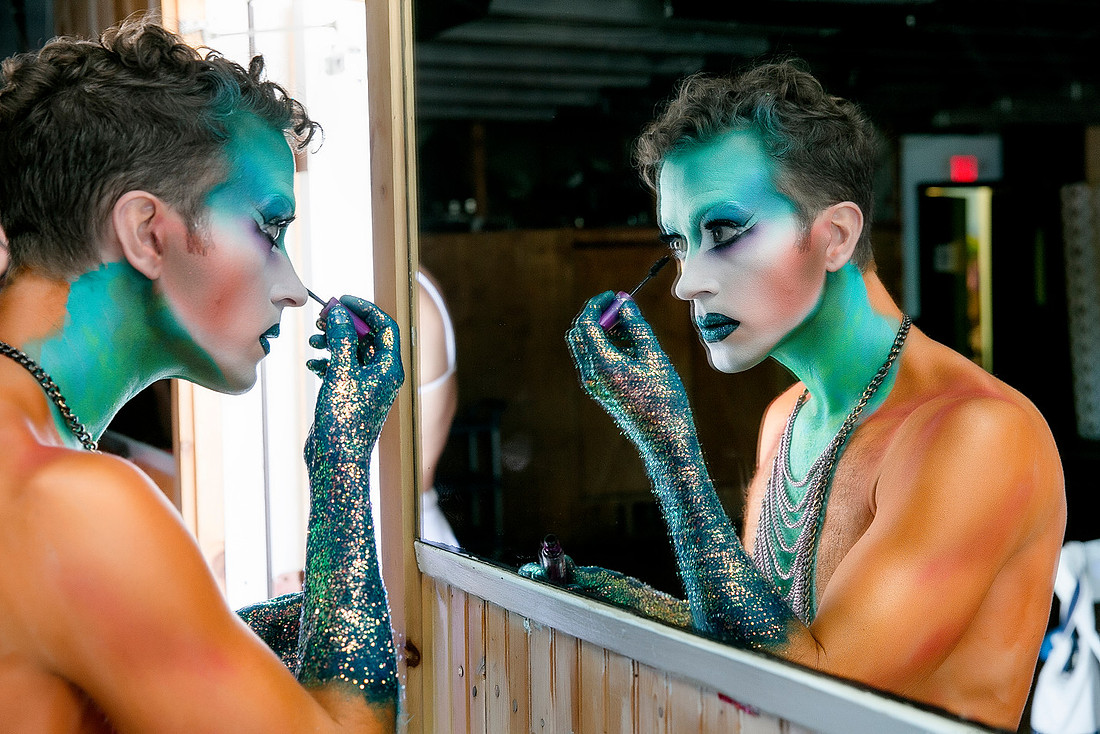
Why Fire Island Matters
For decades, Fire Island has occupied a unique place in LGBTQ history.
Long before equality became part of mainstream conversation, Cherry Grove and Fire Island Pines offered a place where many gay men, lesbians, artists, performers, and creatives could simply be themselves. The island became a refuge for self-expression, creativity, romance, activism, and community, helping shape modern queer culture in America.
That history gives every photograph in Gay Fire Island additional meaning.
These aren't simply vacation memories—they're part of a continuing story of resilience and identity.
Fourteen Years Behind the Lens
What makes the project remarkable is its patience.
Instead of documenting one season, koitz returned year after year, watching people grow older, friendships deepen, traditions evolve, and new generations discover Fire Island for themselves.
This long-term approach transforms the book into something larger than photography.
It becomes a visual history of a community in motion.
Readers encounter familiar traditions like tea dances, the legendary Invasion celebrations, summer parties, beach afternoons, artistic performances, and quiet personal moments that rarely make headlines but define everyday life on the island.
Photography That Celebrates Rather Than Explains
One of the strengths of koitz's work is its honesty.
His photographs never attempt to sensationalize LGBTQ life. Instead, they focus on genuine emotion—laughter between friends, couples embracing, performers preparing backstage, neighbors gathering for celebrations, and individuals comfortable in their own skin.
The images invite viewers to experience Fire Island from within the community rather than observing it from a distance.
That perspective has helped the book resonate with both LGBTQ readers and photography enthusiasts.
An Important Cultural Archive
Every photograph becomes more valuable with time.
As communities evolve and generations change, visual documentation preserves stories that might otherwise disappear.
Gay Fire Island serves not only as an art book but also as a historical archive of contemporary LGBTQ life. Future readers will be able to see how one of America's most influential queer communities celebrated, created, mourned, and lived during the early twenty-first century.
Its significance extends beyond photography—it contributes to the preservation of LGBTQ cultural history.
Why Gay Fire Island Continues to Inspire
Years after its publication, Gay Fire Island remains one of the most distinctive photographic portraits of Fire Island ever produced.
The book reminds readers that behind every famous destination are real people whose stories deserve to be remembered.
For anyone interested in documentary photography, LGBTQ history, visual storytelling, or the enduring spirit of Fire Island, koitz's work offers an intimate look at a place where authenticity has always mattered more than appearances.
More than a collection of beautiful images, Gay Fire Island: It's Good to Be Us is a celebration of community, identity, and the freedom to live openly—one photograph at a time.