Where Photography Preserves Queer History
Every photograph has a story.
For more than two decades, I've documented LGBTQ+ life through my camera—from the boardwalks of Fire Island Pines and Cherry Grove to the streets, theaters, and nightlife of New York City. Along the way, I've met remarkable artists, performers, activists, and everyday people whose stories deserve to be remembered.
This journal is where I share those stories.
You'll find original essays about queer history, Fire Island, documentary photography, portrait sessions, exhibitions, books, and the creative process behind my work. I'll also revisit photographs from my archive, revealing the moments, people, and memories behind the images.
Whether you're passionate about photography, LGBTQ+ culture, visual storytelling, or the history of Fire Island, I invite you to explore the people and places that have inspired my work for more than two decades.
These aren't just photographs—they're a living archive of a community, captured one moment at a time.
Welcome to the journal.
— koitz
Photographer koitz launches a new section on the blog: PHOTO STORY
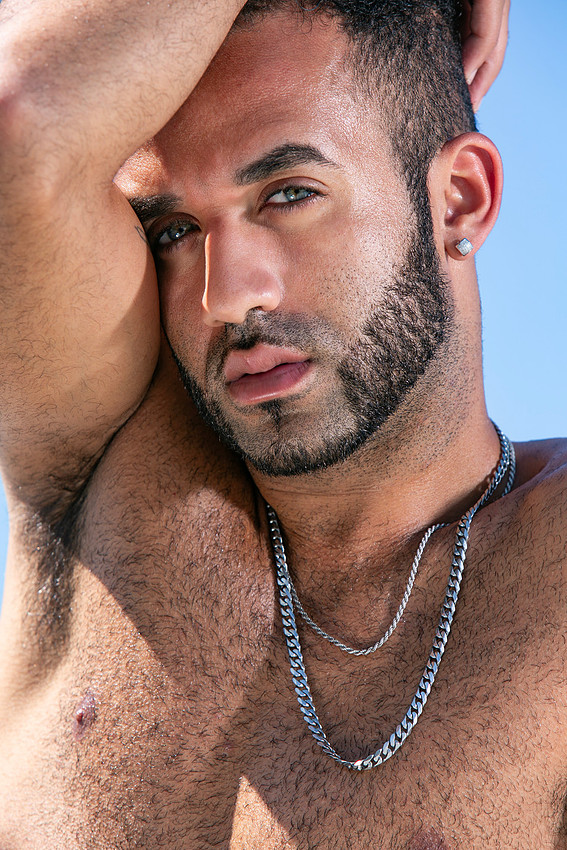
Calvin is the first PHOTO STORY by photographer koitz
It won’t follow a regular schedule. Every now and then, we’ll take a photograph—or a series of photographs—and tell the story behind them.
And we’re starting with Calvin.
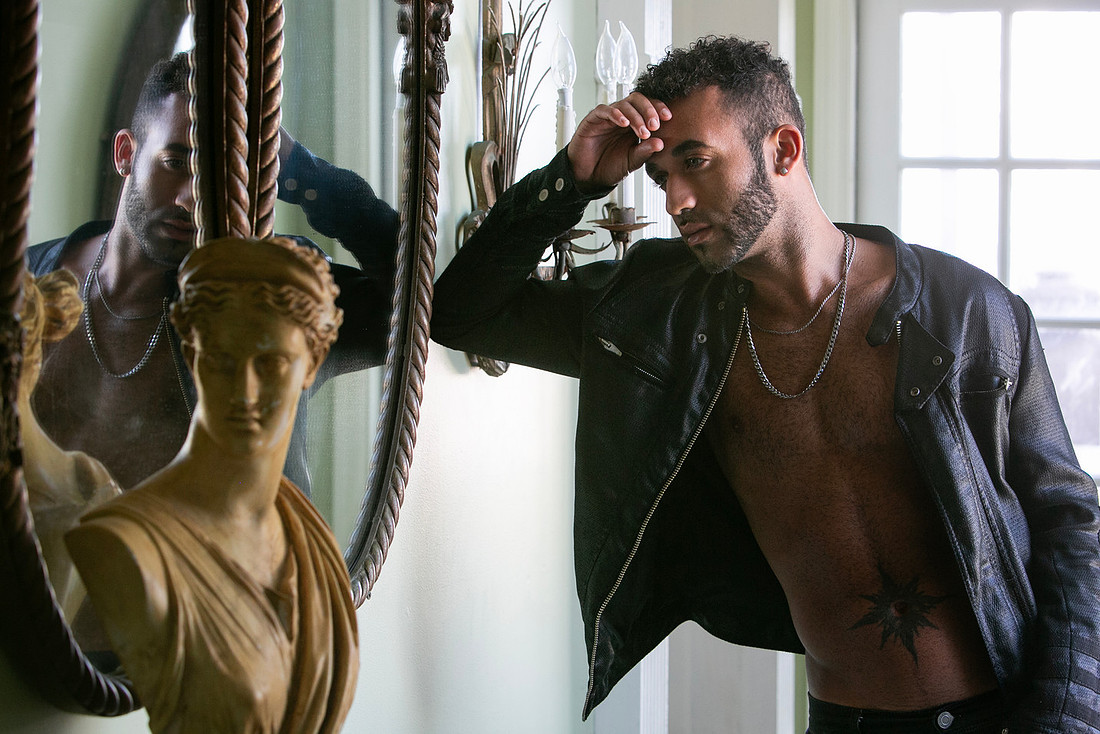

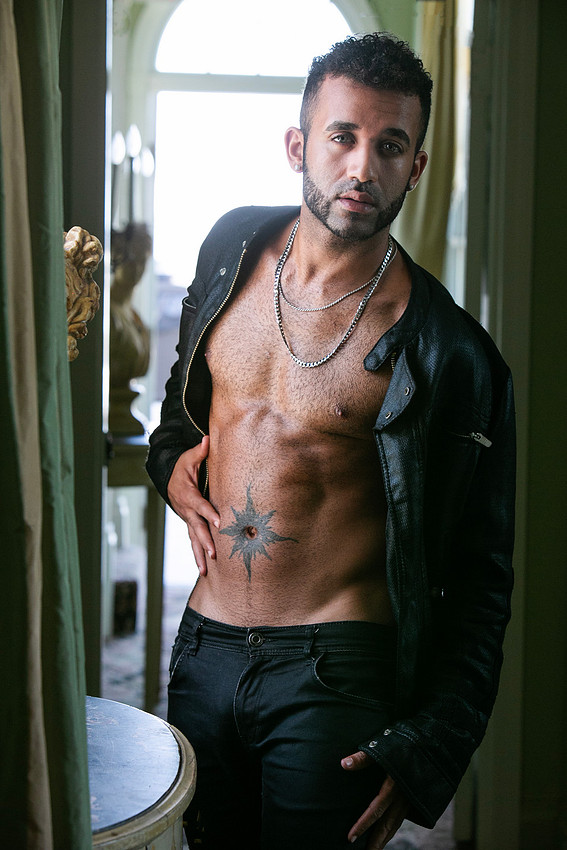
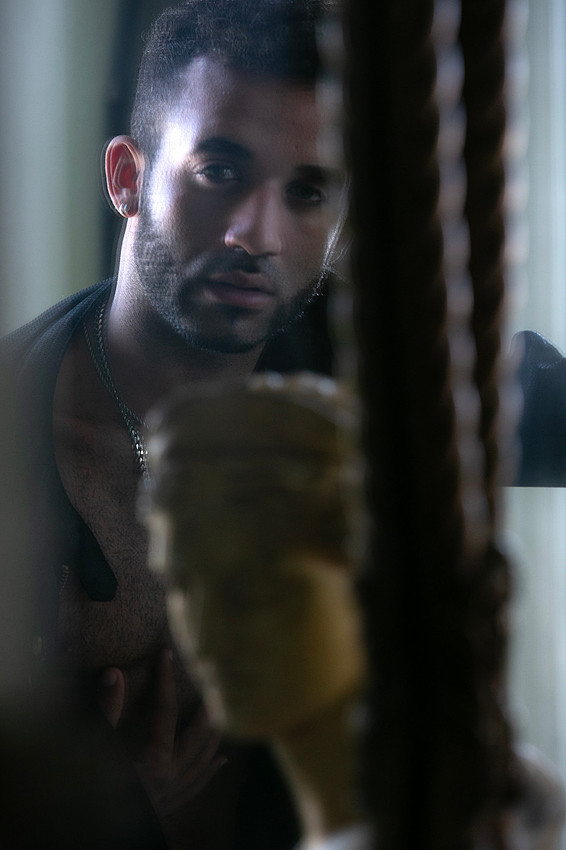
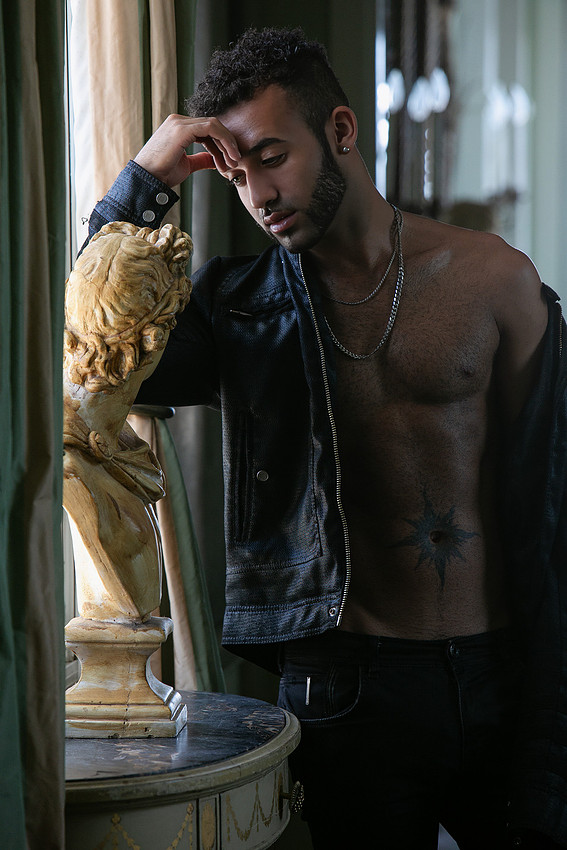
One very hot summer day, Calvin and koitz met at the Belvedere Guest House for Men, on Fire Island, for a photo shoot. The Belvedere is a fabulous place, and over the years, many photographers—including koitz—have used it as a backdrop for photographing beautiful male models.
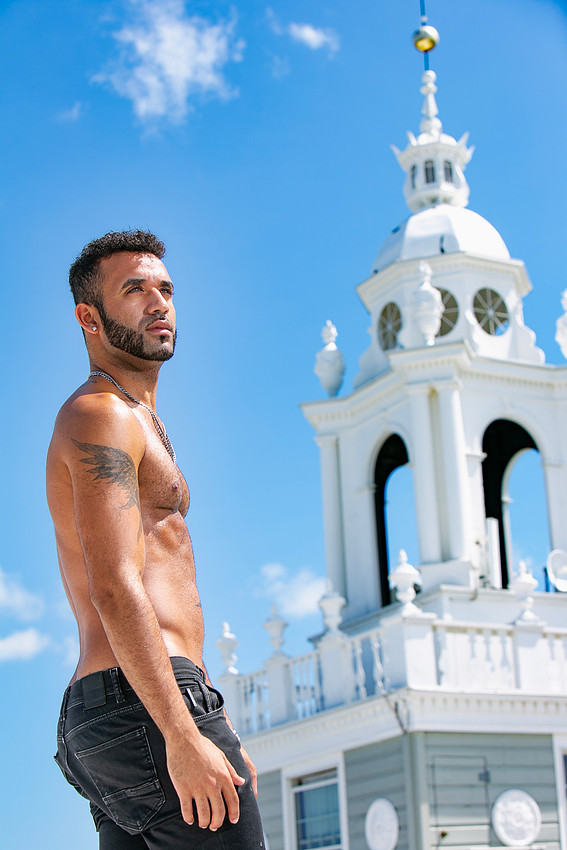
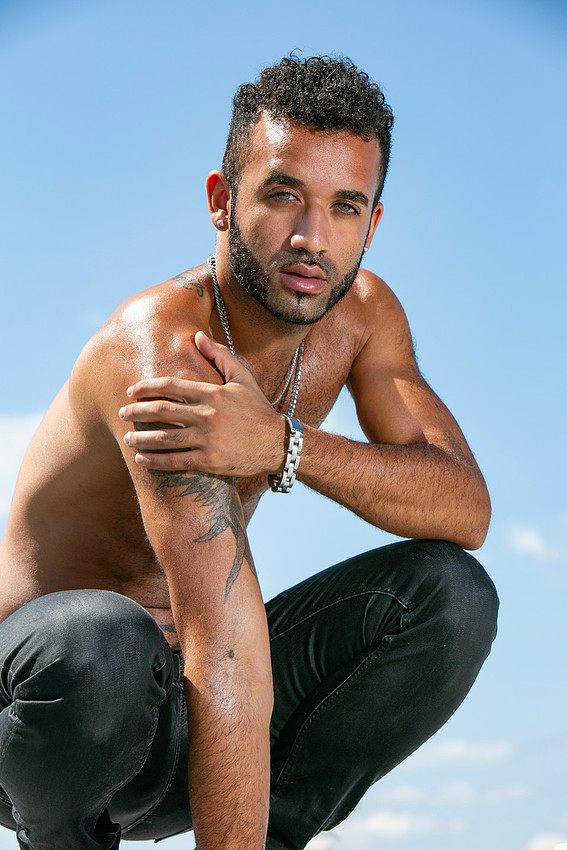
Part Venetian palace, part theatrical fantasy, part intimate guesthouse, it seems almost to belong to another world. Its ornate rooms and extravagant details stand in striking contrast to the simple, laid-back character of the island.
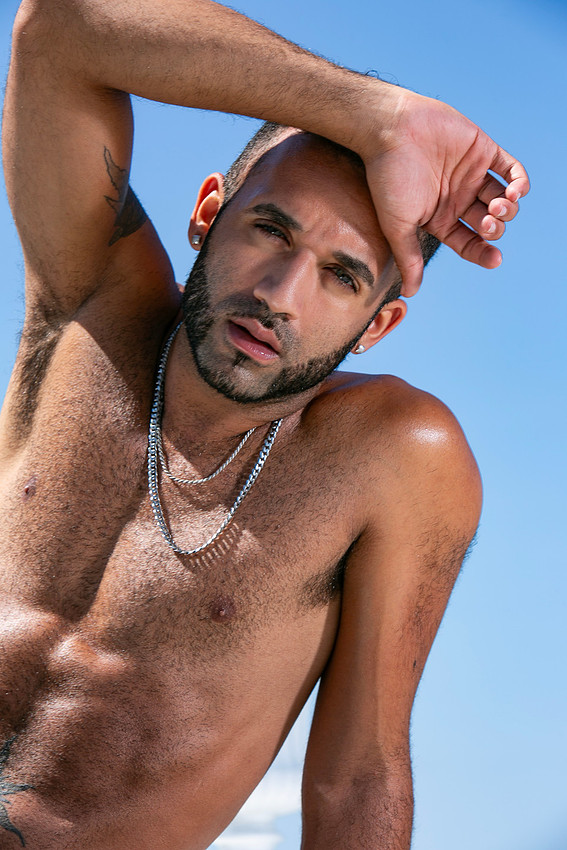
And yet, somehow, that sense of fantasy is exactly what makes the Belvedere feel so unmistakably Cherry Grove.
Spartacus Party, Fire Island’s big end-of-season LGBTQ+ party
Spartacus, the Fire Island Party Not to Be Missed
koitz says that Spartacus Party on Fire Island is one of those rituals worth witnessing at least once.
Every year, as summer begins its slow retreat from Fire Island, Daniel Nardicio and the Belvedere Guest House in Cherry Grove throw open their doors for Spartacus—a celebration that has become one of the island’s most uninhibited queer traditions. Now in its 14th year, Spartacus arrives a little later than usual in 2026, taking place on Saturday, September 19, at the Belvedere.
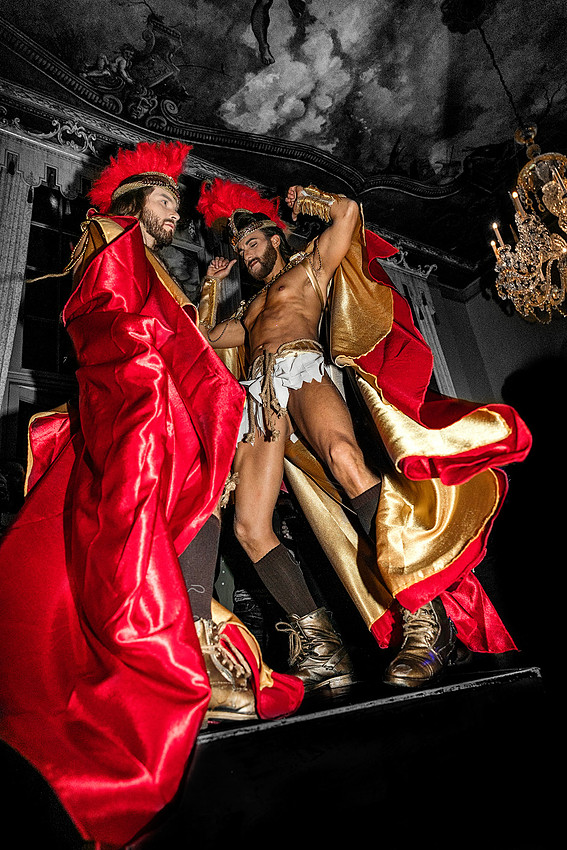
The party wears its excess proudly. Raunchy, campy, body-positive and unapologetically queer, Spartacus is a place where inhibition is left at the door and the body becomes part of the spectacle. Clothing is optional, the atmosphere is deliberately provocative, and the night’s centerpiece is the Mr Nude Belvedere contest, beginning at 10 PM—a gloriously irreverent celebration of nudity, performance and queer freedom.
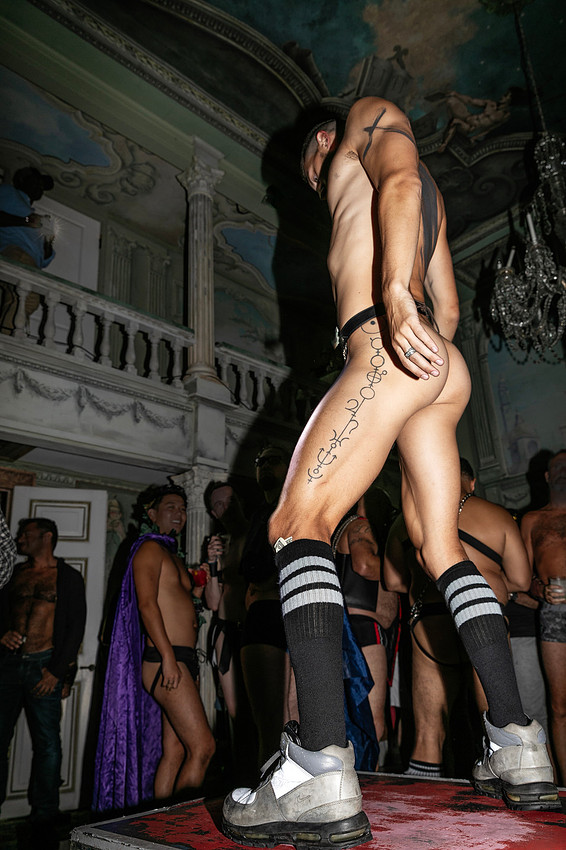
Mr Nude Belvedere
At the heart of Spartacus is the Mr. Nude Belvedere, an outrageous adult male beauty pageant that has become one of the party’s defining spectacles. The organizers cheekily call it “America’s only all nude, all lewd, all dude beauty pageant,” a title that leaves little to the imagination. The winner walks away with $1,000 and the coveted title of Mr. Nude Belvedere.
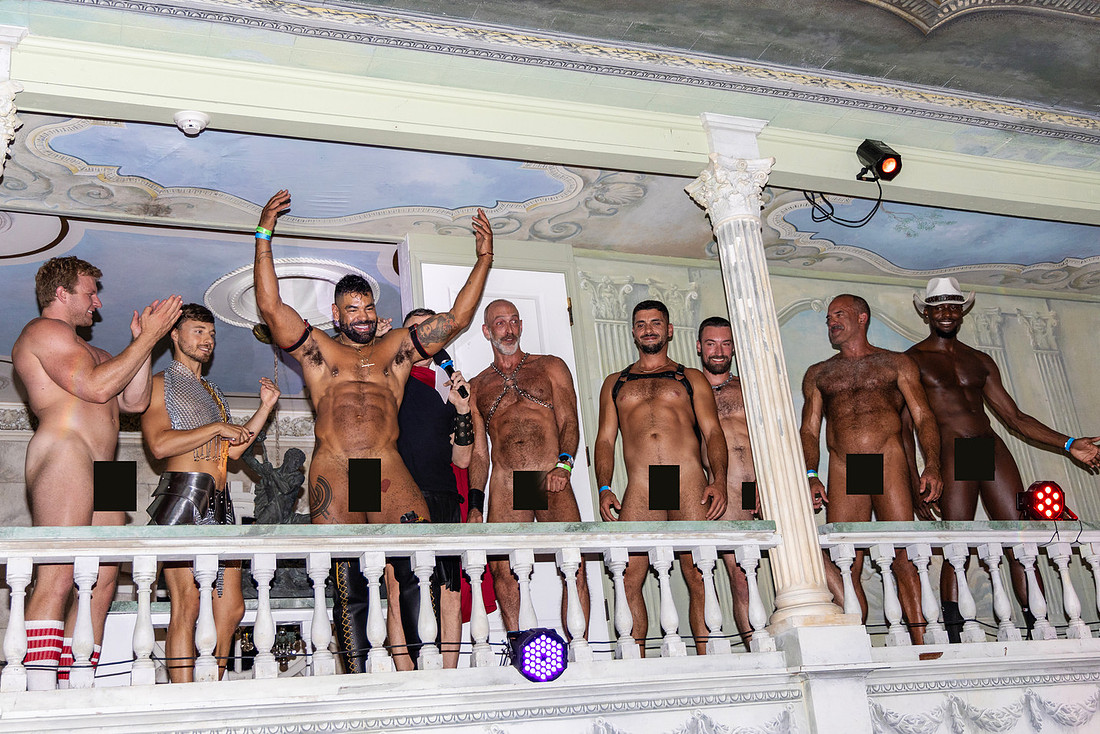
Guiding the proceedings is Daniel Nardicio, whose sharp wit and mischievous sense of humor transform the contest into something far more theatrical than a simple display of flesh. Nudity is only the starting point; personality, humor, confidence, exhibitionism and audience interaction are all part of the performance. The contestants take the stage completely naked, vying for the crowd’s attention as Nardicio orchestrates the evening into a gloriously campy and unabashedly sexual piece of queer theater.
koitz and the Spartacus Party
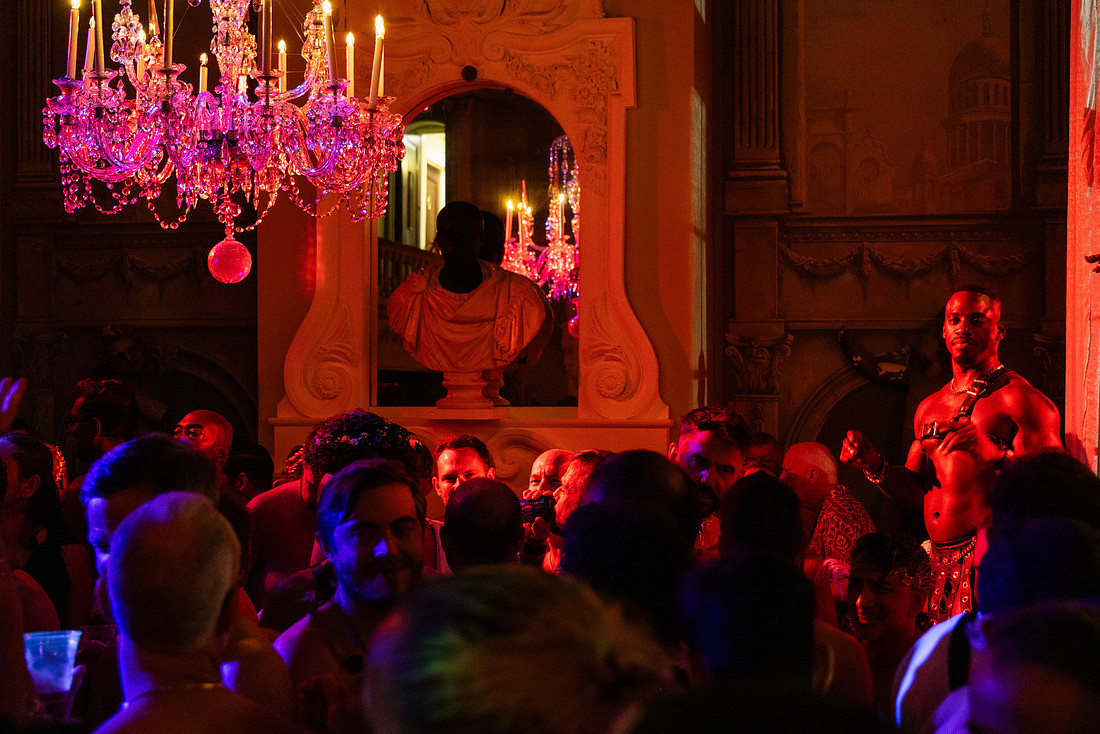
For years, nightlife photographer koitz has returned to Spartacus with his camera, capturing the party in all its unruly, liberated glory. Most of the posters created for the event’s contests feature his photographs, themselves shot on Fire Island, preserving the particular mythology of the night from one season to the next. One of his most iconic images—a completely naked gorgeous go-go boy appears in his 2020 coffee-table book, koitz Gay Fire Island.
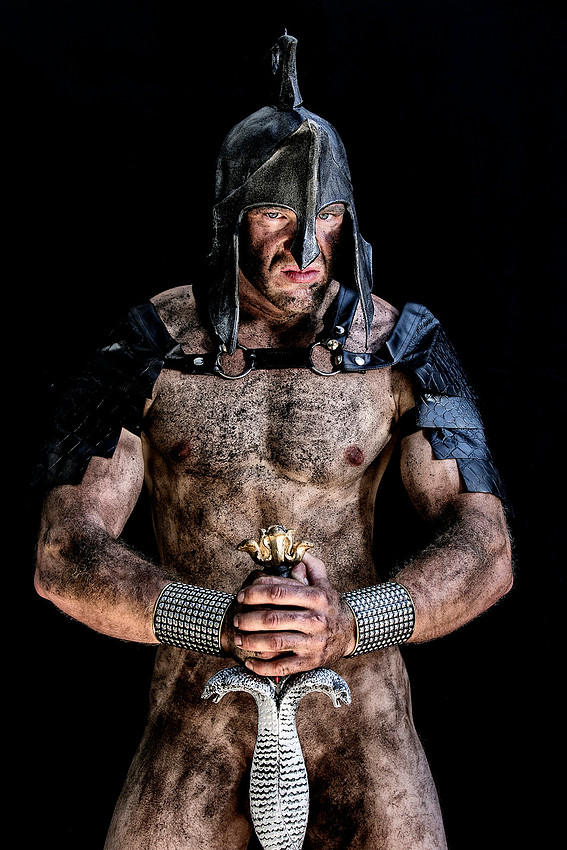
For koitz, Spartacus may be his favorite party of the season. He is drawn to the strange alchemy of it all: the costumes and characters, the uninhibited crowd, the gloriously naked go-go boys, the sense that the usual rules have been temporarily suspended—and, of course, the unapologetic nudity. There is something about the particular freedom of Spartacus that, in his view, sets it apart from anything else in either Cherry Grove or the Pines.
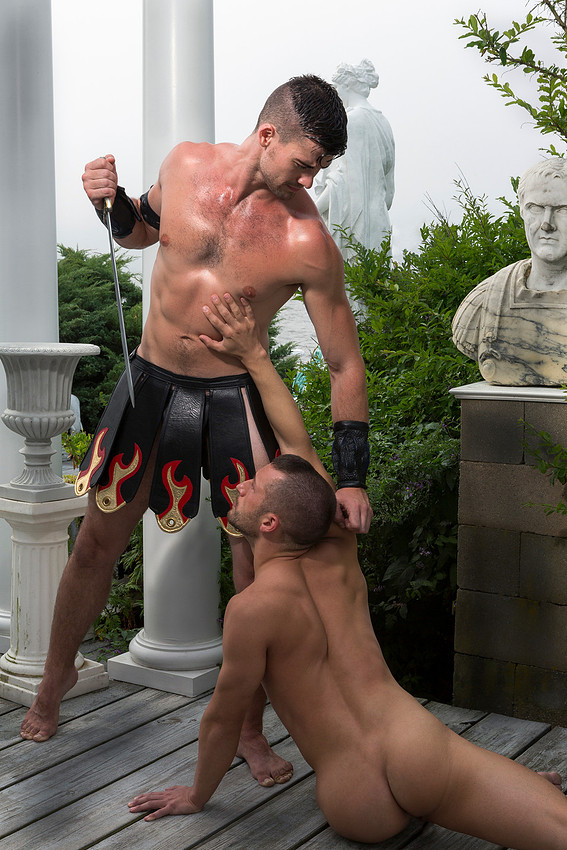
For a queer man who has never experienced it, he says, Spartacus is one of those Fire Island rituals worth witnessing at least once: a night when bodies become costumes, costumes become theater, and the boundary between celebration and spectacle seems to disappear.

The History of the Belvedere Hotel
More than a hotel, the Belvedere is a piece of Fire Island mythology: an extravagant refuge born from tragedy, shaped by theater, and preserved through generations as one of Cherry Grove’s most flamboyant expressions of queer life.
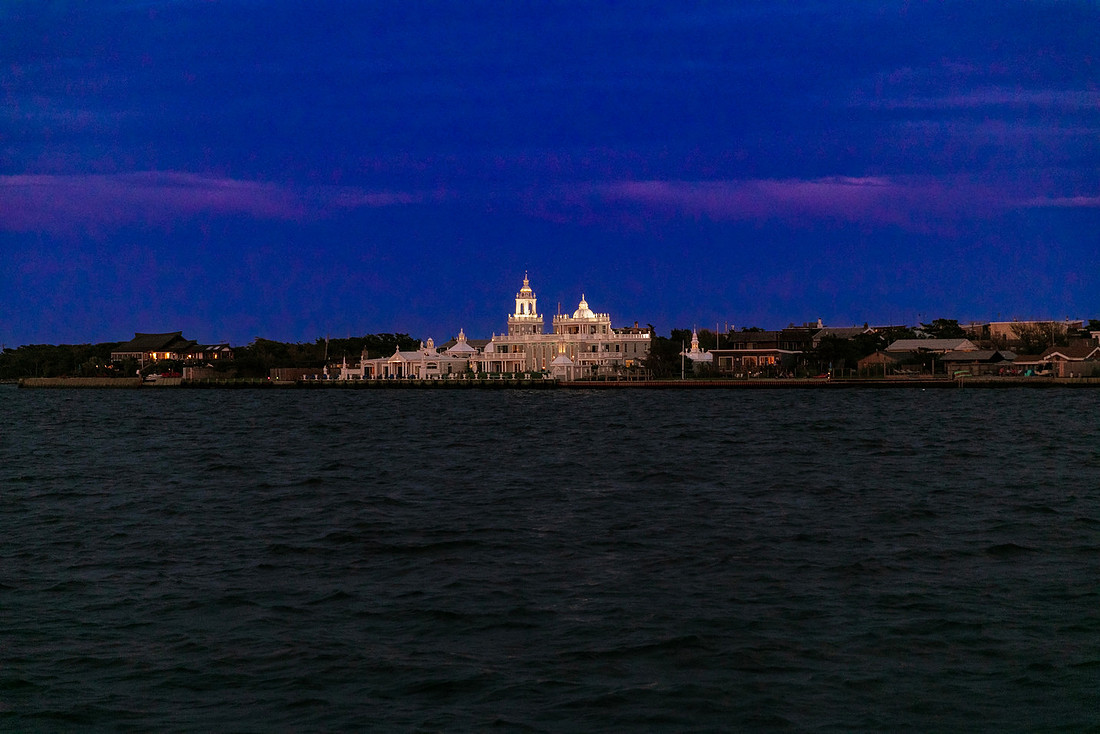
Rising from the pine trees of Cherry Grove like a fever dream from another era, the Belvedere is one of Fire Island’s most distinctive—and historically significant—landmarks. Part Venetian palace, part theatrical fantasy, and part intimate guesthouse, it feels almost impossibly elaborate against the simplicity of the island around it. Yet that theatrical quality is precisely what makes the Belvedere so quintessentially Cherry Grove.
The story begins with John Eberhardt, a scenic artist and set designer who first arrived in Cherry Grove in 1949. With a career rooted in Broadway and television, Eberhardt brought the sensibility of the stage to the island, treating architecture as an opportunity for fantasy and spectacle. Over the years, he would go on to design and build more than 50 houses in Cherry Grove.
The Belvedere, as it exists today, dates to 1957. Eberhardt originally conceived it not as a hotel, but as his own extravagant private residence. He imagined a kind of Venetian-Palladian fantasy, complete with towers, domes, statues, elaborate interiors and trompe-l’œil paintings. It was less a house than a stage set made inhabitable—a world deliberately removed from the ordinary.
Then, in 1957, disaster struck. A devastating fire tore through much of Cherry Grove, destroying the community’s existing hotel and leaving visitors with nowhere to stay. Eberhardt responded by changing his plans. What had been intended as his private home was opened, in part, to guests, and the Belvedere began its unexpected second life as a guesthouse.
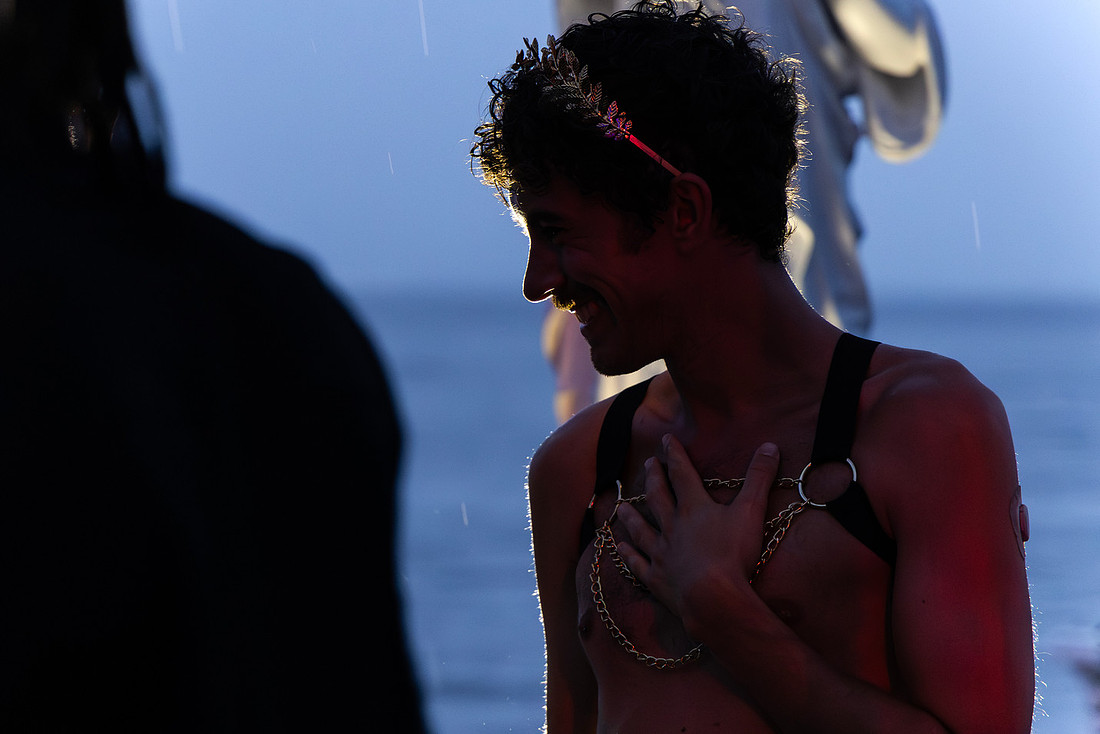
Over the following decades, Eberhardt and his partner, Craig Eberhardt, continued to expand the property, adding wings and rooms until it grew to more than 30. John filled the interiors with the treasures of his imagination: antiques, salvaged architectural fragments, statues, chandeliers and elaborate hand-painted murals. Many of the rooms acquired their own individual themes, turning a stay at the Belvedere into something closer to entering another character’s dream.
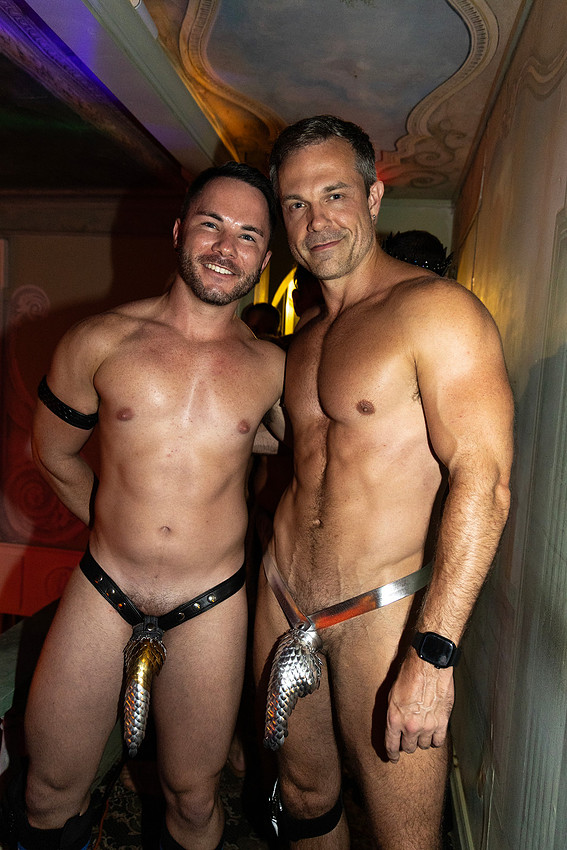
From its earliest days, the Belvedere operated primarily as a guesthouse for men and gradually became much more than a place to sleep. It evolved into an important social and cultural space within Fire Island’s gay community—a place where generations of queer men could gather, flirt, celebrate and simply exist on their own terms. Although its identity has long been closely associated with gay men, the Belvedere also hosts several women’s events throughout the summer.
Today, the property is owned by Julian Dorcelien, who has continued the legacy of the Belvedere and its long relationship with the island’s queer community.
After roughly 68 years of family ownership, the Belvedere was put on the market in 2025 for $10.9 million.
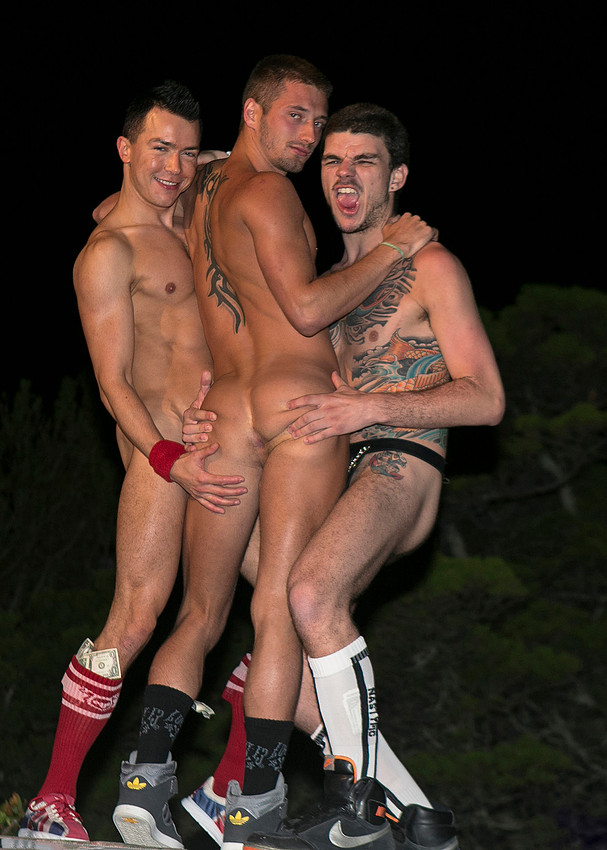
New York Queer Nightlife Photography | LGBTQ+ History After Dark
New York's Queer Nightlife as Cultural History
New York has long been a center of LGBTQ+ culture. Its queer nightlife has moved through different neighborhoods, venues, generations, and communities. Some spaces became famous, while others were temporary and disappeared without leaving much of a physical trace.
Photography provides another kind of historical record.
Photographs preserve the visual culture of these spaces: clothing, performances, bodies, gestures, decorations, music, crowds, and personalities. They also preserve something less visible—the feeling of belonging.
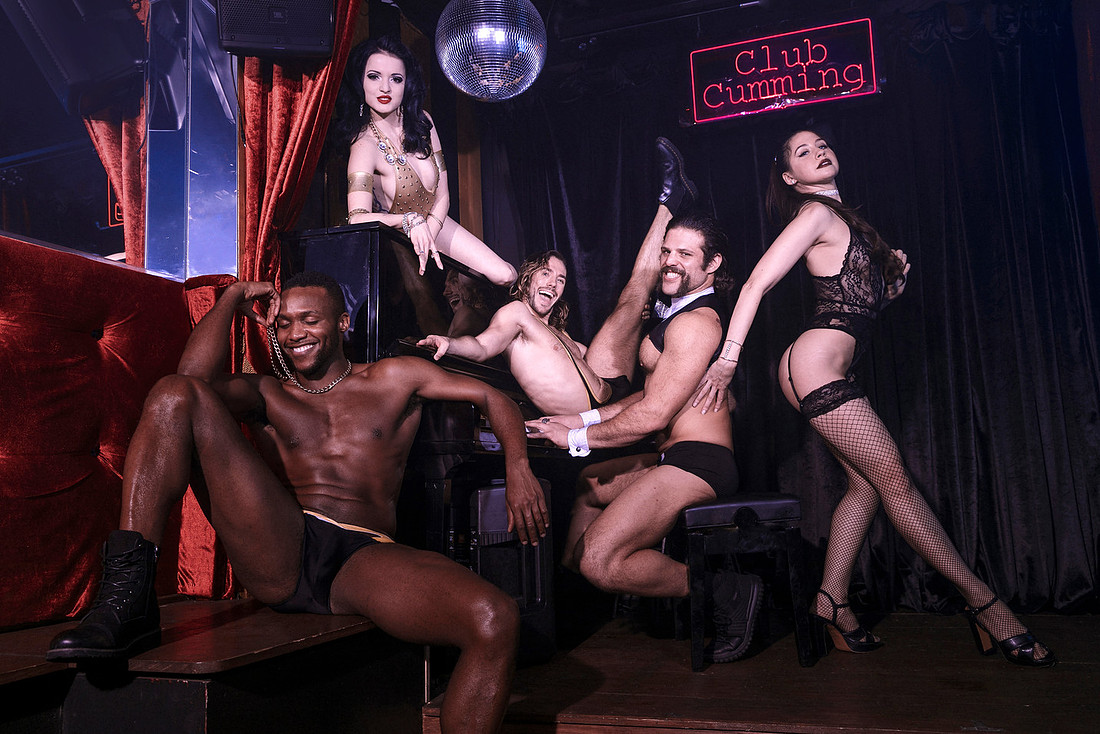
This is what makes New York queer nightlife photography more than a record of parties or entertainment. It becomes a visual history of LGBTQ+ culture and community.
Why Queer Nightlife Spaces Matter
Before considering nightlife as photography, it is important to understand why these spaces mattered.
For LGBTQ+ people, nightlife could provide an opportunity to meet others with similar experiences and find freedom from expectations encountered elsewhere in society. A club could become a place to experiment with identity. A dance floor could become a place of connection. A performance could become an act of self-definition.
A group of friends gathered at the end of the night could become a chosen family.
These experiences are difficult to preserve in written history alone. Photography makes them visible.
The Rise of Queer Photography in New York
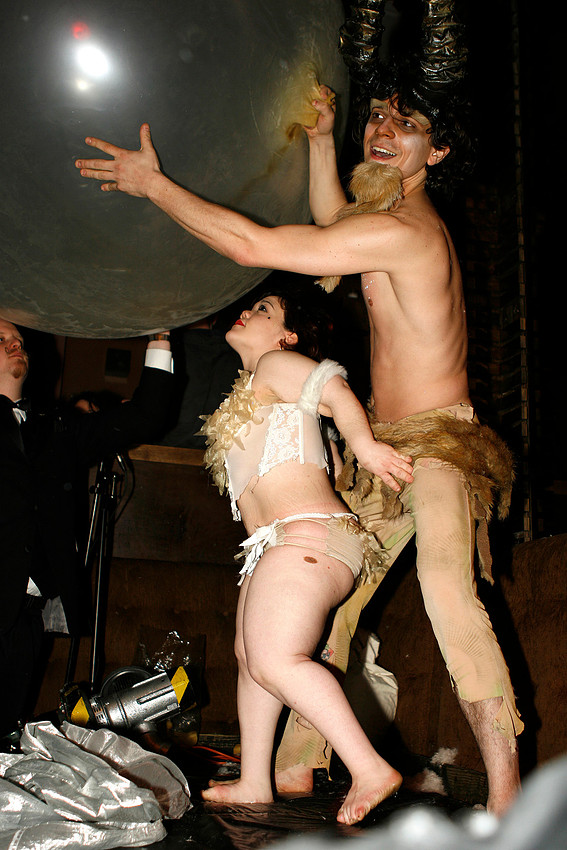
Photographers have documented LGBTQ+ life in New York for generations. From photographs of gay bars and gathering places to images of Pride, performers, artists, nightlife, relationships, and community events, photographers have created visual histories from within LGBTQ+ communities.
That first-person perspective is particularly important.
When photographers participate in the communities they document, their images can become records of lived experience rather than observations from outside. The result is often more intimate: photographs that capture not only what a place looked like, but how it felt to be there.
This tradition of LGBTQ+ photography in New York continues today.
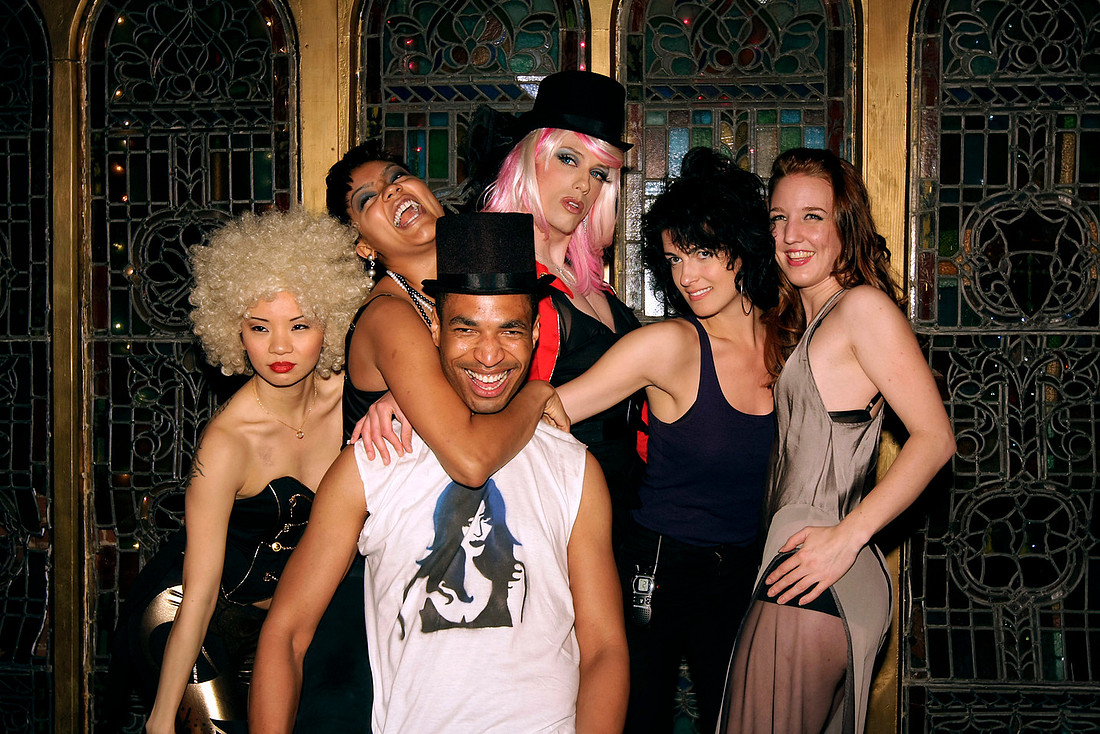
From Underground Spaces to Contemporary Queer Nightlife
New York's queer nightlife has never remained static.
Venues close and open. Neighborhoods change. Music evolves. Fashion changes. New generations create new spaces and new forms of gathering.
Photography allows those changes to be seen over time.
A photographic archive can reveal how performers evolve, how nightlife spaces are transformed, how styles change, and how different generations create their own forms of queer community.
The archive therefore becomes a record not simply of nightlife, but of social and cultural change.
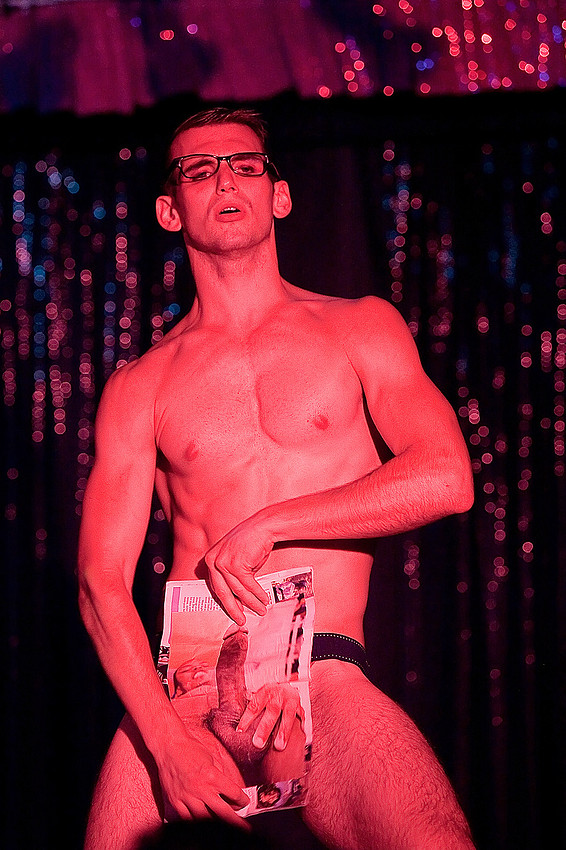
Drag, Performance and the Art of Transformation
Drag and performance are central to the history of queer nightlife.
On stage, performers can transform themselves while challenging conventional ideas about gender, identity, beauty, and sexuality. For a photographer, these moments offer extraordinary visual possibilities.
But photographing performance is not simply about capturing the performer under the spotlight.
The moments before the show can be equally revealing: makeup, costumes, preparation, concentration, nervousness, friendship, and anticipation.
Backstage photographs show the person behind the character. Together, stage and backstage images create a more complete portrait of queer performance culture.
The Dance Floor as a Community Space
The dance floor is one of nightlife's most democratic spaces.
People who might never meet elsewhere can share the same music, movement, and atmosphere. For photographers, however, it is also one of the most challenging environments to document.
The light is constantly changing. People are moving. Moments disappear almost instantly.
The photographer has to anticipate rather than direct.
The strongest images often happen unexpectedly: a gesture, a glance, a laugh, an embrace, or a moment of solitude in the middle of a crowd.
These small moments can become the photographs that communicate what queer nightlife actually feels like.
Photographing Queer New York From Within
For more than three decades, koitz has documented LGBTQ+ life, including queer nightlife in New York City.
His broader photographic archive encompasses nightlife, Pride celebrations, drag performers, artists, portraits, and community events. His approach is rooted in participation rather than distance.
The photographs move between spectacle and intimacy.
A performance can be photographed alongside the people watching it. A major party can exist alongside a quiet portrait. A crowded dance floor can be followed by a photograph of two friends talking outside.
Together, these different perspectives create a richer visual record of queer New York.
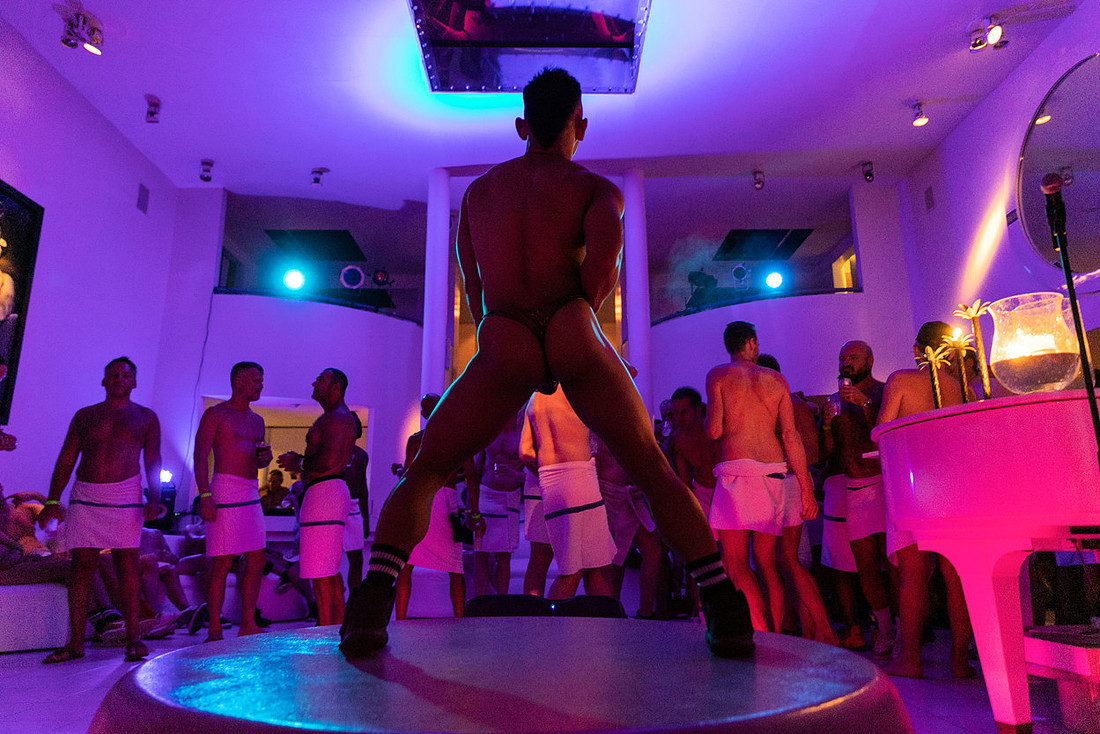
Three Decades of Queer Photography
koitz moved to New York City in 1994 and began developing his visual career there. His photographic archive now spans more than three decades of LGBTQ+ life, including New York and Fire Island.
His Fire Island work provides an important continuation of the New York story.
For two decades, he photographed Cherry Grove and Fire Island Pines, documenting parties, performances, portraits, beaches, friendships, and everyday community life. The resulting photographs became the basis for koitz Gay Fire Island, his 2020 photography book.
The connection between New York and Fire Island is significant. Many of the people, artists, performers, and communities that shape New York's queer cultural landscape also move between the city and the island.
Together, these photographs form part of a larger story about LGBTQ+ life, community, identity, and belonging.
What Happens When the Night Disappears?
Nightlife is temporary.
A club closes.
A party ends.
A performer leaves the stage.
A neighborhood changes.
A generation moves on.
Photography interrupts that disappearance.
The image remains after the music stops.
Years later, a photograph can reveal a person, venue, style, or community that no longer exists in the same form. This is why queer nightlife photography matters as historical documentation.
It preserves not only what people looked like, but how they lived, gathered, celebrated, performed, and found one another.
Photography as LGBTQ+ History
The history of LGBTQ+ communities cannot be separated from the places where those communities gathered.
Nightlife is part of that history.
Photographs of clubs, parties, Pride celebrations, drag performances, portraits, and ordinary nights provide evidence of changing identities and communities. They also challenge the idea that history is made only through major political events.
Sometimes history is a photograph of friends together.
Sometimes it is a performer stepping onto a stage.
Sometimes it is a crowded dance floor at three in the morning.
These moments matter because they document how people actually experienced their lives.
A Living Archive of Queer New York
For koitz, photography is both an artistic practice and a form of preservation.
His work documents people and places while they are alive, active, and changing. The result is an evolving visual archive of queer culture—from New York nightlife to Fire Island's LGBTQ+ communities.
The archive is not intended to suggest that queer nightlife belongs only to the past.
Quite the opposite.
These photographs show a culture that continues to evolve, while preserving the people, places, relationships, performances, and moments that might otherwise disappear.
New York After Dark
The history of queer New York can be found in its nightlife.
It exists in clubs, parties, performances, friendships, music, fashion, drag, dance, intimacy, and community.
New York queer nightlife photography allows those moments to survive beyond the night itself.
For more than three decades, koitz has been photographing that world—creating a visual record of queer New York and the people who have shaped it.
The night disappears.
The photographs remain.
Explore More
- New York Queer Nightlife Photography
- Queer Nightlife Photographer
- Gay Fire Island Photographer
- koitz Gay Fire Island
Porsche (Brant Kaiwi) | Fire Island & Cherry Grove Performer
PROFILE
Porsche: Brant Kaiwi and a Life on Fire Island
For more than two decades, gay photographer koitz has photographed Brant Kaiwi, known as Porsche, documenting a life deeply connected to the summer communities of Cherry Grove and Fire Island. Since arriving on Fire Island in 2001, Porsche has become much more than a performer on an island stage. She has become part of the culture, history, and mythology of Fire Island itself.
Porsche began performing at the now-defunct Sunsets on the Bay in Cherry Grove in 2001. After the venue closed, she found a new home at the Ice Palace, where she established a summer residency and spent entire seasons performing, becoming a beloved fixture of Fire Island's vibrant summer community.
Over the years, The Ice Palace became more than a stage or workplace. It became a kind of second home—a setting in which friendships, relationships, performances, and community unfolded season after season.
Porsche has also performed extensively in Key West, where she became known as the “Queen of Key West.” Her connection to Key West led to one of the most important professional relationships of her career: Chuck McTague, who became her DJ and production manager. What began in Key West grew into a decades-long creative partnership, with McTague becoming an integral part of Porsche Live and the performances that helped make Porsche a fixture of Fire Island's summer scene.
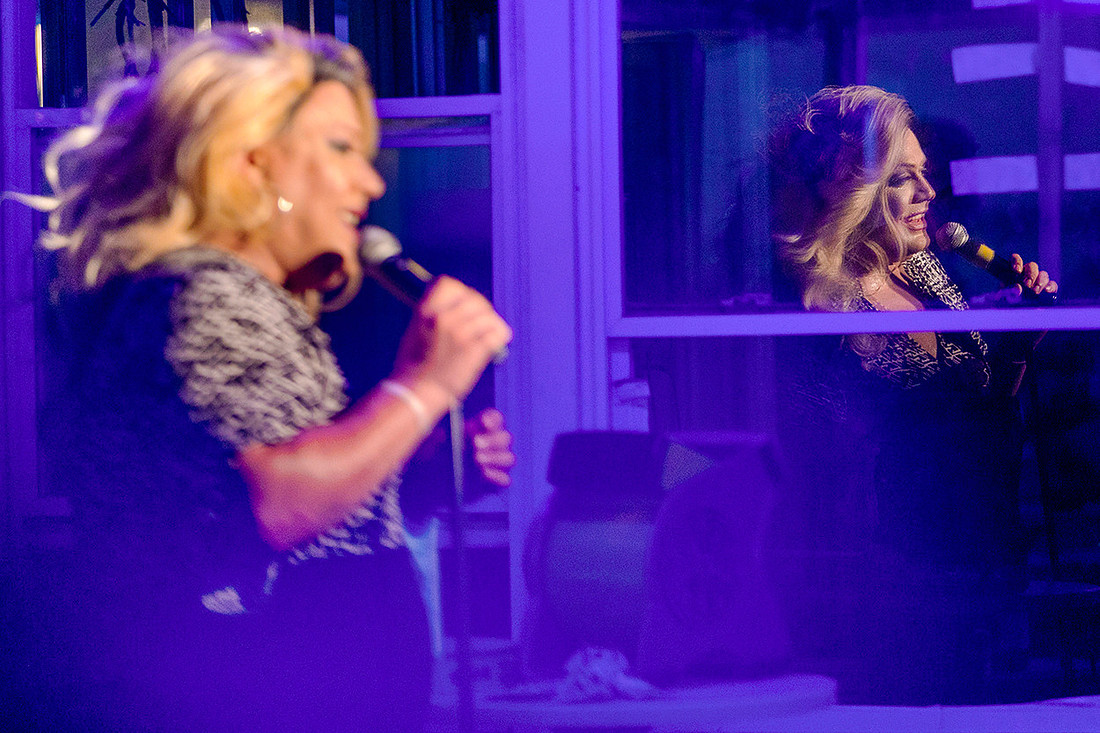
Over the years, koitz has photographed Brant Kaiwi, AKA “Porsche,” on Fire Island, documenting her deep connection to the island’s summer scene. Porsche began performing at the now-defunct Tides in Cherry Grove in 2001. After the venue closed, she found a new home at the Ice Palace, where she established a summer residency and spent entire seasons performing, becoming a beloved fixture of Fire Island’s vibrant community. Porsche has also performed extensively in Key West, and was referred to as the “Queen of Key West.” She currently performs at Cherry’s on the Bay.
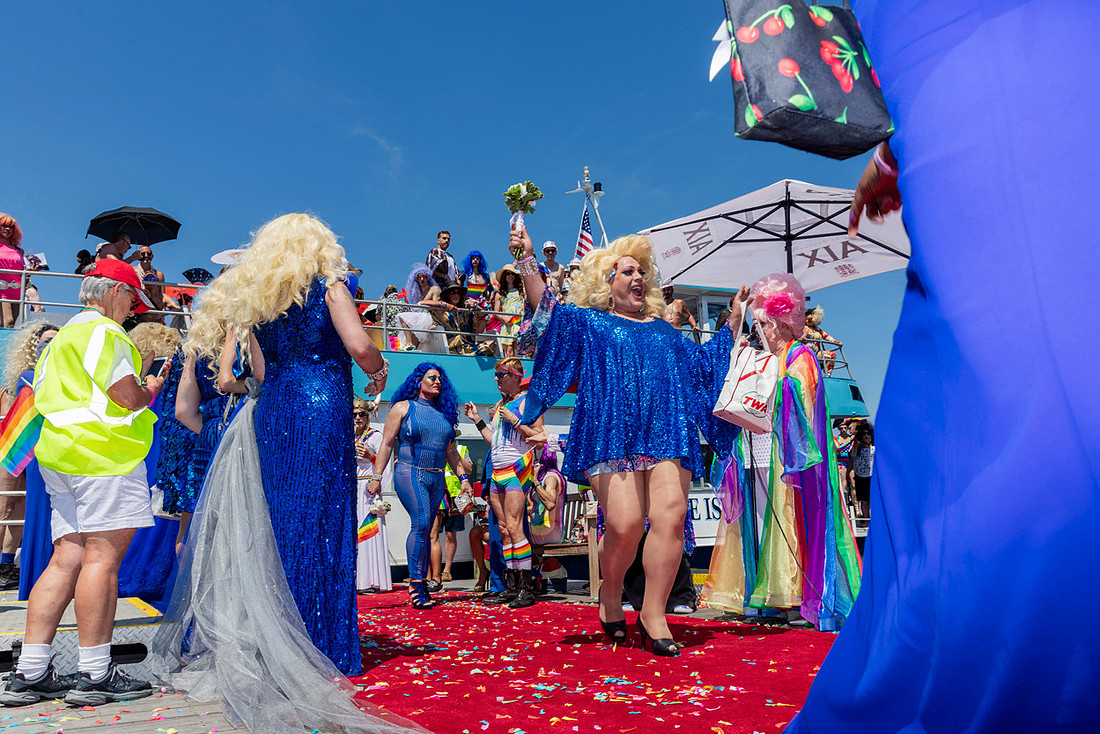
Her connection to Key West also led to one of the most important professional relationships of her career: Chuck McTague, who became her DJ and production manager. What began in Key West grew into a decades-long creative partnership, with McTague becoming an integral part of Porsche Live and the performances that made her a fixture of Fire Island’s summer scene.
Brant is the person; Porsche is the larger-than-life creation. She arrived on Fire Island as a performer and, over the years, became woven into the mythology of the place itself. The Ice Palace was more than a stage or a workplace—it became a kind of second home, a setting in which her friendships, relationships, performances, and community unfolded season after season.
koitz’s photographs offer a glimpse beyond the spectacle. Rather than simply capturing Porsche in performance, he photographed her in the world she helped create—in the fleeting moments between shows, among friends, and within the rhythms of island life. In doing so, he documented more than a drag performer. He captured someone who had become, over time, almost a living emblem of Fire Island’s enduring performance culture.
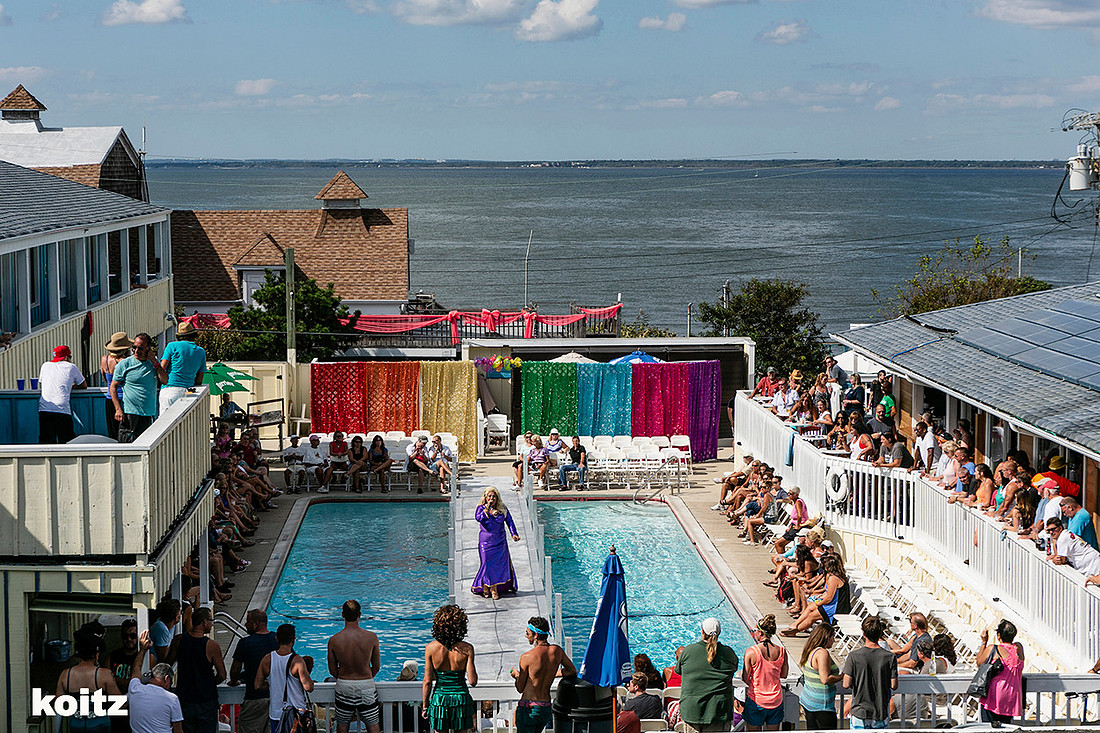
Porsche became part of the institutional fabric of Cherry Grove. She wasn't simply someone who came to the island to perform; she became one of the performers people associated with the Grove itself. For many years, she was the host of the Miss Fire Island pageant alongside Cherry Grove legends such as Ariel Sinclair and Logan Hardcore.
The Girl with a Thousand Voices
For years, Porsche has been known as the “Girl with a Thousand Voices,” a fitting name for a performer whose repertoire seems almost limitless.
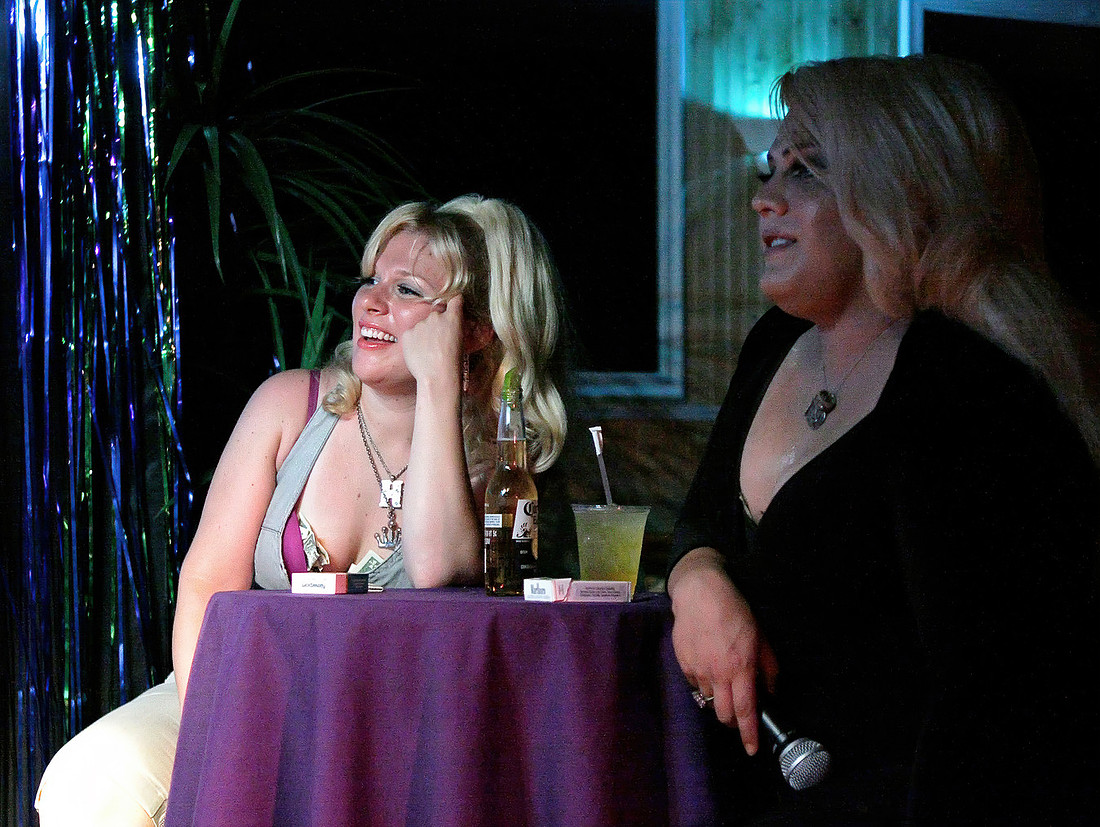
In her own remarkable voice, she has channeled everyone from Janis Joplin, Nina Simone and Judy Garland to Liza Minnelli, Whitney Houston, Dolly Parton, Pink, Billie Holiday and Celine Dion, along with characters such as Karen Walker and Bette Davis. But her impersonations are more than acts of mimicry. Porsche approaches each one as an homage, searching for the distinctive qualities, gestures and spirit that make each voice—and each woman—unique.
Film and Television
Porsche was a regular on The Wanda Sykes Show, Wanda Sykes’s late-night talk show on Fox, which ran from November 2009 to April 2010 for one season. She was not just a guest—she was part of the show's regular cast. She shared sidekick duties with comedian Keith Robinson, appearing as Porsche and serving up commentary and comedy alongside Sykes.
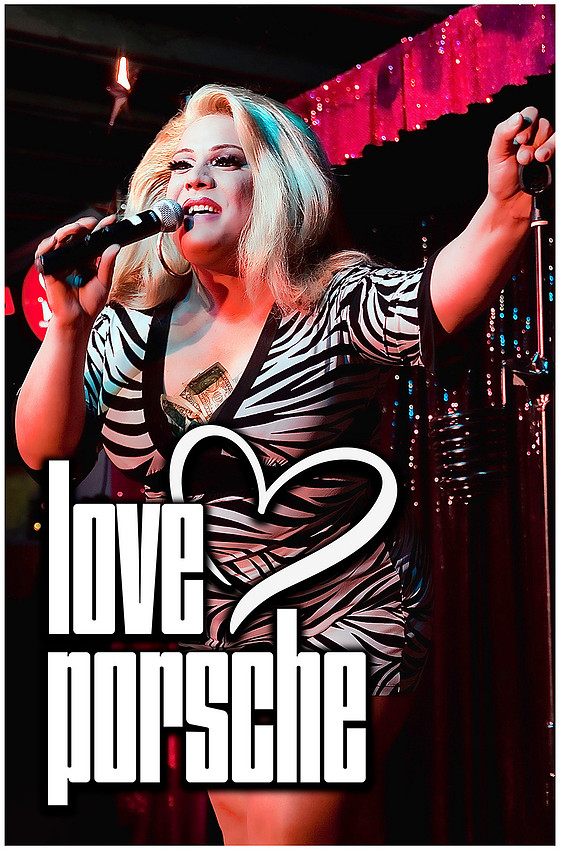
A quarter of a century after she arrived in Cherry Grove, Porsche’s story became the subject of a film shown at the very institution dedicated to preserving the Grove’s history. At the 2026 Cherry Grove Archives Collection Film Festival, the short film Love Porsche was screened as part of the festival’s Saturday evening shorts program.
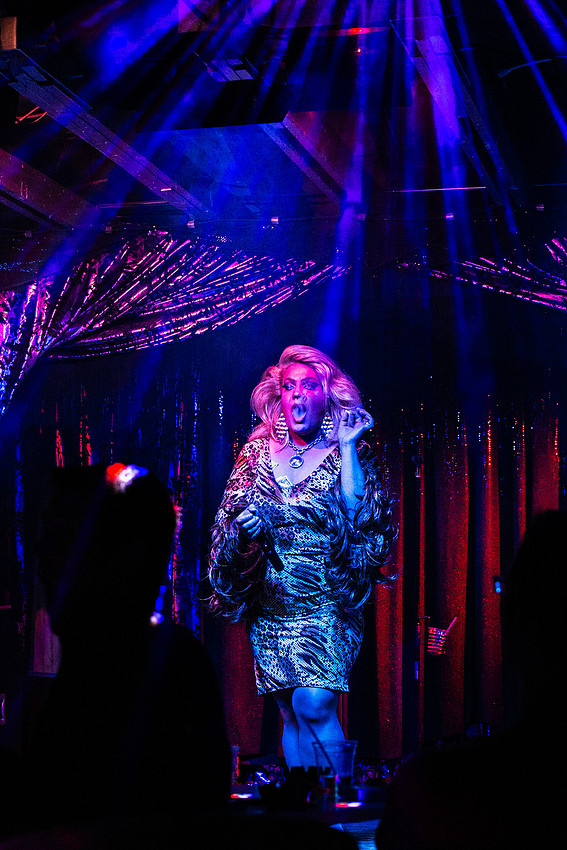
The Fire Island News described it as “a tribute to one of Cherry Grove’s most beloved performers,” tracing Porsche’s 25-year relationship with the community—from her beginnings at a PAWS fundraiser to her long career as a performer and beloved fixture of the island.
Porsche’s Wedding in Cherry Grove
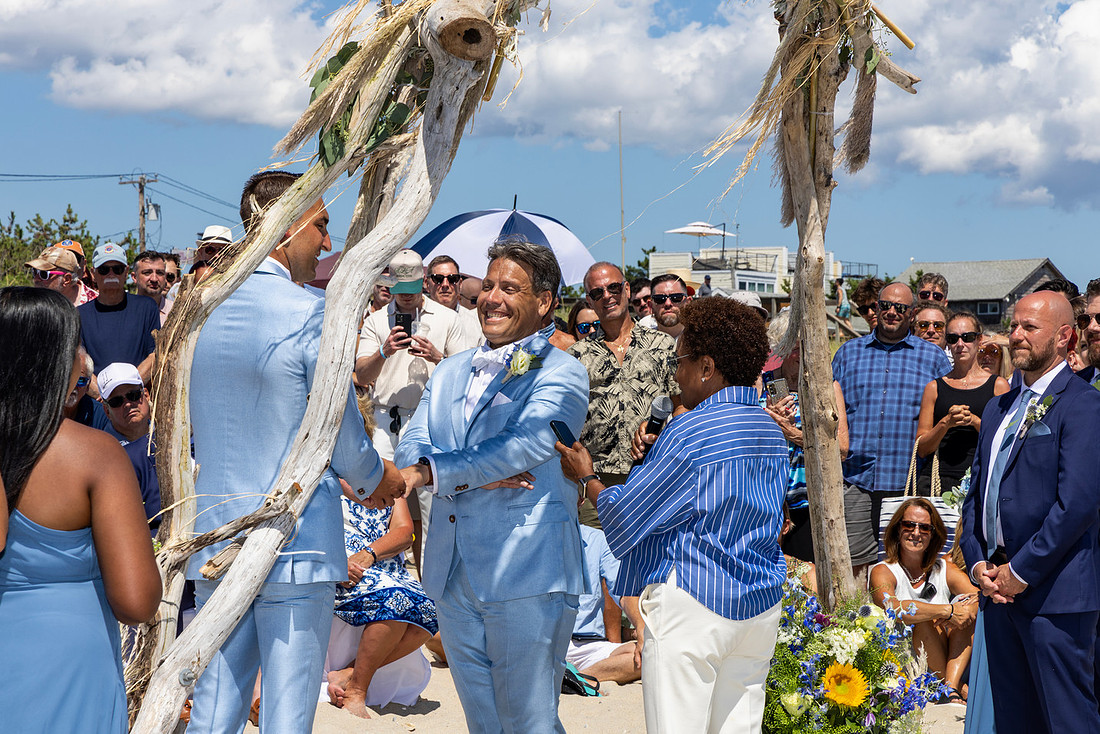
On August 8, Porsche married Kevin Patrick in Maine. A week later, on August 15, they exchanged vows once again, this time on the beach in Cherry Grove, surrounded by the familiar landscape that has been such an important part of Porsche’s life. The Fire Island ceremony was officiated by his friend comedian and actress Wanda Sykes, adding another memorable chapter to Porsche’s long history on the island. In charge of the music throughout the day was Porsche's friend and collaborator Chuck McTague. Once again, koitz was there to capture and immortalize another important chapter in her life.
Celebrities in Cherry Grove: Lady Gaga, Liza Minnelli & the Icon Series | koitz
Celebrities in Cherry Grove: Nardicio's Icon Series at the Ice Palace
Location: The Ice Palace, Cherry Grove, Fire Island
Cherry Grove may be a small beach community on Fire Island, but over the decades it has attracted some of the biggest names in entertainment. Behind its intimate scale and relaxed summer atmosphere is a remarkable cultural history: artists, performers, musicians, actors and LGBTQ+ icons have come to Cherry Grove to perform, celebrate and connect with audiences in an unusually personal setting.
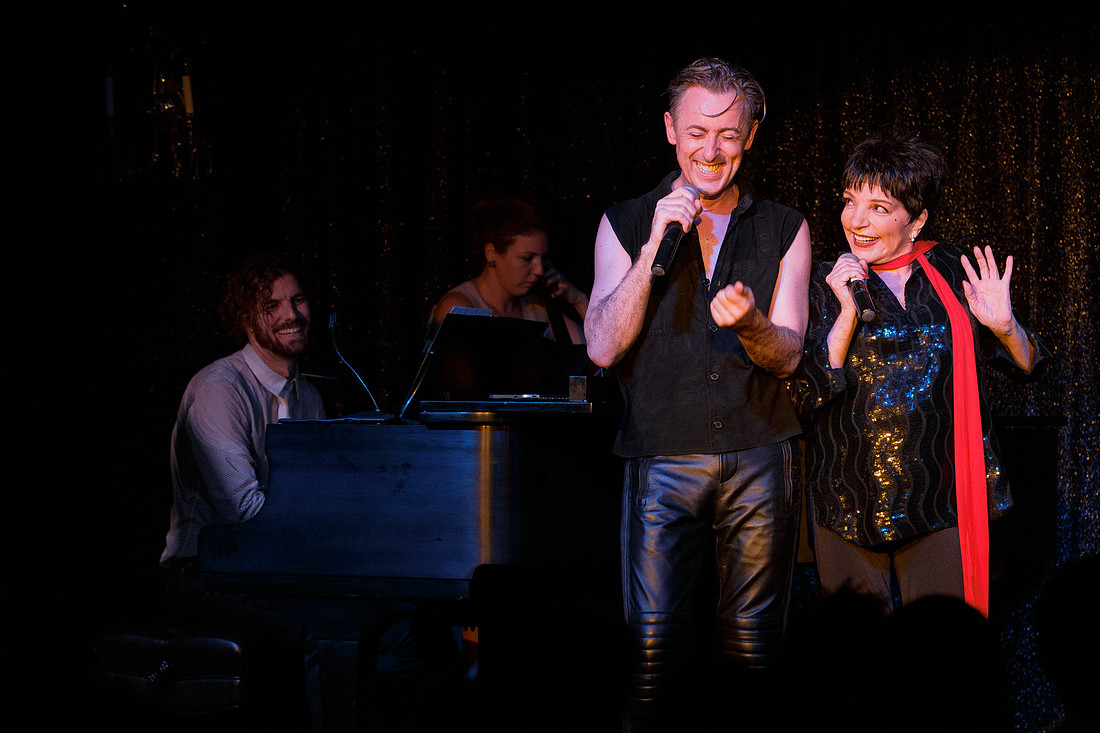
For photographer koitz, these encounters became part of a larger visual archive documenting queer life on Fire Island. His photographs capture not only the celebrities themselves, but also the distinctive atmosphere of Cherry Grove—the intimacy between performers and audiences and the sense that something extraordinary can happen in a very small space.
From Lady Gaga to Liza Minnelli
One of the most memorable moments came in August 2009, when producer and promoter Daniel Nardicio brought a then-emerging Lady Gaga to Cherry Grove for a Friday underwear party. At the time, Gaga was at the beginning of her international career, following the release of her debut album, The Fame, which included the hit single “Just Dance.”
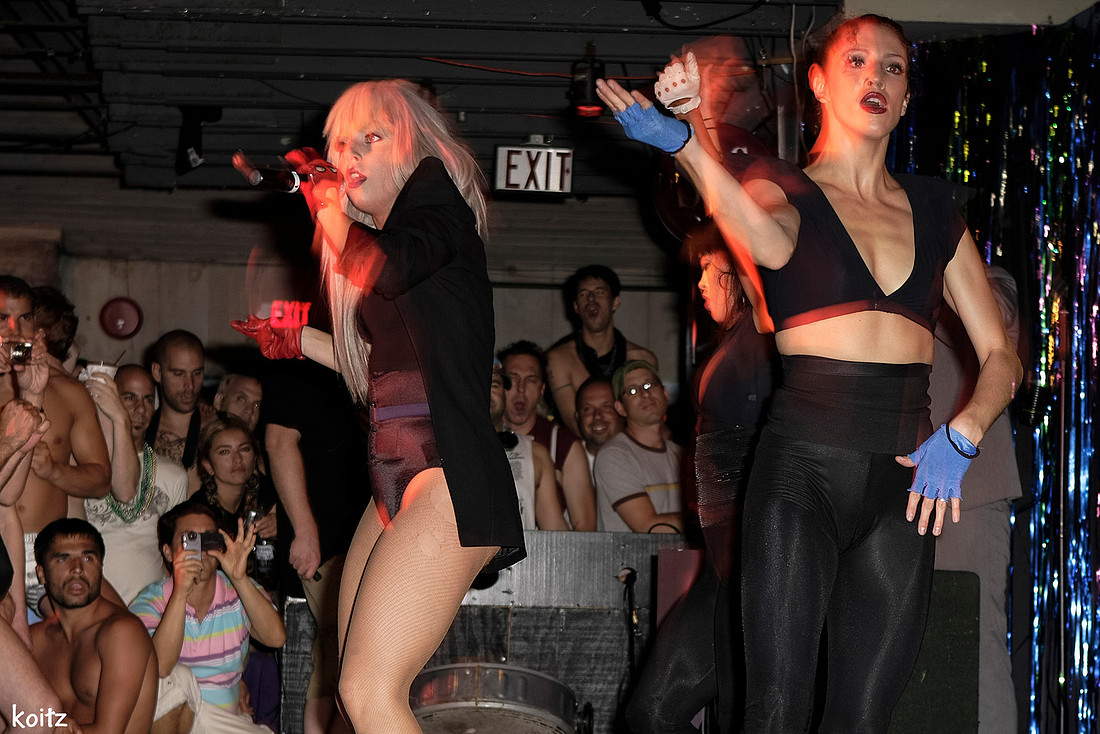
She performed three songs for the Cherry Grove crowd, creating one of those uniquely Fire Island moments in which a rising international star could appear in an intimate, unconventional setting.
For koitz, photographing these events meant preserving moments that would become part of the community's collective memory.
The Icon Series
In the summer of 2012, Daniel Nardicio launched his Icon Series at the Ice Palace in Cherry Grove, bringing legendary performers into the heart of the Fire Island community.
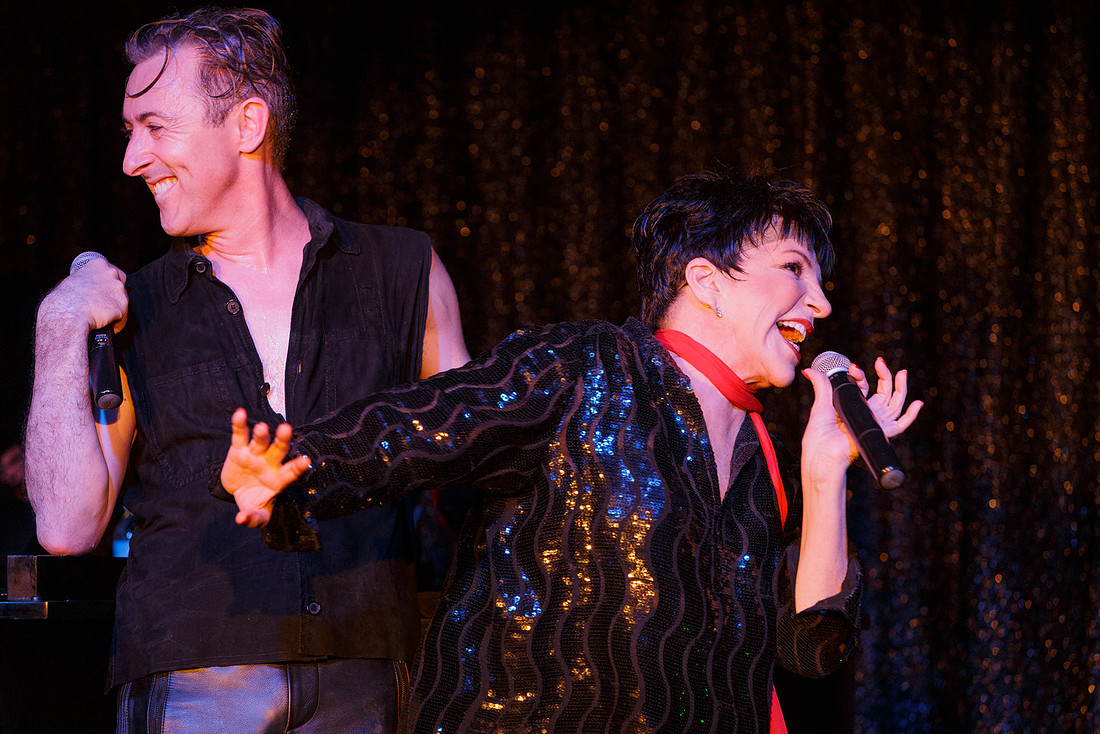
The first Icon Series pairing featured Liza Minnelli and Alan Cumming, two celebrated performers and Tony Award winners who had both famously been associated with Cabaret. Their appearance at the Ice Palace created a remarkable first: the two performers sharing the stage together in Cherry Grove.
The setting was as important as the stars.
The Ice Palace is not a traditional Broadway theater or large concert venue. Its relatively intimate environment creates a direct connection between performer and audience that is characteristic of Fire Island. Here, internationally recognized artists could perform for a queer audience just a few steps away from the beach and the summer homes of Cherry Grove.
An extraordinary roster of performers
Nardicio's Icon Series continued to bring major artists to Fire Island.
Among the performers who appeared over the years were:
- Liza Minnelli
- Alan Cumming
- Chita Rivera
- John Waters
- Margaret Cho
- Patti LuPone
- Justin Vivian Bond
- Peaches
- Bridget Everett
- Sandra Bernhard
- Lea DeLaria
Many of these performers have played an important role in LGBTQ+ culture, theater, music, comedy and performance.
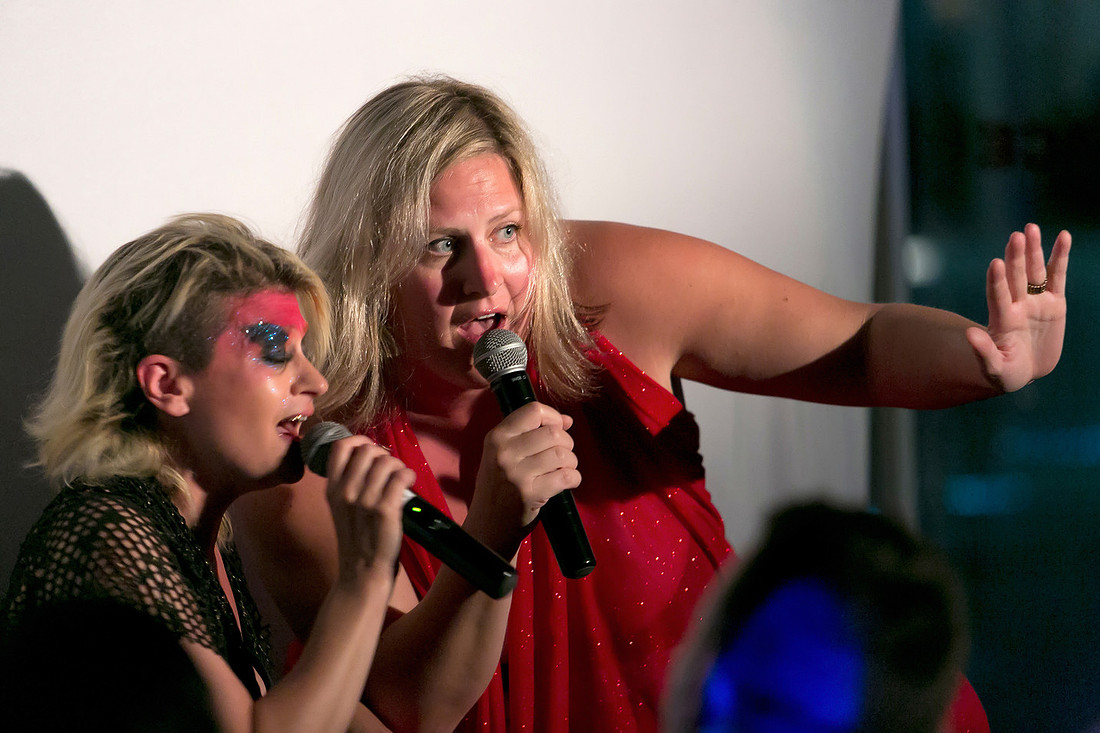
koitz photographed many of these appearances, creating a visual record of a remarkable chapter in Cherry Grove's cultural life.
His photographs capture something that conventional celebrity photography often misses: the relationship between the performer and the community.
These aren't simply photographs of famous people. They are photographs of famous people within a particular queer cultural environment—surrounded by audiences who know the significance of the place and the moment.
Cherry Grove as a stage
That is what makes Cherry Grove so distinctive.
It is a small community, but its cultural history is enormous. For generations, LGBTQ+ visitors have traveled to Fire Island to find freedom, friendship, self-expression and community. The arrival of major performers and cultural figures became part of that tradition.
The Ice Palace, in particular, has played an important role in this story. Its stage has provided a space where established stars and emerging performers could meet an audience in an environment very different from a conventional theater or concert hall.
For the audience, seeing a major celebrity in Cherry Grove could become a lifelong memory.
For koitz, those moments became part of an archive.
Listen to the stories behind the photographs
The Cherry Grove Archives Collection exhibition offers another dimension to koitz's photographs. Through audio recordings, visitors can hear stories connected to the photographs and the people and events depicted in them.
Listen to koitz's audio accompanying the photographs below, including the image featuring Lady Gaga and the other celebrities.
Listen to the koitz exhibit audio at Cherry Grove Archives
The audio component is particularly important because it transforms the photographs from isolated images into pieces of oral and visual history.
A visual archive of queer celebrity culture
koitz's photographs of the Icon Series belong to a much larger body of work documenting Fire Island's LGBTQ+ communities. His archive includes Cherry Grove and Fire Island Pines, parties and performances, beaches and landscapes, intimate portraits and the everyday experiences of the people who have made the island an important destination for queer culture.
The celebrity photographs are therefore more than a collection of famous faces.
They document a moment when popular culture and queer community intersected in one of America's most historically significant LGBTQ+ destinations.
And that is perhaps what makes the images so compelling today: they preserve not only who was there, but what it felt like to be there.
The History of Fire Island Pines Through the Photography of koitz
Fire Island Pines History Through koitz's Photography
For two decades, I've photographed the people, places, and traditions that have made Fire Island Pines one of the world's most iconic LGBTQ+ communities. What began as a personal passion has grown into an extensive visual archive documenting the history, culture, and evolution of the Pines through thousands of photographs.
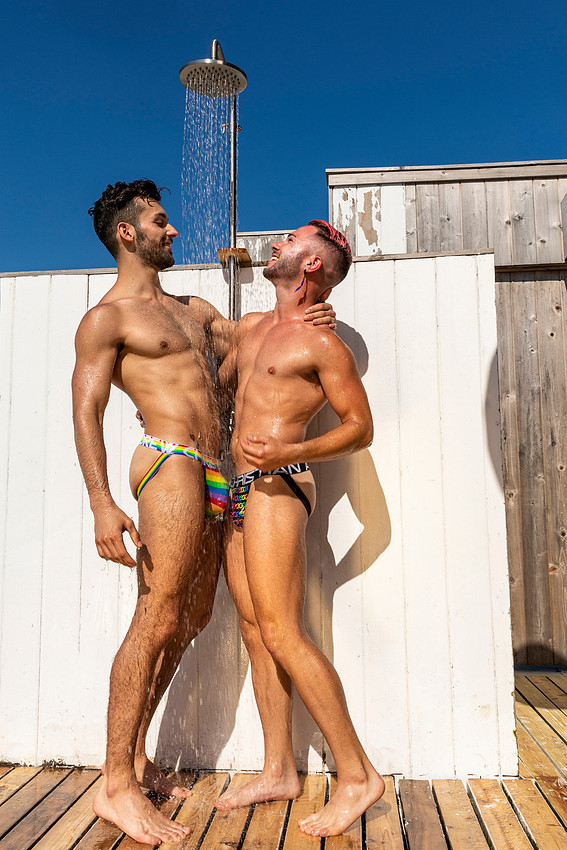
From sun-drenched beaches and legendary pool parties to quiet boardwalks at sunrise, Pride celebrations, drag performances, artists, activists, and everyday moments of friendship and love, my camera has witnessed generations of people who have helped shape the unique spirit of Fire Island.
This collection is more than a series of photographs—it's a visual history of a community that has long been a place of freedom, creativity, resilience, and belonging for LGBTQ+ people from around the world. Many of the places, traditions, and faces captured here have changed over the years, making these images an important record of Fire Island's living history.
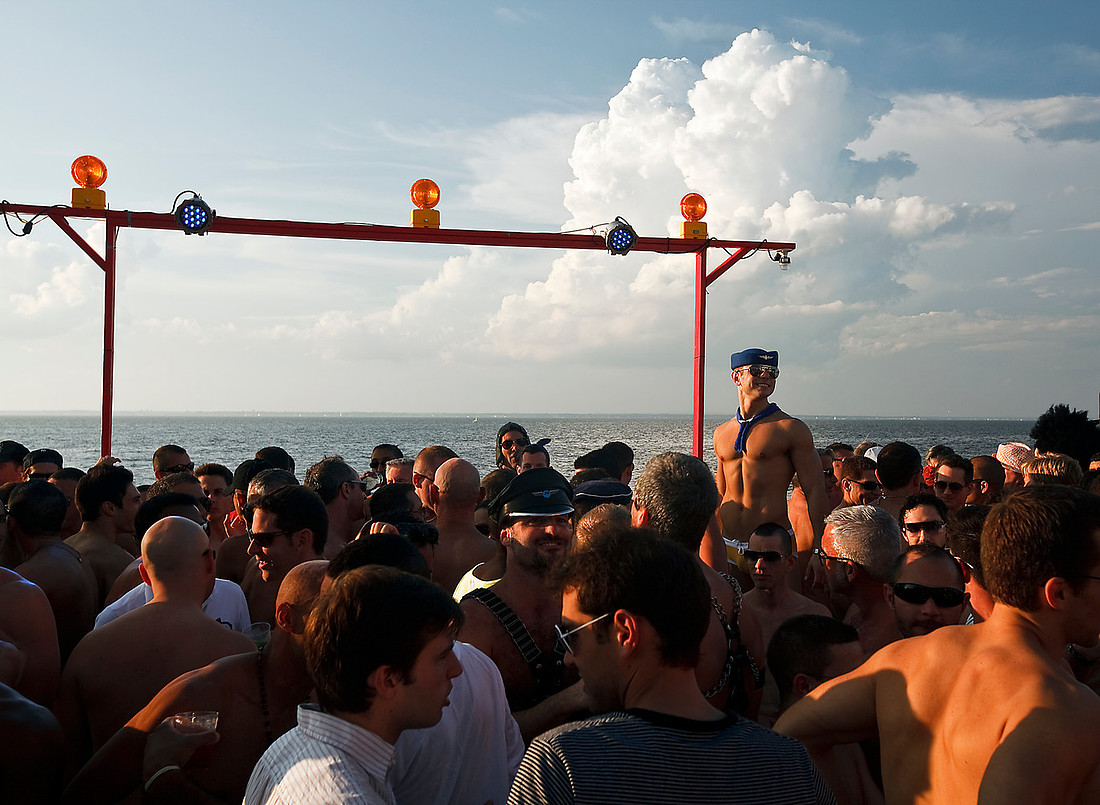
As both a photographer and participant in the community, I've had the privilege of documenting not only major events but also the intimate moments that often define a place: conversations on the boardwalk, sunsets shared with friends, celebrations that lasted until dawn, and the quiet beauty of life between the parties.
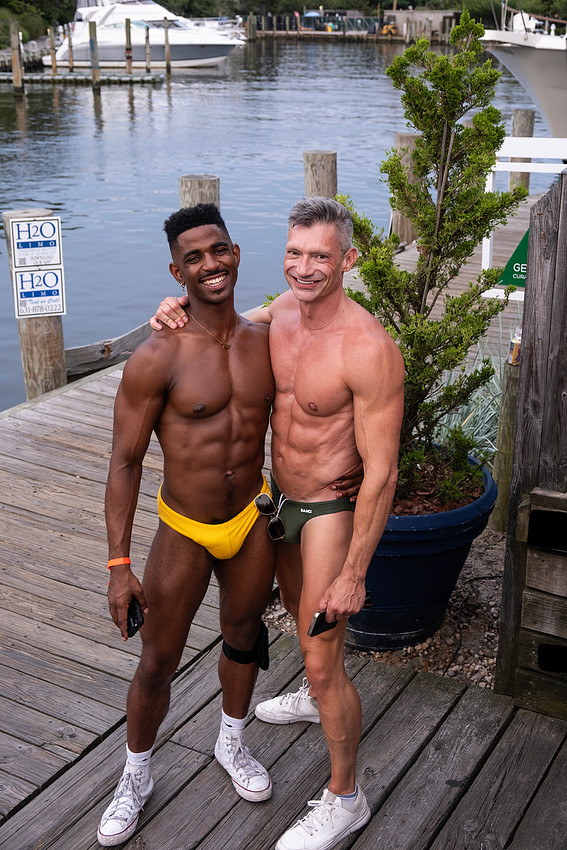
Whether you're discovering Fire Island Pines for the first time or returning to revisit cherished memories, I hope these photographs offer a deeper appreciation of the people and stories that have made this extraordinary community a lasting symbol of LGBTQ+ history and culture.
Photography preserves moments. Together, these photographs preserve a legacy.
Justin Vivian Bond in Cherry Grove, Fire Island | koitz Photography
Justin Vivian Bond in Cherry Grove, Fire Island
Portraits by koitz documenting queer performance, identity, and LGBTQ+ life on Fire Island
Justin Vivian Bond photographed by queer photographer koitz in Cherry Grove, Fire Island, New York, in a portrait that brings together performance, identity, queer culture, and the history of one of America's most distinctive LGBTQ+ communities.
For koitz, photographing people in Cherry Grove is about more than making portraits. It is also a way of documenting the people, places, personalities, and moments that have shaped queer life on Fire Island over generations.
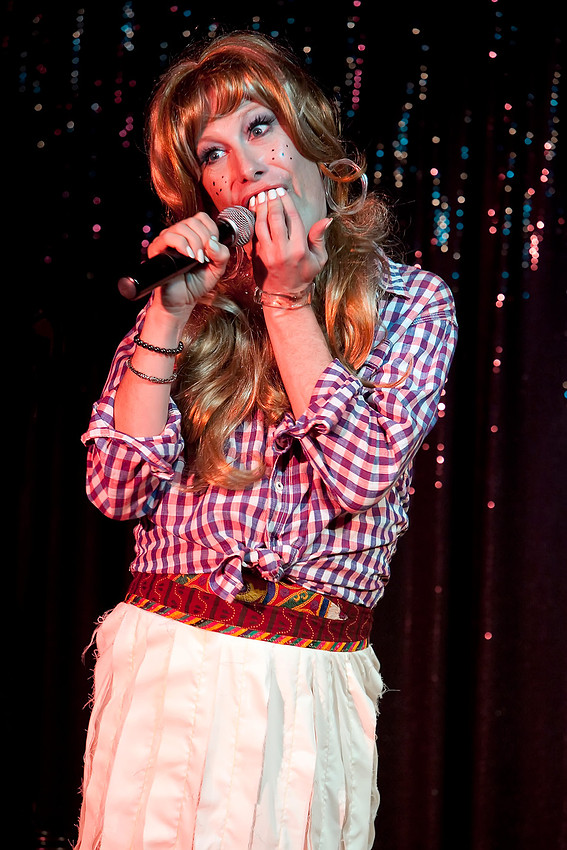
Justin Vivian Bond and the Art of Performance
Justin Vivian Bond is an acclaimed American performer, singer, actor, and writer whose career has crossed cabaret, theater, music, film, and performance art.
Bond is particularly known for the character Kiki DuRane, created with Kenny Mellman in the legendary performance duo Kiki and Herb. Their work has become an important part of contemporary queer performance culture, combining music, humor, theatricality, and an often fearless approach to gender and identity.
Photographing Bond in Cherry Grove brings together two powerful aspects of queer culture: performance and place.
The portrait captures an individual artist while also placing that artist within a community with its own long history of LGBTQ+ creativity and self-expression.
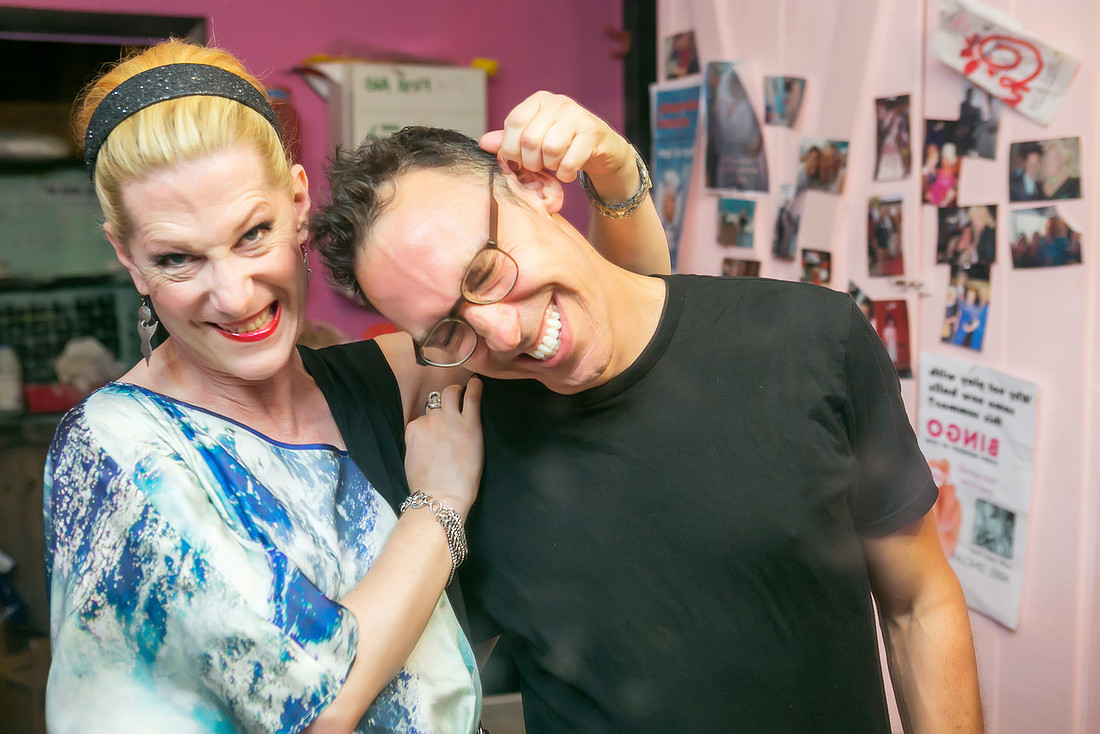
Cherry Grove, Fire Island
Cherry Grove is a historic LGBTQ+ community on Fire Island, New York. For decades, it has been a gathering place for LGBTQ+ people, artists, performers, and creatives seeking community and a space for self-expression.
The island's distinctive combination of relative isolation, natural beauty, summer culture, and queer community has helped make Cherry Grove an important part of LGBTQ+ history in the United States.
For a photographer such as koitz, the location is an essential part of the portrait.
The setting carries its own meaning. A photograph made in Cherry Grove is connected to the people who have lived there, visited there, performed there, and helped create its unique cultural identity.
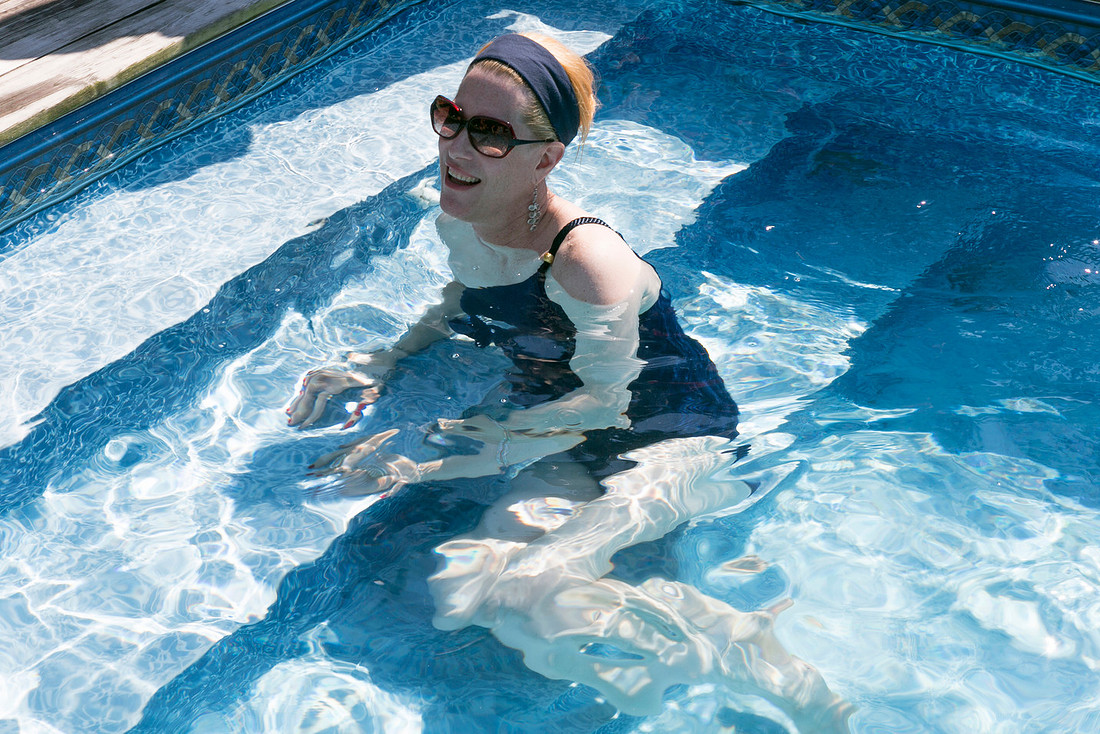
koitz and Queer Photography
Basque-American photographer koitz, based in New York City since 1994, has spent more than two decades photographing LGBTQIA+ life in New York and on Fire Island.
His photographic practice moves between documentary photography, portraiture, and fine art. He has photographed artists, writers, performers, and members of the LGBTQ+ community, creating an evolving visual record of queer life.
His work is particularly connected to Fire Island, where photography becomes both personal portraiture and cultural documentation.
The photographs preserve faces and personalities, but they also preserve a sense of place.
Portrait as Cultural Record
A portrait can tell us something about an individual, but it can also tell us something about the time and place in which that photograph was made.
In Justin Vivian Bond in Cherry Grove, Fire Island, the individual and the community become part of the same visual story.
Bond's history as a performer and their connection to queer performance culture resonate with the history of Cherry Grove itself—a place where artists and LGBTQ+ communities have long created their own spaces for expression, celebration, and belonging.
The photograph therefore operates on several levels: as a portrait, as a document of queer culture, and as part of a larger photographic archive of Fire Island.
Photographing Queer Life on Fire Island
koitz’s Fire Island photographs are part of an ongoing project documenting LGBTQ+ life through the people and places that define it.
Rather than treating queer culture as something separate from everyday life, his photographs show it through portraits, gatherings, landscapes, performances, friendships, and individual moments.
This approach gives the work both a personal and historical dimension.
Each photograph becomes a small record of a larger story.
About koitz
koitz is a queer photographer who has lived and worked in New York City since 1994. His work explores identity, portraiture, performance, queer culture, and LGBTQIA+ life through documentary and fine-art photography.
For more than two decades, he has documented LGBTQIA+ communities in New York City and on Fire Island. His first monograph, koitz Gay Fire Island (2020), was recognized by curator Elizabeth Avedon as one of the year's best photography books.
His work has been exhibited internationally, including at the University of Southern California in Los Angeles and the Cherry Grove Community House on Fire Island. Together with filmmaker Parker Sargent, koitz co-directed the award-winning documentary In the Meat Rack (2023).
koitz lives and works in Brooklyn, New York.
Photographs Information
Subject: Justin Vivian Bond
Location: Cherry Grove, Fire Island, New York
Photographer: koitz
Genre: Queer portrait photography / fine art photography / documentary photography
Subject matter: LGBTQ+ culture, performance, identity, Fire Island
Explore the photographs: Justin Vivian Bond in Cherry Grove, Fire Island →
Photography by koitz
koitz: Gay Photographer Fire Island | Photography Books
Three Photography Books by koitz: Queer Photography, Fire Island, and LGBTQ+ Portraiture
koitz is a queer photographer whose work explores LGBTQ+ life through portraiture, sexuality, fashion, intimacy, identity, and place. Across three photography books — koitz Gay Fire Island, Pretty Gay I, and Pretty Gay II: Mitch in Wonderland — his photographs create an intimate visual record of queer people, communities, and the environments that have shaped their lives.
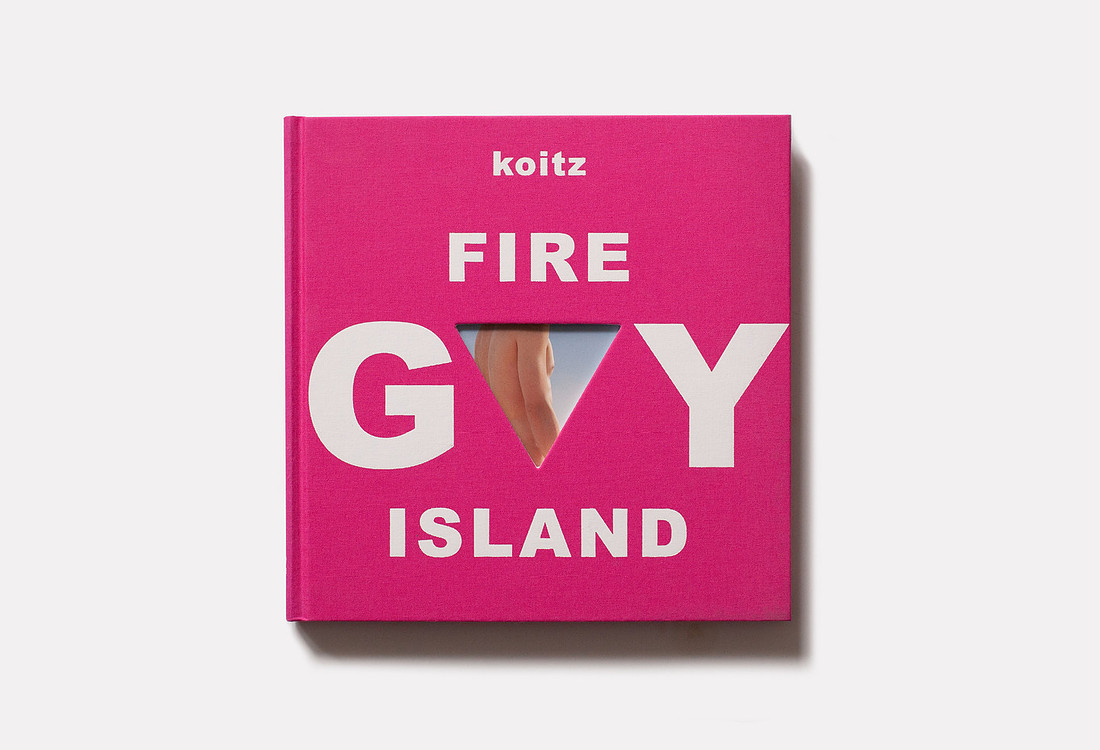
From the legendary LGBTQ+ destination of Fire Island to New York City and Southern California, koitz’s photography combines portraiture with a personal and contemporary approach to queer life.
For those discovering his work through queer photography, gay photography, LGBTQ+ art, Fire Island photography, or contemporary portrait photography, these three books offer an introduction to the distinctive photographic world of koitz.
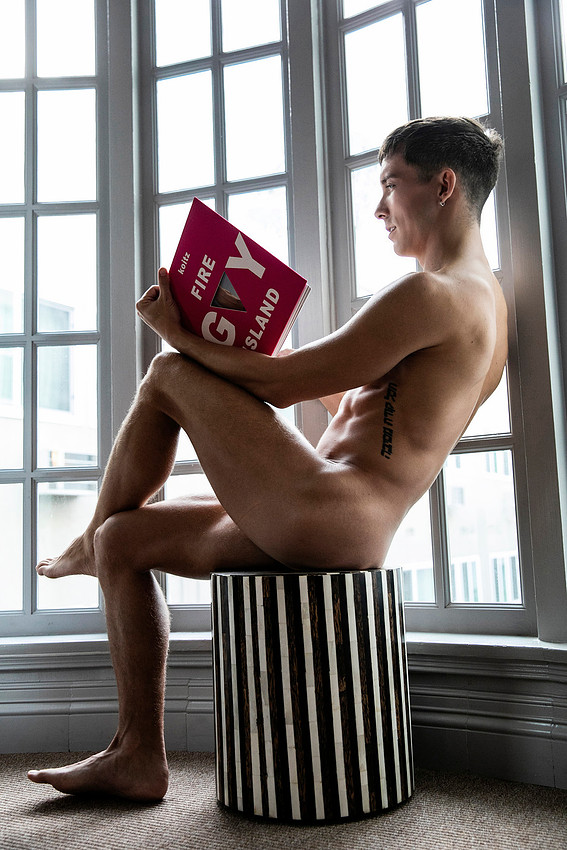
koitz Gay Fire Island — Queer Photography and LGBTQ+ Life
Fire Island has played an important role in LGBTQ+ culture for generations. In koitz Gay Fire Island, koitz turns his camera toward the people, places, atmosphere, and distinctive queer culture of the island.
As a queer photographer, Fire Island and its LGBTQ+ community are central to koitz’s photographic vision. His photographs capture more than the familiar image of Fire Island as a summer destination. They reveal a lived-in queer environment shaped by friendship, sexuality, fashion, nightlife, intimacy, self-expression, and community.
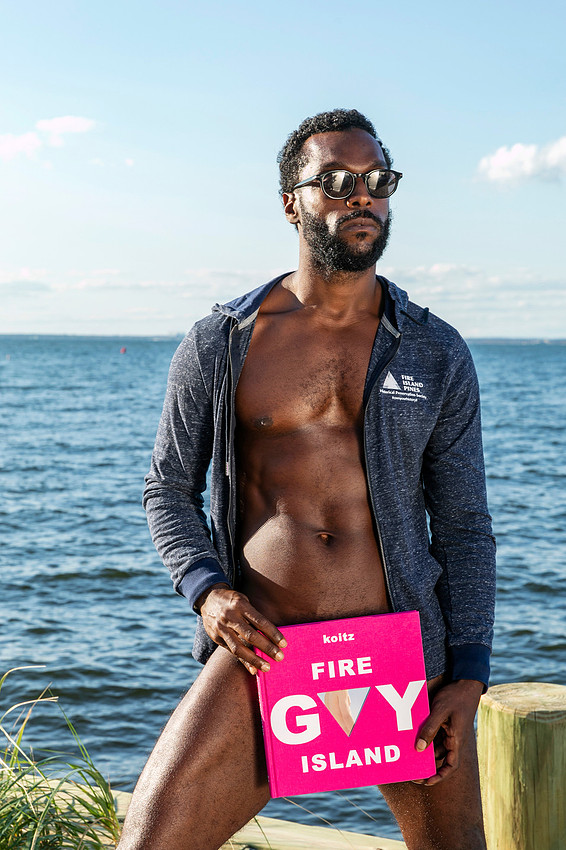
For anyone searching for queer photographer Fire Island koitz, this body of work provides an intimate photographic perspective on one of America's best-known LGBTQ+ destinations. Koitz photographs the people who give Fire Island its character, creating a visual record that is both personal and documentary.
His work can also be discovered through the search term gay photographer Fire Island koitz, reflecting the book's focus on gay life, male portraiture, queer culture, and the social world of Fire Island.
Rather than treating Fire Island simply as a beautiful location, koitz Gay Fire Island presents the island as a place where queer identity, community, sexuality, and self-expression are lived and experienced.
Pretty Gay I — 12 Queer Portraits in New York City
With Pretty Gay I, koitz moves from a single location and community to a collection of individual portraits.
The book features 12 different sitters, all photographed in New York City. Each photograph captures a different personality, style, and expression of queer life.
Together, the 12 portraits create a varied picture of contemporary LGBTQ+ life in New York. The photographs explore individuality, sexuality, fashion, intimacy, attitude, and self-expression while maintaining koitz’s interest in the relationship between photographer and subject.

Pretty Gay I contains 12 different postcards, each featuring a different photograph. Published as a 5 × 7-inch postcard book, the edition turns the portraits into individual, collectible photographic objects.
For collectors interested in New York queer photography, gay portrait photography, LGBTQ+ art, contemporary photography books, and artist postcards, Pretty Gay I offers a compact and distinctive introduction to koitz’s portrait work.
Pretty Gay II: Mitch in Wonderland — One Subject, 12 Locations
Pretty Gay II: Mitch in Wonderland takes a very different approach to portraiture.
Instead of bringing together 12 different sitters, the book focuses entirely on Mitch, whom koitz photographed over the years in 12 different locations throughout Southern California.

The repeated presence of the same subject allows the photographs to develop into a more sustained and intimate portrait. Each location introduces a different setting, atmosphere, and visual context, while the photographs collectively document koitz’s evolving relationship with Mitch.
The result is both a portrait of an individual and a journey through Southern California. Themes of sexuality, masculinity, identity, fashion, intimacy, and place emerge through the changing environments and photographic encounters.
Like Pretty Gay I, Pretty Gay II: Mitch in Wonderland contains 12 different postcards and is published as a 5 × 7-inch postcard book.
The postcard format makes the work particularly appealing to collectors of queer photography books, gay photography, male portraiture, LGBTQ+ art, and contemporary photographic editions.
Two Pretty Gay Books, Two Approaches to Queer Portraiture
Viewed together, Pretty Gay I and Pretty Gay II: Mitch in Wonderland demonstrate two different approaches to queer portrait photography.
Pretty Gay I is expansive: 12 different people photographed in New York City, each bringing an individual personality and presence to the book.
Pretty Gay II is more concentrated: one person photographed in 12 locations throughout Southern California, creating an extended portrait that develops through place, repetition, and time.
Both books contain 12 photographic postcards, but the different structures create very different experiences.
One book asks us to encounter a series of individuals. The other invites us to spend time with one subject and observe how a portrait can change as the surroundings, circumstances, and relationship between photographer and subject evolve.
koitz and the Photography of Queer Life
Across koitz: Gay Fire Island, Pretty Gay I, and Pretty Gay II: Mitch in Wonderland, koitz creates photographs that are deeply connected to queer life, LGBTQ+ culture, sexuality, portraiture, fashion, intimacy, and place.
Fire Island becomes a portrait of queer community. New York City becomes the setting for 12 individual encounters. Southern California provides the changing backdrop for an extended portrait of Mitch.
The three books can therefore be seen as different chapters in a broader photographic exploration of queer experience.
For viewers discovering koitz through queer photography or gay photography, the books offer an opportunity to see how his photographic practice moves between documentary observation and intimate portraiture. His subjects are not simply photographed within their environments; the relationship between person, place, photographer, and viewer becomes part of the work itself.
Collecting the Photography Books of koitz
For collectors of queer art, LGBTQ+ photography, gay photography books, portrait photography, artist books, and contemporary photographic editions, the three publications offer distinct perspectives on koitz’s work.
koitz: Gay Fire Island documents the atmosphere and people of an iconic queer destination.
Pretty Gay I presents 12 different New York City sitters through 12 collectible photographic postcards.
Pretty Gay II: Mitch in Wonderland follows one subject across 12 Southern California locations, creating a sustained and personal portrait.
Together, the books form a personal photographic record of queer people, places, identities, and encounters.
Whether discovered through Fire Island photography, queer photographer koitz, gay photographer koitz, LGBTQ+ portraiture, or contemporary queer art, these publications offer a distinctive way to experience and collect koitz’s photography.
Discover the New koitzphoto.com | LGBTQ+ Photography, Fire Island & Queer History
I'm excited to welcome you to the completely redesigned koitzphoto.com—a space dedicated to LGBTQ+ photography, Fire Island, queer history, and visual storytelling.
Check out the new galleries here
Over the years, I've photographed the people, places, and moments that define Fire Island Pines, Cherry Grove, New York City, and beyond. The new website makes it easier than ever to discover my galleries, explore documentary and fine art photography, and experience a growing visual archive celebrating LGBTQ+ life, culture, and community.
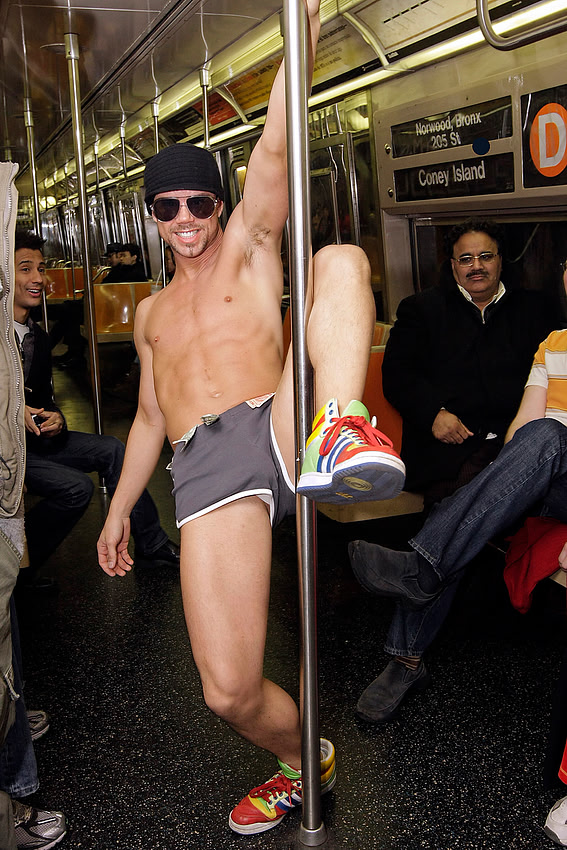
I'm also launching a new blog, where I'll share the stories behind the photographs, insights into current projects, and reflections on preserving queer history through photography:
Whether you're interested in Fire Island photography, LGBTQ+ culture, documentary photography, drag, portraits, or fine art, I invite you to explore, discover, and follow the journey.
Visit the new website and explore all the projects:
https://www.koitzphoto.com/
Check out all the galleries here
LGBTQ+ community photographed in Fire Island Pines by queer photographer koitz.
Fire Island Pines Gallery
Summer scene in Fire Island Pines documenting LGBTQ+ life and community.
Cherry Grove Gallery
Cherry Grove LGBTQ+ community and beach culture photographed by koitz.
Queer Nightlife
LGBTQ+ nightlife in New York City and Fire Island captured through documentary photography.
Drag Gallery
Drag performer on stage at a Fire Island or New York City LGBTQ+ event.
Fine Art Portrait
Fine art portrait celebrating LGBTQ+ identity by queer photographer koitz.
Nature & Landscape
Sunset over Fire Island beach photographed as part of a queer cultural landscape archive.
Fire Island Ferry
The Fire Island Ferry connecting visitors to Fire Island Pines and Cherry Grove.
Private Moments
Couple sharing an intimate moment in Fire Island Pines photographed with warmth and authenticity.
The Meat Rack
Woodland path in the historic Meat Rack on Fire Island, an important LGBTQ+ cultural landscape.
Thank you for being part of this community. Your support means everything.
Photographing Introverts: Why Quiet Moments Make the Best Portraits
Photographing Introverts: Why Quiet Moments Make the Best Portraits
Some of the most memorable portraits koitz has made have been of people who spoke the least.
They weren't performers. They didn't enjoy being the center of attention, and many admitted they disliked having their photograph taken. Yet, those quiet moments often produced the most authentic portraits.
As a gay photographer in Fire Island koitz has spent more than two decades documenting LGBTQ+ life through documentary photography. Along the way, he has learned that creating a meaningful portrait isn't about directing someone to smile or pose perfectly. It's about creating an environment where people feel comfortable enough to simply be themselves.
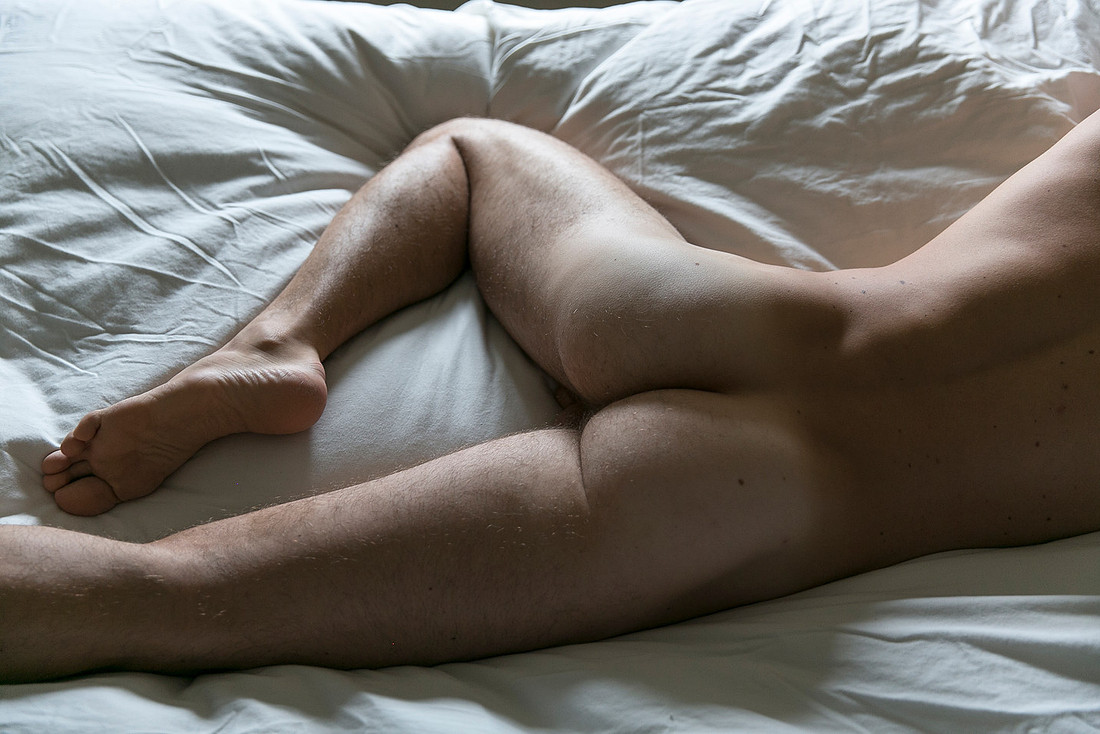
Introverts Don't Need to Perform
One of the biggest misconceptions about portrait photography is that the subject has to be outgoing.
In reality, introverts often bring something extraordinary to a photograph. They tend to observe, reflect, and communicate through subtle expressions rather than dramatic gestures. Those quiet moments create portraits filled with depth and honesty.
Rather than asking someone to project confidence, koitz allows it to emerge naturally.
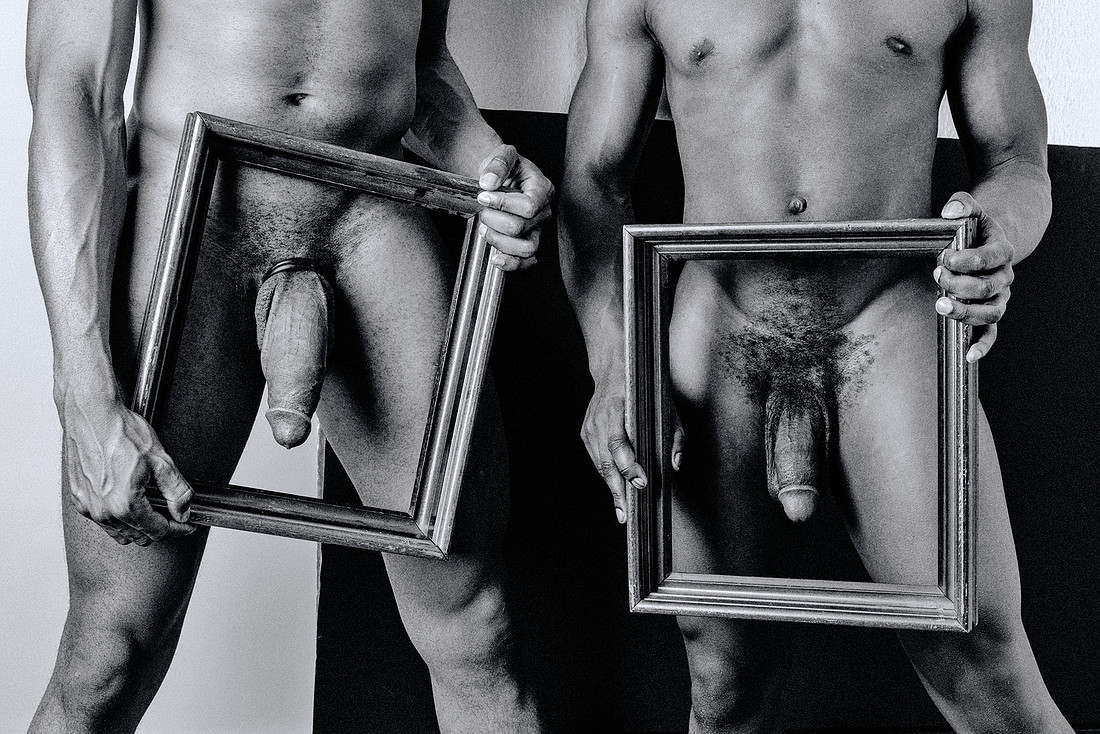
The Conversation Comes Before the Camera
A portrait begins long before the shutter is pressed.
When meeting someone for the first time, koitz rarely starts photographing immediately. They talk. They walk. Sometimes they simply sit together and enjoy the surroundings.
Whether they are on the beaches of Fire Island, along a boardwalk, or on a quiet New York City apartment, that conversation builds trust. By the time the camera comes out, it has become part of the experience instead of the focus.
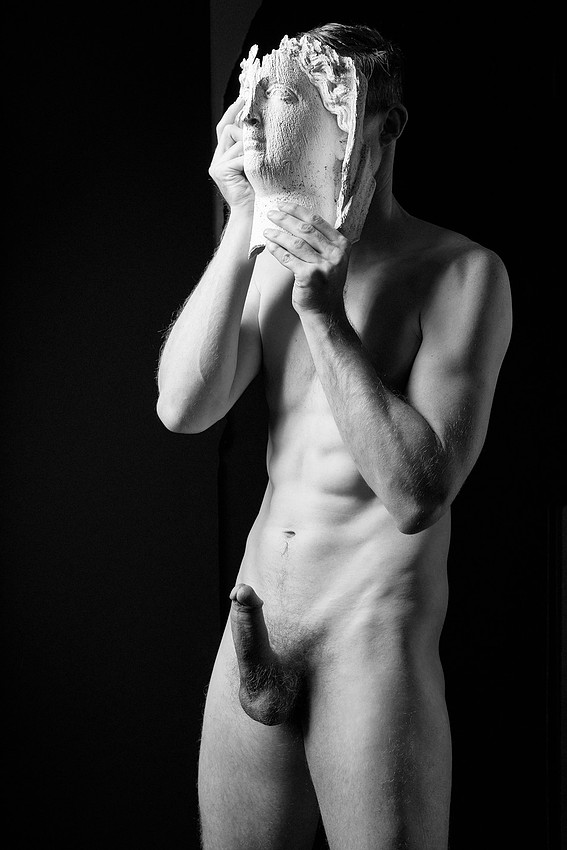
Natural Portraits Feel Honest
koitz rarely asks people to hold exaggerated poses or force expressions that don't reflect who they are. He actually very rarely tells them how to pose.
Instead, he encourages movement and genuine interaction with the environment. A thoughtful glance, a relaxed posture, or a quiet smile often reveals far more than a carefully choreographed pose ever could.
These natural portraits become timeless because they reflect real personalities instead of temporary trends.
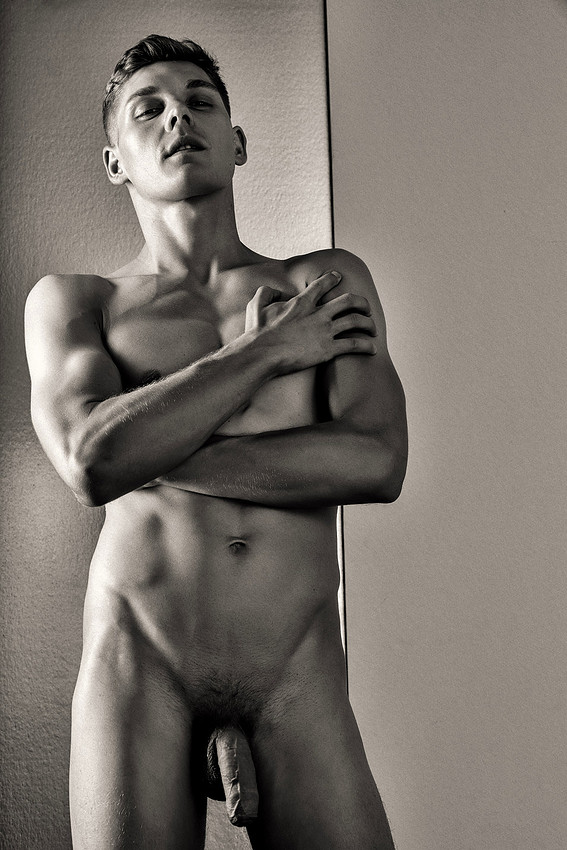
Documentary Photography Creates Space
koitz's approach to portrait photography comes from years of documentary work.
Instead of controlling every detail, he observes. He waits for authentic moments to develop naturally. This approach is especially valuable when photographing introverts because it removes the pressure to perform.
Often, the best portrait happens after someone forgets they're being photographed.
Confidence Doesn't Always Look Loud
Society often associates confidence with being outspoken or extroverted.
Photography tells a different story.
Some of the strongest portraits koitz has created feature people who express confidence quietly. Their strength appears through calm eye contact, thoughtful expressions, and relaxed body language.
Those moments don't demand attention—they invite it.

Every Personality Has a Story
Portrait photography isn't about changing people. It's about revealing what already exists.
Gay photographer in Fire Island koitz has photographed artists, performers, activists, couples, friends, and people he has met only moments before. Some were naturally outgoing, while others preferred silence.
Each person deserved the same patience, respect, and curiosity.
Every portrait became a collaboration built on trust rather than direction.
The Beauty of Quiet Moments
The world often celebrates the loudest voices, but photography reminds us that quiet moments can be just as powerful.
A thoughtful expression, a peaceful walk, or a moment of reflection can tell an entire story without a single word.
That's why photographing introverts has become one of the most rewarding parts of my work.
The camera isn't there to change who someone is.
It's there to preserve them exactly as they are.
For koitz, every portrait is an opportunity to document authenticity. Whether he is photographing someone on Fire Island, in New York City, or anywhere in the world, his goal remains the same: to create honest images that celebrate individuality, trust, and the quiet beauty that often goes unnoticed.
Sometimes, the most unforgettable portraits come from the people who say the least.