New York Queer Nightlife Photography | LGBTQ+ History After Dark

New York's Queer Nightlife as Cultural History
New York has long been a center of LGBTQ+ culture. Its queer nightlife has moved through different neighborhoods, venues, generations, and communities. Some spaces became famous, while others were temporary and disappeared without leaving much of a physical trace.
Photography provides another kind of historical record.
Photographs preserve the visual culture of these spaces: clothing, performances, bodies, gestures, decorations, music, crowds, and personalities. They also preserve something less visible—the feeling of belonging.
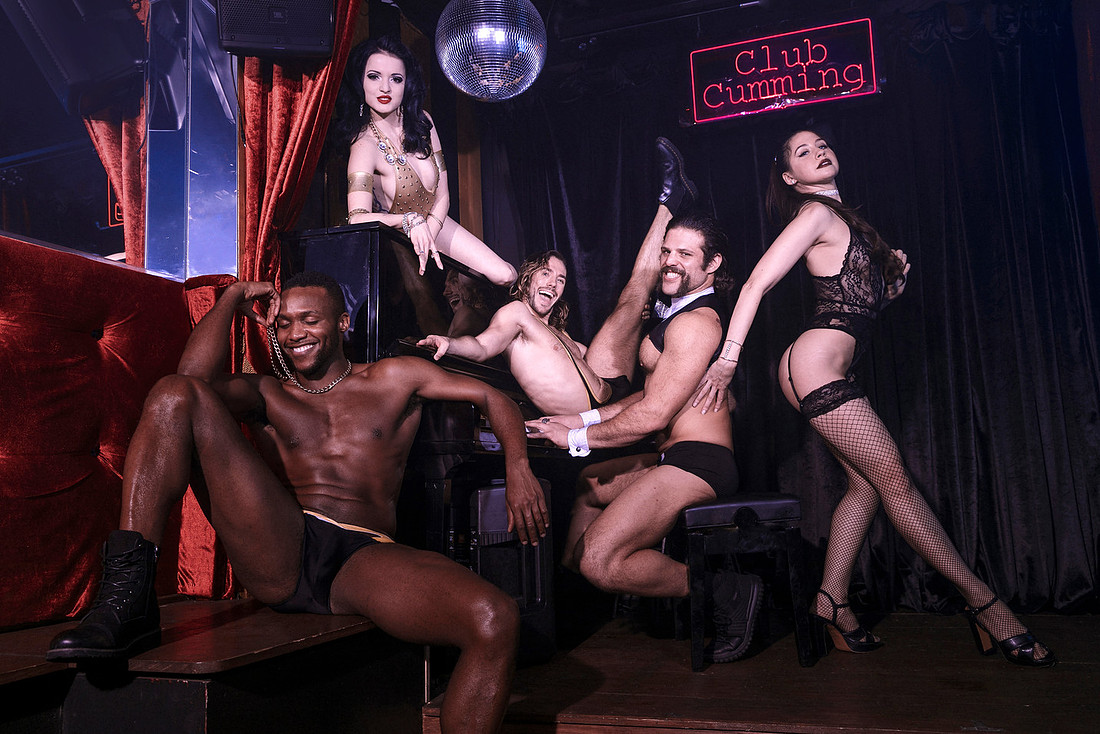

This is what makes New York queer nightlife photography more than a record of parties or entertainment. It becomes a visual history of LGBTQ+ culture and community.
Why Queer Nightlife Spaces Matter
Before considering nightlife as photography, it is important to understand why these spaces mattered.
For LGBTQ+ people, nightlife could provide an opportunity to meet others with similar experiences and find freedom from expectations encountered elsewhere in society. A club could become a place to experiment with identity. A dance floor could become a place of connection. A performance could become an act of self-definition.
A group of friends gathered at the end of the night could become a chosen family.
These experiences are difficult to preserve in written history alone. Photography makes them visible.
The Rise of Queer Photography in New York
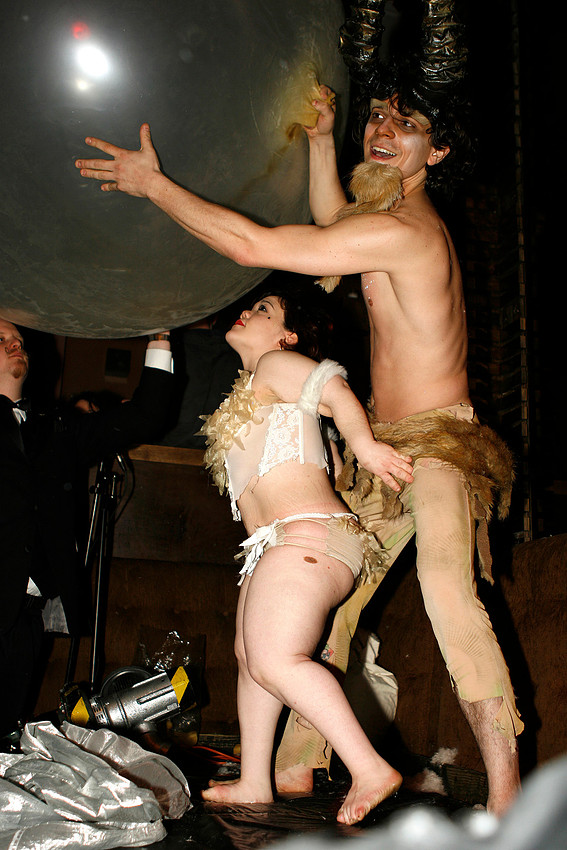
Photographers have documented LGBTQ+ life in New York for generations. From photographs of gay bars and gathering places to images of Pride, performers, artists, nightlife, relationships, and community events, photographers have created visual histories from within LGBTQ+ communities.
That first-person perspective is particularly important.
When photographers participate in the communities they document, their images can become records of lived experience rather than observations from outside. The result is often more intimate: photographs that capture not only what a place looked like, but how it felt to be there.
This tradition of LGBTQ+ photography in New York continues today.
From Underground Spaces to Contemporary Queer Nightlife
New York's queer nightlife has never remained static.
Venues close and open. Neighborhoods change. Music evolves. Fashion changes. New generations create new spaces and new forms of gathering.
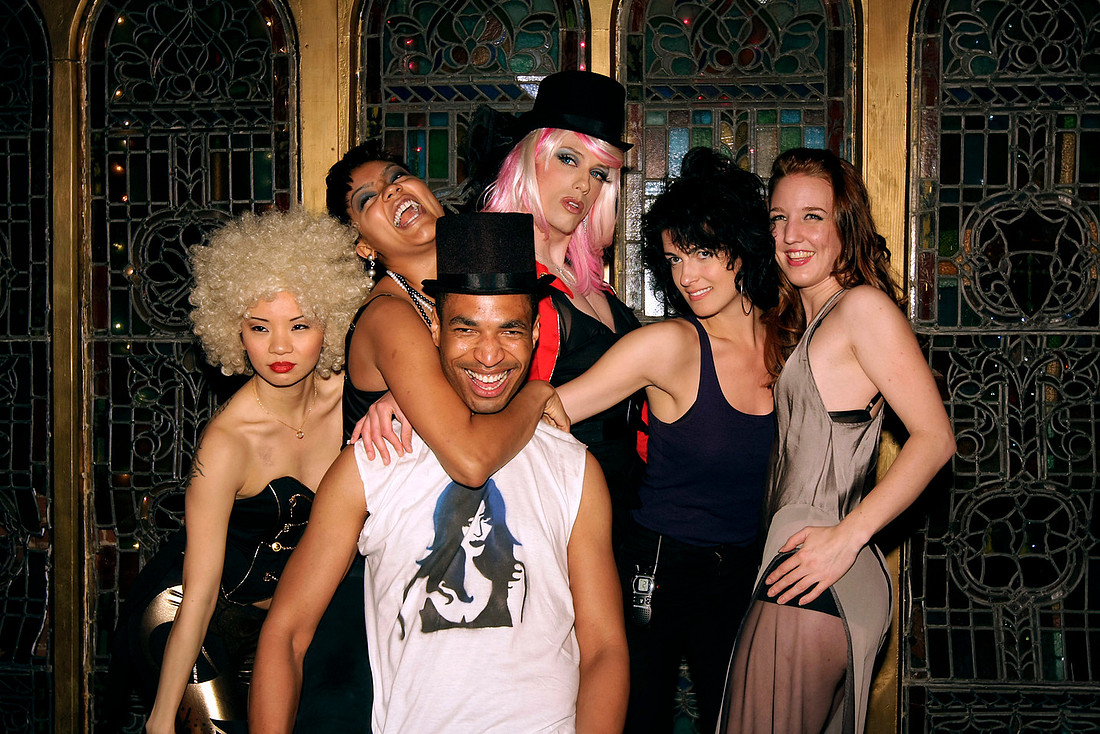
Photography allows those changes to be seen over time.
A photographic archive can reveal how performers evolve, how nightlife spaces are transformed, how styles change, and how different generations create their own forms of queer community.
The archive therefore becomes a record not simply of nightlife, but of social and cultural change.
Drag, Performance and the Art of Transformation
Drag and performance are central to the history of queer nightlife.
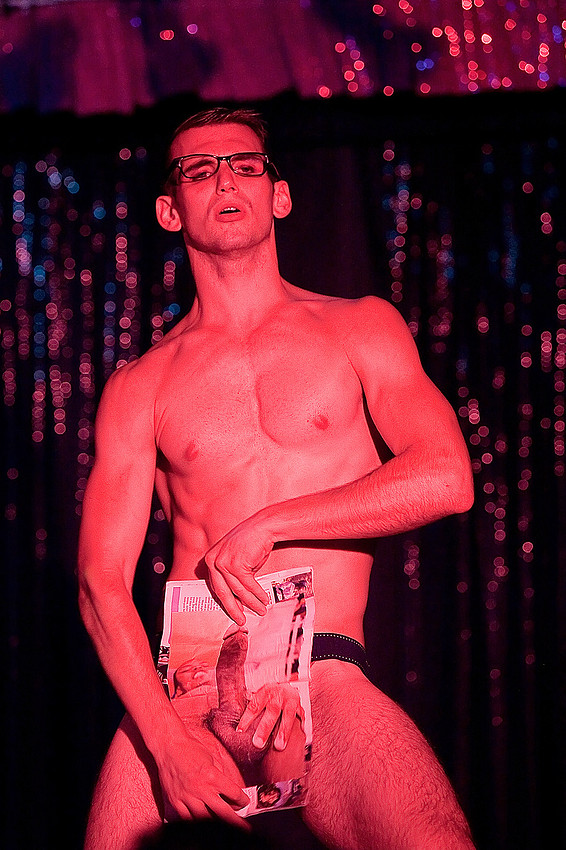
On stage, performers can transform themselves while challenging conventional ideas about gender, identity, beauty, and sexuality. For a photographer, these moments offer extraordinary visual possibilities.
But photographing performance is not simply about capturing the performer under the spotlight.
The moments before the show can be equally revealing: makeup, costumes, preparation, concentration, nervousness, friendship, and anticipation.
Backstage photographs show the person behind the character. Together, stage and backstage images create a more complete portrait of queer performance culture.
The Dance Floor as a Community Space
The dance floor is one of nightlife's most democratic spaces.
People who might never meet elsewhere can share the same music, movement, and atmosphere. For photographers, however, it is also one of the most challenging environments to document.
The light is constantly changing. People are moving. Moments disappear almost instantly.
The photographer has to anticipate rather than direct.
The strongest images often happen unexpectedly: a gesture, a glance, a laugh, an embrace, or a moment of solitude in the middle of a crowd.
These small moments can become the photographs that communicate what queer nightlife actually feels like.
Photographing Queer New York From Within
For more than three decades, koitz has documented LGBTQ+ life, including queer nightlife in New York City.
His broader photographic archive encompasses nightlife, Pride celebrations, drag performers, artists, portraits, and community events. His approach is rooted in participation rather than distance.
The photographs move between spectacle and intimacy.
A performance can be photographed alongside the people watching it. A major party can exist alongside a quiet portrait. A crowded dance floor can be followed by a photograph of two friends talking outside.
Together, these different perspectives create a richer visual record of queer New York.
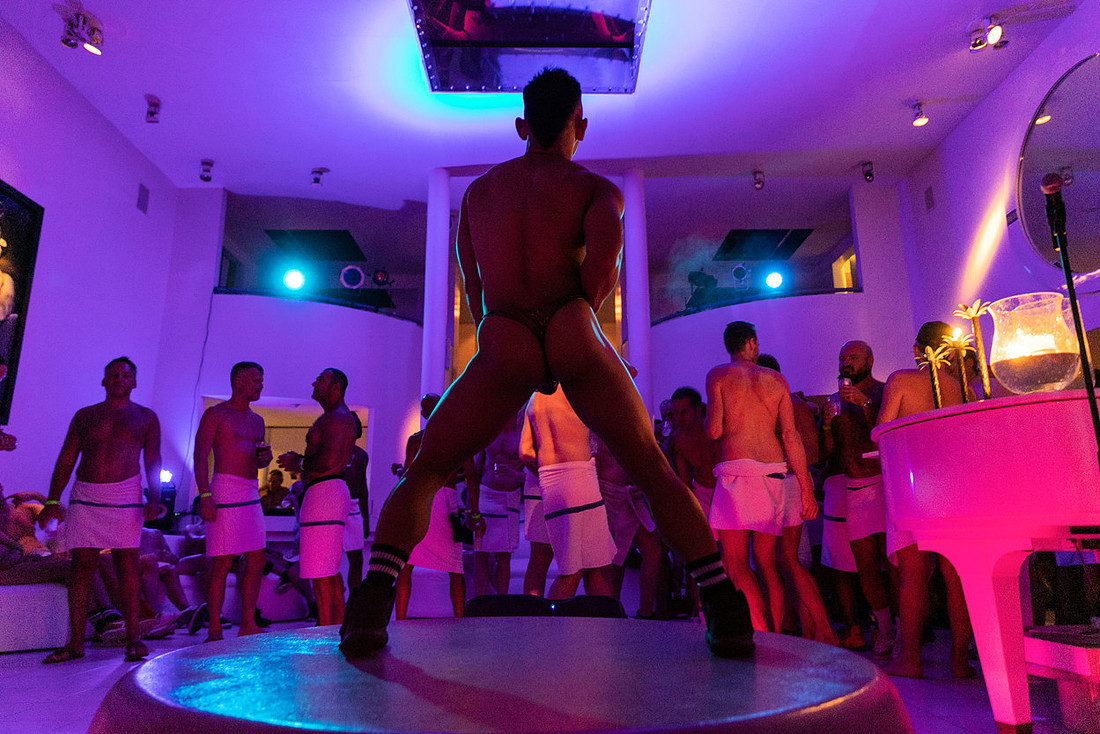
Three Decades of Queer Photography
koitz moved to New York City in 1994 and began developing his visual career there. His photographic archive now spans more than three decades of LGBTQ+ life, including New York and Fire Island.
His Fire Island work provides an important continuation of the New York story.
For two decades, he photographed Cherry Grove and Fire Island Pines, documenting parties, performances, portraits, beaches, friendships, and everyday community life. The resulting photographs became the basis for koitz Gay Fire Island, his 2020 photography book.
The connection between New York and Fire Island is significant. Many of the people, artists, performers, and communities that shape New York's queer cultural landscape also move between the city and the island.
Together, these photographs form part of a larger story about LGBTQ+ life, community, identity, and belonging.
What Happens When the Night Disappears?
Nightlife is temporary.
A club closes.
A party ends.
A performer leaves the stage.
A neighborhood changes.
A generation moves on.
Photography interrupts that disappearance.
The image remains after the music stops.
Years later, a photograph can reveal a person, venue, style, or community that no longer exists in the same form. This is why queer nightlife photography matters as historical documentation.
It preserves not only what people looked like, but how they lived, gathered, celebrated, performed, and found one another.
Photography as LGBTQ+ History
The history of LGBTQ+ communities cannot be separated from the places where those communities gathered.
Nightlife is part of that history.
Photographs of clubs, parties, Pride celebrations, drag performances, portraits, and ordinary nights provide evidence of changing identities and communities. They also challenge the idea that history is made only through major political events.
Sometimes history is a photograph of friends together.
Sometimes it is a performer stepping onto a stage.
Sometimes it is a crowded dance floor at three in the morning.
These moments matter because they document how people actually experienced their lives.
A Living Archive of Queer New York
For koitz, photography is both an artistic practice and a form of preservation.
His work documents people and places while they are alive, active, and changing. The result is an evolving visual archive of queer culture—from New York nightlife to Fire Island's LGBTQ+ communities.
The archive is not intended to suggest that queer nightlife belongs only to the past.
Quite the opposite.
These photographs show a culture that continues to evolve, while preserving the people, places, relationships, performances, and moments that might otherwise disappear.
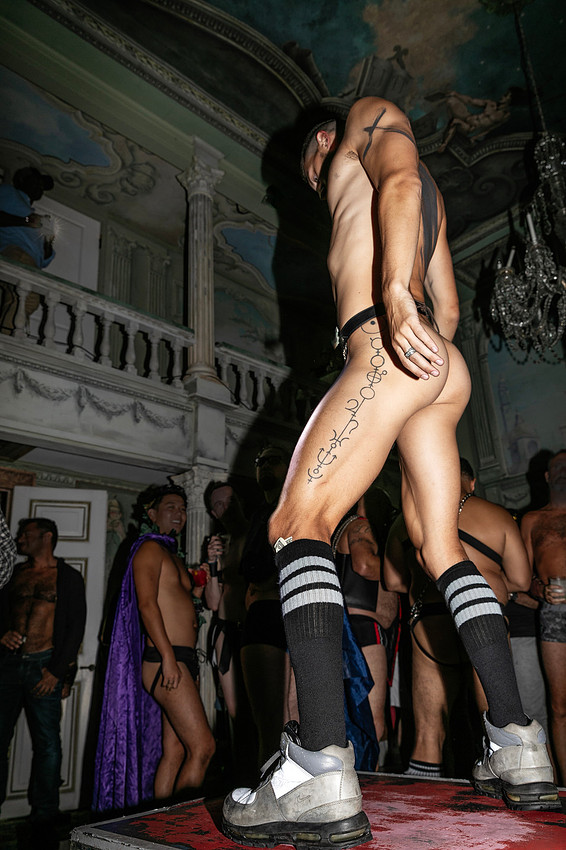
New York After Dark
The history of queer New York can be found in its nightlife.
It exists in clubs, parties, performances, friendships, music, fashion, drag, dance, intimacy, and community.
New York queer nightlife photography allows those moments to survive beyond the night itself.
For more than three decades, koitz has been photographing that world—creating a visual record of queer New York and the people who have shaped it.
The night disappears.
The photographs remain.
Explore More
- New York Queer Nightlife Photography
- Queer Nightlife Photographer
- Gay Fire Island Photographer
- koitz Gay Fire Island