Two Decades Photographing Queer Life on Fire Island
For two decades, queer Fire Island photographer koitz has photographed life in Cherry Grove and Fire Island Pines, two communities central to the history of LGBTQ+ life in America. His photographs move between public celebration and private experience: the Invasion of the Pines, Independence Day, Low Tea, beaches, ferries, house parties and intimate moments between friends. Rather than approaching Fire Island as an outsider, Koitz photographs a community of which he has long been part. The result is a visual archive of queer freedom, self-expression and belonging.
Archive Sections
Rather than approaching Fire Island as an outsider, koitz photographs a community of which he has long been a part. The resulting body of work forms a rich visual archive of queer freedom, self-expression, intimacy, and belonging—preserving both the iconic rituals and the everyday moments that define life on Fire Island.
The Invasion of the Pines
Every Fourth of July, the Invasion of the Pines transforms Fire Island into a stage where history, performance, and community converge. What began in 1976 as a playful act of resistance after a drag queen was denied service by the Fire Island Pines Yacht Club has evolved into one of the most celebrated annual rituals in queer America. The arrival of elaborately dressed drag performers by ferry from Cherry Grove is both spectacle and remembrance, affirming decades of resilience, solidarity, and unapologetic self-expression.
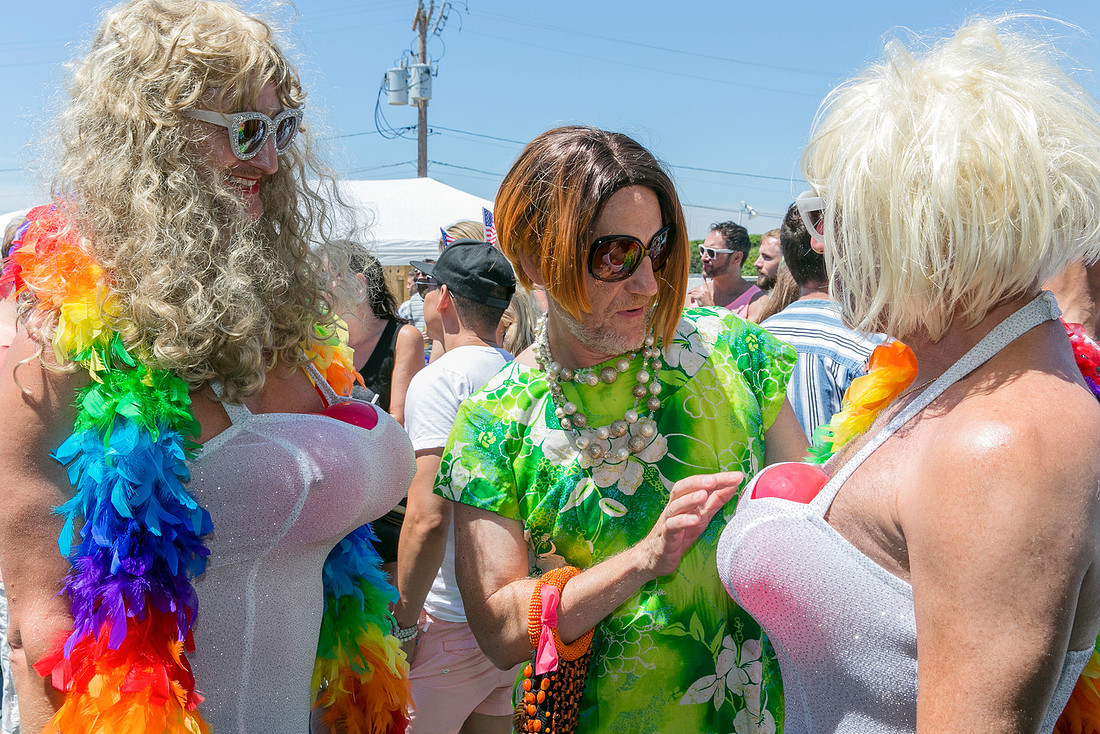

For more than twenty years, gay Fire Island photographer koitz has photographed the Invasion not simply as an annual event but as a living cultural tradition. His images move beyond the theatricality of costumes and pageantry to reveal the relationships that sustain the celebration: friends preparing together, performers waiting on the ferry, embraces on the dock, and the intergenerational audiences who gather to witness the procession. Rather than privileging spectacle alone, his photographs trace the emotional rhythms of anticipation, joy, humour, and belonging.
Working from within the community, koitz avoids the distance of the outside observer. His photographs acknowledge drag as both performance and political expression, capturing moments where identity is simultaneously celebrated and continually reinvented. The resulting archive reflects the enduring significance of the Invasion—not only as an iconic Fire Island tradition, but as an affirmation of queer visibility, chosen family, and collective memory.
Cherry Grove
Long before LGBTQ+ rights gained broader legal and social recognition, Cherry Grove emerged as one of America's first enduring queer communities. For generations, it has offered a rare space where difference could be lived openly, fostering a culture shaped by creativity, mutual support, humour, and resistance. Its modest cottages, winding boardwalks, beaches, and communal gathering places have witnessed decades of social change while preserving an atmosphere defined less by exclusivity than by openness and experimentation. Throughout its history, Cherry Grove has welcomed artists, performers, writers, and those seeking refuge from discrimination, becoming a place where chosen families could flourish and queer lives could be lived with remarkable visibility.
koitz's photographs reflect this legacy by focusing on the everyday experiences that give the community its enduring character. Rather than searching only for iconic events, he turns his attention to conversations on porches, neighbours crossing boardwalks, afternoons on the beach, shared meals, and spontaneous celebrations that unfold between friends. These seemingly ordinary moments reveal the rhythms of a place where public and private life often intersect, and where community is built through repeated acts of care, familiarity, and presence.
Photographing from within the community over more than two decades, koitz creates an intimate portrait of Cherry Grove that resists nostalgia while acknowledging its history. His work records not only a celebrated destination but a living neighbourhood whose identity continues to evolve with each new generation. Together, these photographs form an important visual archive of queer belonging, preserving both the spirit of Cherry Grove and the relationships that have sustained it as one of the most significant LGBTQ+ communities in the United States.
Fire Island Pines
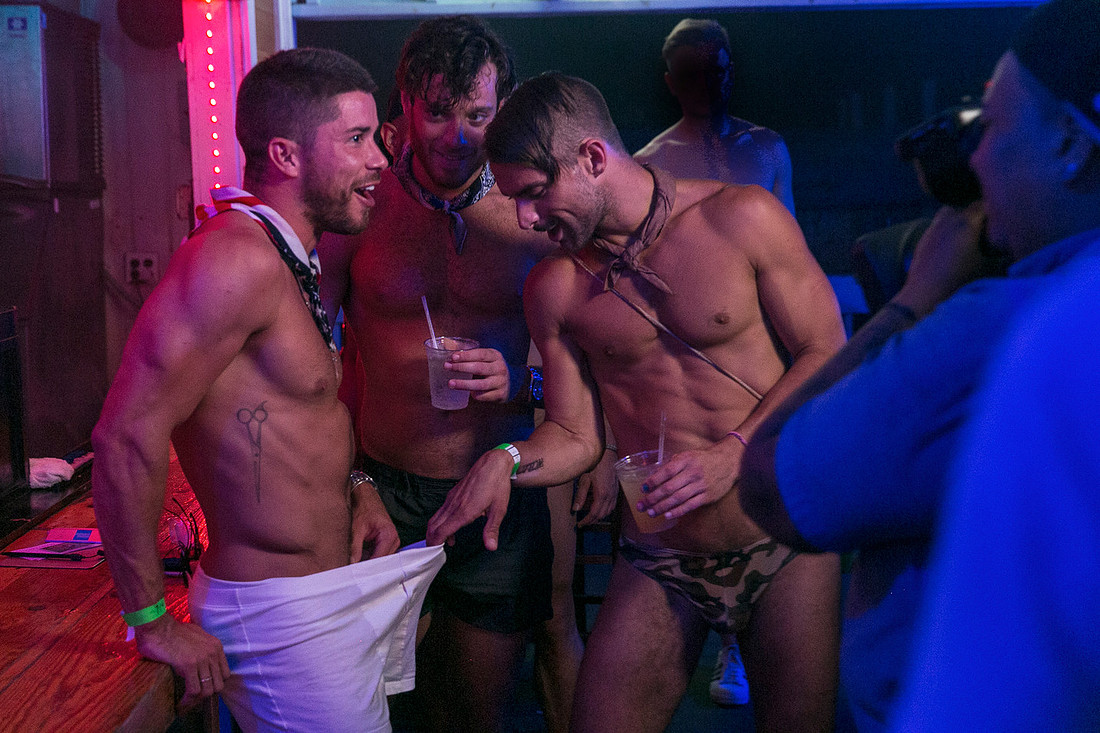
Fire Island Pines has long been one of the most iconic destinations in LGBTQ+ history, celebrated for its distinctive modernist architecture, expansive beaches, vibrant social life, and enduring role as a sanctuary for queer expression. Since the 1960s, the Pines has attracted artists, designers, performers, activists, and visitors from around the world, becoming synonymous with freedom, creativity, and community. More than a seasonal destination, Fire Island Pines represents a unique cultural landscape where identity, architecture, nature, and social connection intersect.
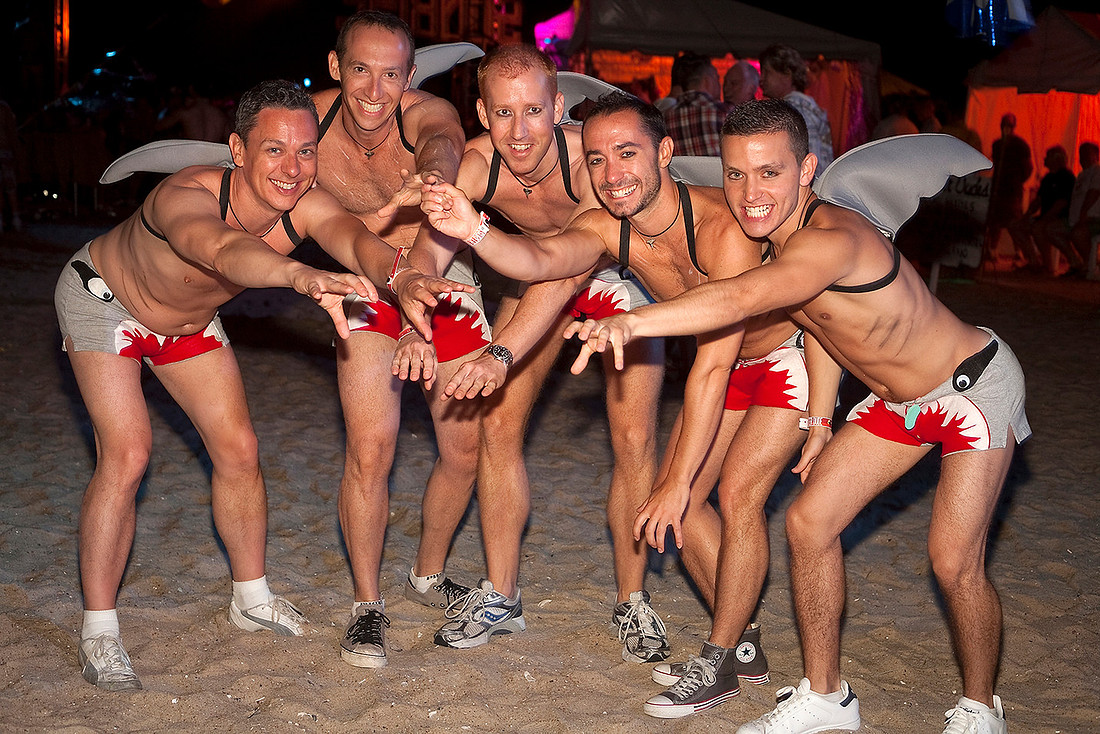
For more than two decades, koitz has documented life in Fire Island Pines with the perspective of an insider. His photographs move beyond familiar images of parties and nightlife to reveal the everyday experiences that define the community: quiet mornings on the boardwalk, afternoons on the beach, gatherings on decks, ferry arrivals, shared meals, and fleeting moments between friends. His work captures both the energy of public celebrations and the intimacy of private life, offering a nuanced portrait of one of America's most significant queer communities.

Rather than romanticising the Pines, koitz records its continual evolution. His photographs acknowledge the changing generations, relationships, and traditions that shape the community while preserving the spirit that has made Fire Island Pines an internationally recognised symbol of LGBTQ+ culture. Together, these images form an important visual archive of queer history, documenting not only a celebrated destination but the people whose lives, friendships, and chosen families continue to define it. Through Koitz's lens, Fire Island Pines emerges as both a place and a living community—one whose legacy remains central to the story of queer America.
The Ferry
The ferry is the gateway to Fire Island, carrying residents, seasonal visitors, and day-trippers across the Great South Bay to Cherry Grove and Fire Island Pines. More than a mode of transportation, it is a shared social space where journeys begin and end, friendships are renewed, and anticipation gives way to arrival. For generations, the ferry has been woven into the rhythms of life on Fire Island, connecting two of America's most historically significant LGBTQ+ communities while symbolising the transition from mainland routines to a place defined by freedom, self-expression, and belonging.
Throughout more than twenty years of photographing Fire Island, koitz has returned repeatedly to the ferry as both subject and setting. His images capture the quiet rituals that unfold on deck: conversations between friends, first-time visitors taking in the shoreline, performers travelling to the Invasion of the Pines, couples embracing at sunset, and solitary moments of reflection during the crossing. These photographs reveal the ferry not simply as a passage between destinations, but as a space where identities, relationships, and expectations converge.
koitz's documentary approach transforms these everyday crossings into an essential part of Fire Island's visual history. His photographs highlight the movement of people, traditions, and communities, demonstrating how the ferry has long connected the social and cultural life of Cherry Grove and Fire Island Pines. Together, the images form a compelling archive of journeys both literal and symbolic, illustrating that the experience of Fire Island begins long before the boardwalks and beaches come into view.
Queer Nightlife
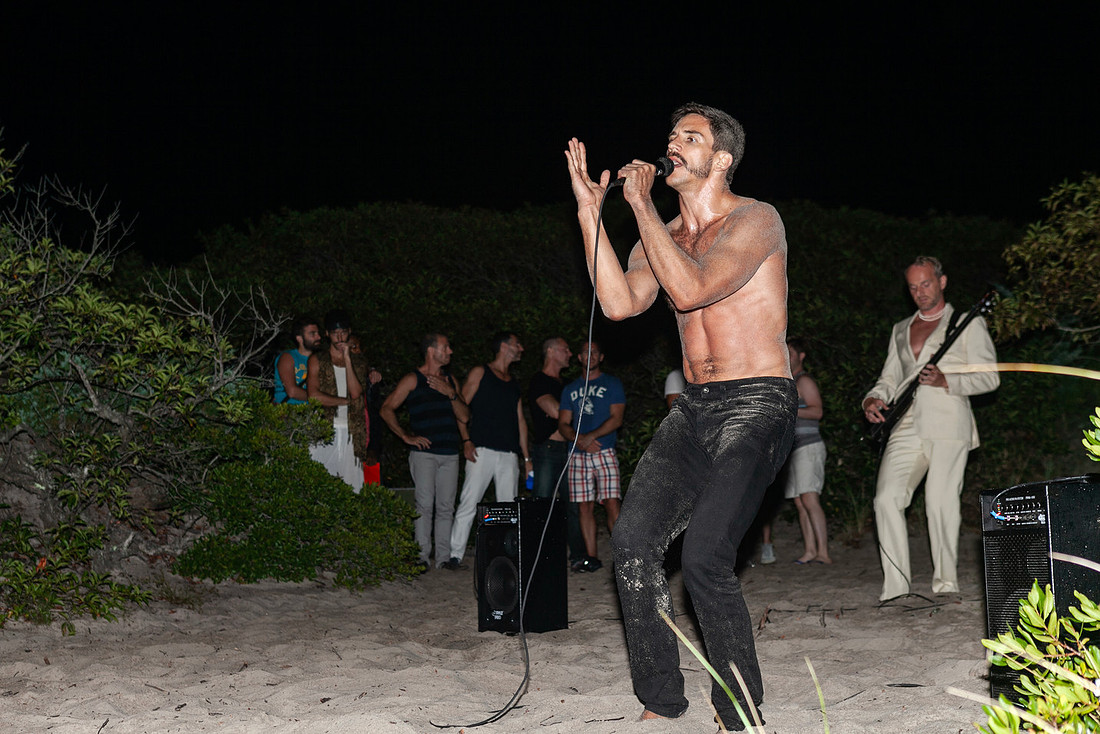
As daylight fades, Fire Island transforms into one of the most celebrated settings for queer nightlife in the United States. From intimate cocktail gatherings and house parties to legendary dance floors, drag shows, and late-night celebrations, evenings in Cherry Grove and Fire Island Pines have long provided spaces where LGBTQ+ people can gather, perform, connect, and celebrate without apology. For decades, this nightlife has played a vital role in the cultural identity of Fire Island, fostering creativity, chosen family, and a sense of collective freedom that extends well beyond the summer season.
For more than twenty years, koitz has documented the energy and atmosphere of Fire Island after dark. His photographs move beyond spectacle to capture the human relationships that give nightlife its meaning: friends reunited on dance floors, conversations on moonlit decks, quiet moments between celebrations, and fleeting encounters that become lasting memories. Working with available light and an instinct for observation, he records both the exhilaration of crowded parties and the intimacy that exists within them.
Rather than portraying nightlife as escapism alone, koitz's work reveals it as an essential expression of queer community and culture. His photographs demonstrate how music, performance, dance, and social gathering create spaces of visibility, affirmation, and belonging. Together, these images form an important visual archive of LGBTQ+ life on Fire Island, preserving the traditions, relationships, and shared experiences that have made its nightlife an enduring part of queer history and one of the defining aspects of the Fire Island experience.
Private Moments
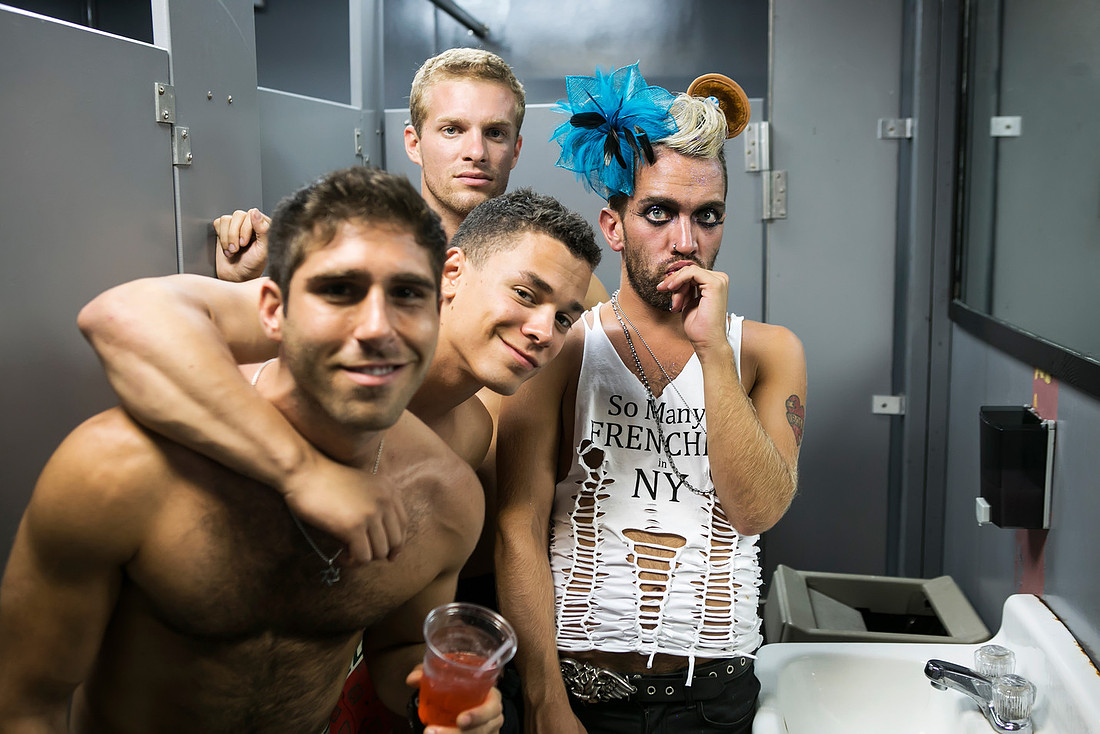
Beyond Fire Island's celebrated beaches, parties, and public events lies a quieter world of everyday intimacy. Private Moments explores the relationships, gestures, and encounters that unfold away from the crowds, revealing the emotional depth of life in Cherry Grove and Fire Island Pines. These photographs celebrate friendship, love, vulnerability, and chosen family, offering a more personal perspective on one of America's most significant LGBTQ+ communities. Together, they remind us that the history of Fire Island is shaped as much by quiet connections as by its iconic public celebrations.
For more than two decades, koitz has photographed these intimate experiences with trust and sensitivity, documenting a community of which he has long been a part. His images capture conversations on secluded decks, moments of reflection after a party, couples at home, friends embracing, and the unguarded expressions that emerge when the camera becomes part of the environment rather than an interruption. The resulting photographs are marked by closeness and authenticity, reflecting the confidence that develops through years of shared experience.
koitz's work challenges conventional documentary photography by recognising that queer history is often written through personal relationships as much as public activism. His photographs preserve moments that might otherwise remain unseen, creating a visual archive of affection, companionship, and everyday life on Fire Island. In doing so, Private Moments reveals that the enduring legacy of Cherry Grove and Fire Island Pines is found not only in their landmarks and traditions, but in the lives, friendships, and chosen families that continue to define these extraordinary communities.
Beach and Landscape
The beaches, dunes, and maritime landscapes of Fire Island have shaped the identity of Cherry Grove and Fire Island Pines for generations. More than a picturesque backdrop, this protected barrier island has long provided a place where LGBTQ+ people could experience freedom, community, and connection with nature. Its expansive shoreline, shifting dunes, weathered boardwalks, and changing light have become inseparable from the history of queer life on Fire Island, offering spaces for solitude, social gathering, and self-expression.
For more than two decades, koitz has photographed the beaches and landscapes of Fire Island as an integral part of his documentary practice. His photographs move seamlessly between sweeping coastal vistas and intimate observations of people inhabiting the landscape, revealing how place and community are deeply connected. Whether documenting sunrise over the Atlantic, afternoons on the beach, quiet walks through the dunes, or the distinctive architecture that emerges from the landscape, Koitz captures the atmosphere that makes Fire Island unlike anywhere else.
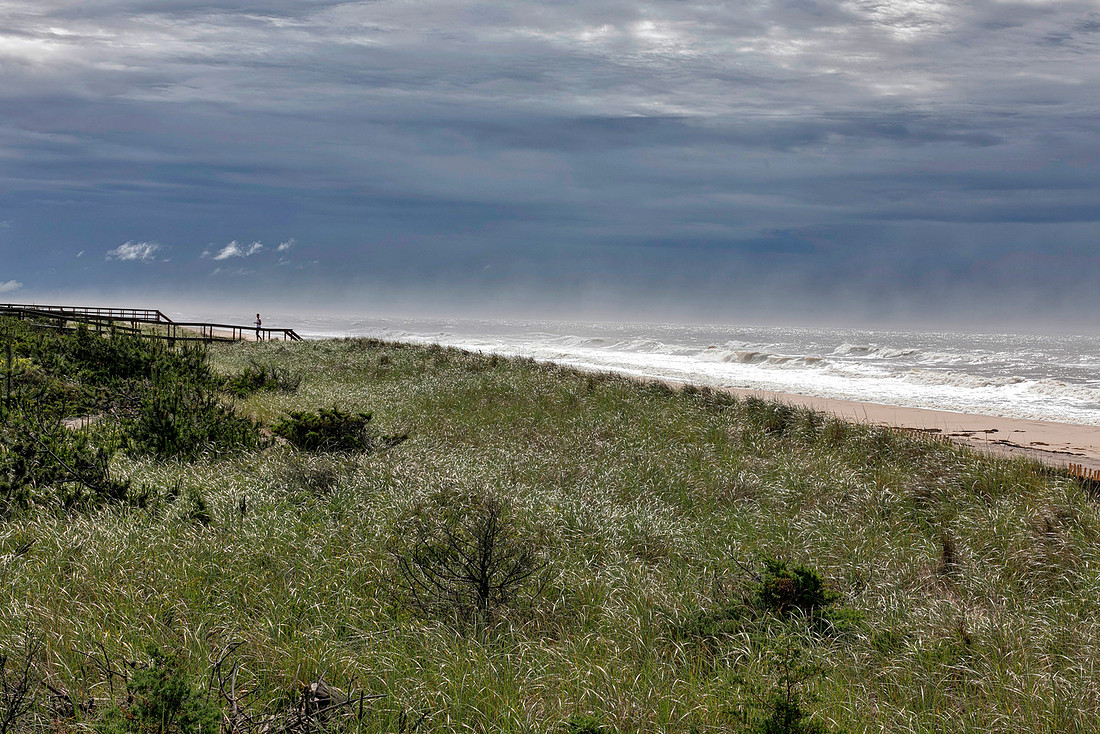
Rather than treating landscape as scenery alone, koitz's work explores the relationship between environment and identity. His photographs show how the natural beauty of Fire Island has provided a setting for friendship, celebration, reflection, and belonging within LGBTQ+ culture. Together, these images create a lasting visual archive of Fire Island's beaches and landscapes, preserving both their ecological character and their cultural significance. Through Koitz's lens, the shoreline becomes more than a destination—it becomes an enduring symbol of queer history, documentary photography, and the communities that continue to shape the legacy of Cherry Grove and Fire Island Pines.
Drag and Performance
Drag has been at the heart of Fire Island's cultural identity for generations, shaping the creative spirit of Cherry Grove and Fire Island Pines through performance, humour, and fearless self-expression. From legendary cabaret shows and theatrical productions to the internationally celebrated Invasion of the Pines, drag on Fire Island is both entertainment and cultural history. It is a living art form that challenges convention, celebrates individuality, and reflects the resilience and creativity of LGBTQ+ communities.
For more than two decades, koitz has photographed drag performers and queer performance as an integral part of his ongoing documentary project on Fire Island. His images capture not only the spectacle of elaborate costumes, makeup, and stage presence, but also the quieter moments before and after the performance—performers preparing backstage, conversations between friends, spontaneous acts of improvisation, and the shared anticipation of an audience. Working from within the community, koitz reveals the humanity behind the performance, documenting the relationships and traditions that sustain this vibrant culture.
koitz's photographs recognise drag as both artistic practice and social history. His work preserves the performances, personalities, and rituals that have helped define Fire Island as one of the most significant destinations in LGBTQ+ culture. Together, these images form an important visual archive of queer performance, celebrating the enduring influence of drag on Fire Island while documenting its role in shaping community, visibility, and belonging. Through Koitz's lens, drag becomes more than performance—it is a powerful expression of identity, creativity, and queer freedom that continues to inspire new generations.
The Meat Rack
The Meat Rack is one of Fire Island's most storied and misunderstood landscapes. Located within the maritime forest between Cherry Grove and Fire Island Pines, the winding trails have long occupied a unique place in the history of queer life. For decades, this secluded stretch of woodland has been associated with anonymity, desire, freedom, and exploration, reflecting a time when LGBTQ+ people often sought spaces beyond the reach of public scrutiny. Today, the Meat Rack remains an enduring symbol of Fire Island's cultural history, where landscape, memory, and queer identity intersect.
For more than two decades, koitz has photographed the Meat Rack with sensitivity and restraint, approaching it not as a site of sensationalism but as an essential part of Fire Island's social and cultural landscape. His photographs explore the filtered light beneath the canopy, the shifting paths through the dunes, and the quiet atmosphere that defines the forest, alongside the fleeting encounters and human presence that have shaped its mythology. Rather than documenting only what takes place there, koitz records the environment itself, allowing the landscape to speak to themes of intimacy, vulnerability, and personal freedom.
koitz's work situates the Meat Rack within the broader history of Fire Island, acknowledging its significance as a place where generations of queer people found connection, privacy, and possibility. Together, these photographs create a thoughtful visual archive that expands the conversation beyond stereotype, revealing the Meat Rack as both a physical landscape and a powerful symbol within the history of LGBTQ+ culture, queer photography, and the lived experience of Cherry Grove and Fire Island Pines.